
What Skills Do Mazes Improve?
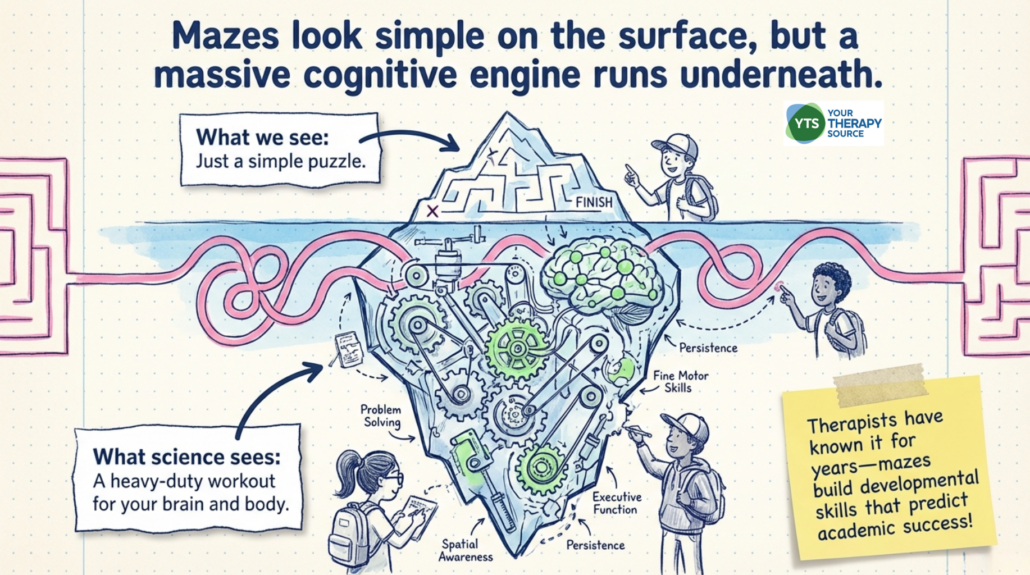
Mazes have been a go-to activity for therapists, teachers, and parents for generations. They look simple, but a lot is happening under the surface when a child picks up a pencil and starts navigating a path. Research supports what occupational therapists have long known: completing mazes on paper builds a wide range of developmental skills. Here is a closer look at the science of mazes, what skills do mazes improve, and why that matters for children.
Fine Motor Skills
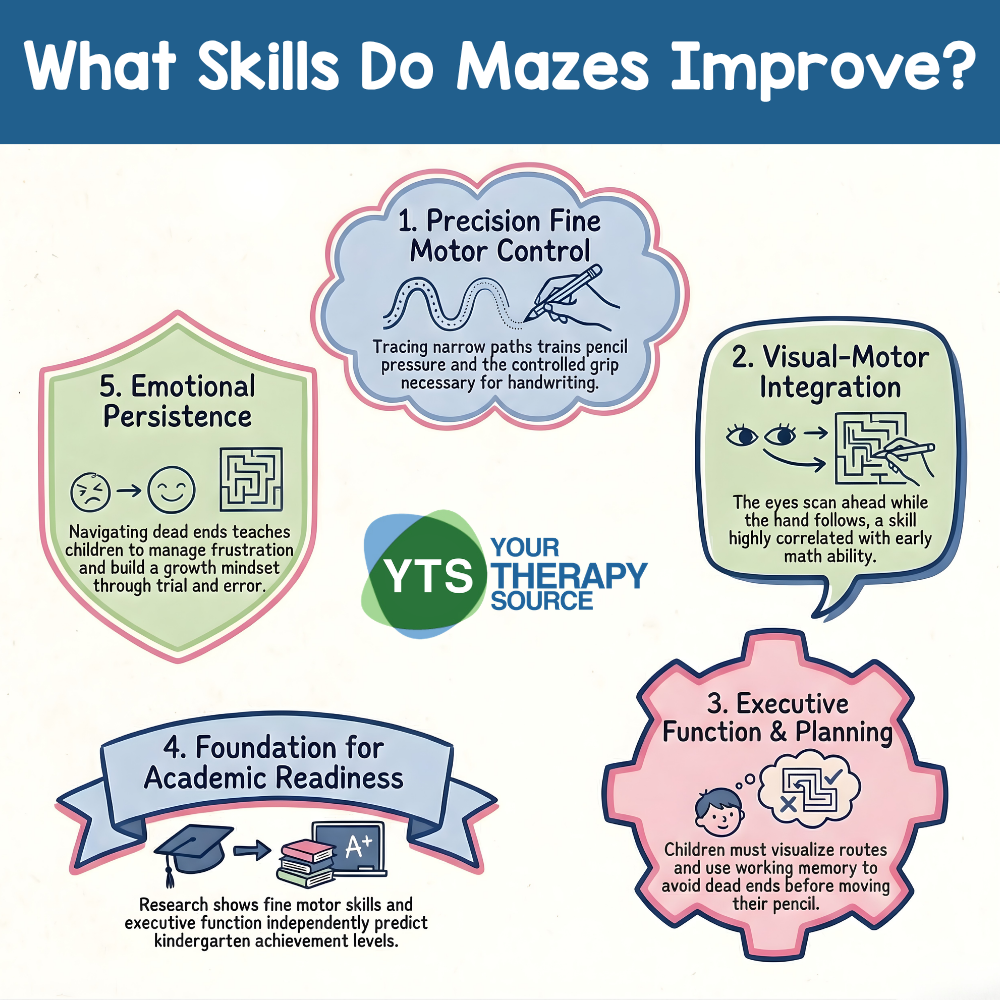
Guiding a pencil through a maze without touching the walls requires precise, controlled hand movements. This kind of practice directly supports fine motor development. Maze tracing is one of the most widely used tasks in fine motor assessment and intervention, appearing in standardized tools like the Movement Assessment Battery for Children (MABC-2).
- Children must regulate pencil pressure, speed, and direction throughout the activity
- Staying within the maze borders requires the same controlled grip used in handwriting
- A meta-analysis published in Frontiers in Sports and Active Living (Li et al., 2025) found that fine motor skills, particularly visual-motor integration, have a medium-to-strong positive correlation with academic achievement in mathematics and reading
- Research published in Child Development (Cameron et al., 2012) found that fine motor skills and executive function independently contribute to kindergarten academic achievement, highlighting the importance of activities that build both simultaneously
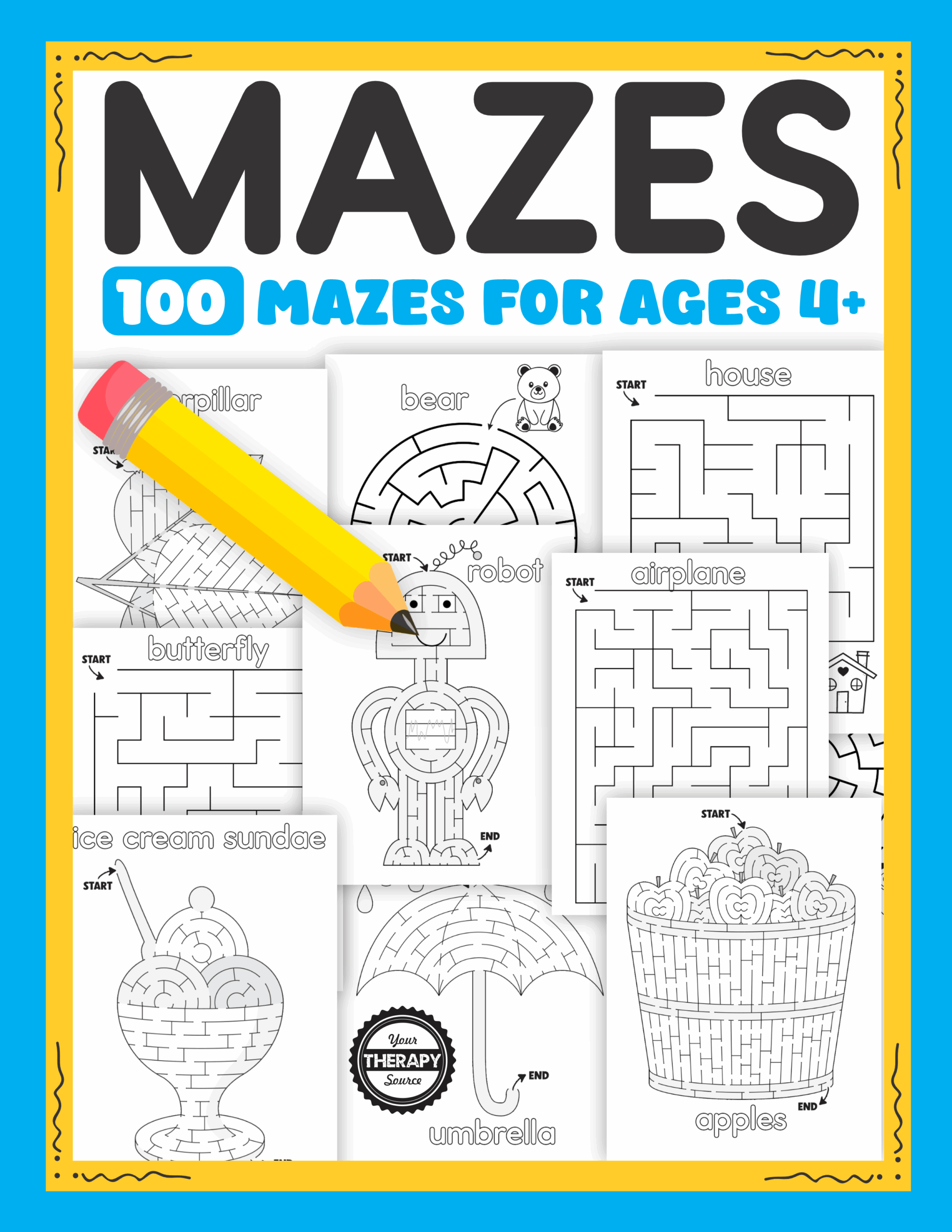
You can grade the challenge by starting with wide-path, simple mazes before progressing to narrower, more complex designs. For a variety of difficulty levels, these printable mazes for kids offer plenty of options to grow with a child’s developing skills.
Watch the Video on What Skills Do Mazes Improve?
Visual Motor Integration and Eye-Hand Coordination
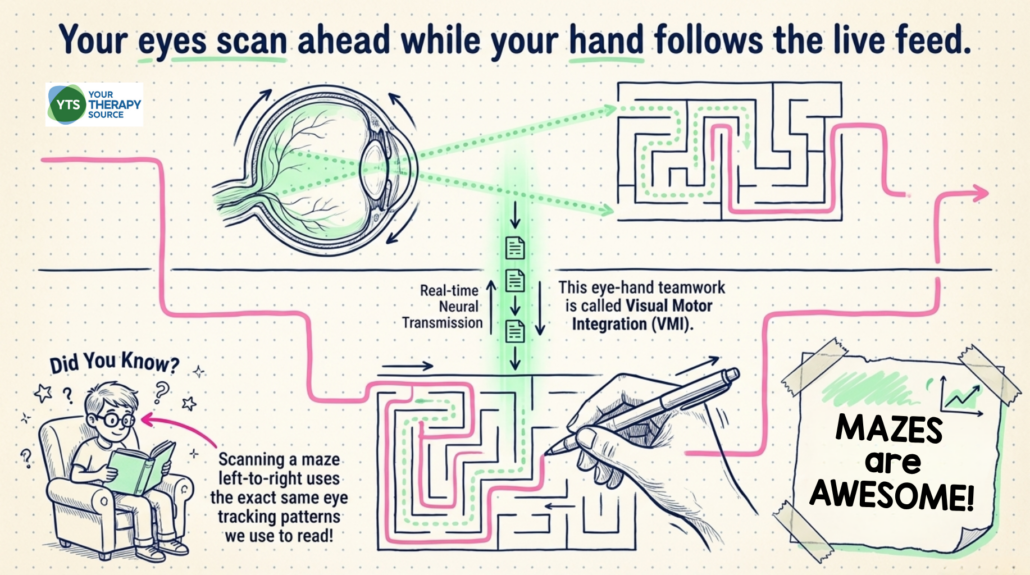
Completing a paper maze is fundamentally a visual motor task. The eyes must scan ahead to identify a clear path while the hand follows in real time. This coordination between what the eyes see and what the hand does is called visual motor integration (VMI).
- Children must continuously look ahead and adjust their pencil movement based on what they see
- Scanning a maze from left to right mirrors the eye movement patterns used in reading
- A meta-analysis in Frontiers in Sports and Active Living (Li et al., 2025) reported that visual-motor integration shows the strongest correlation of any fine motor subskill with early mathematical ability (r = 0.47)
- Research cited in Child Development (Cameron et al., 2012) identified visual-spatial integration as one of the key contributors to how fine motor skills predict academic outcomes
Mazes with varying shapes and formats add an extra visual perceptual challenge. The shape maze and letter maze free printables are excellent for layering visual discrimination skills on top of motor practice.
Executive Functioning
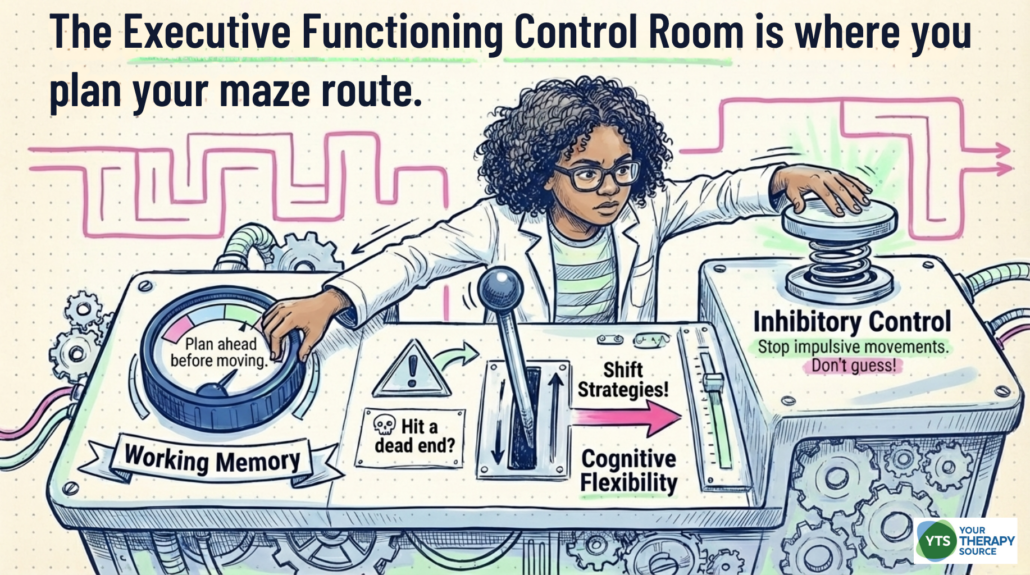
Executive functioning refers to a set of higher-order cognitive skills including planning, working memory, cognitive flexibility, and inhibitory control. Mazes engage all of these simultaneously.
- Before putting pencil to paper, children must visually plan a route, which activates working memory and planning skills
- When a path leads to a dead end, children must shift strategies, building cognitive flexibility
- Inhibiting impulsive movements requires inhibitory control, one of the core components of executive function
- A 2025 study published in Brain Disorders examined daily pen-and-paper maze solving in children with epilepsy over one month. Results showed a positive impact on executive function measures including the Children’s Color Trail Test, which assesses psychomotor speed, working memory, and sustained attention. The authors noted maze solving is a non-verbal, accessible, and low-cost intervention suitable for home use
- Research published in Child Development (Cameron et al., 2012) confirmed that executive function and fine motor skills both independently predict kindergarten achievement, suggesting that maze activities may support academic readiness on multiple fronts
The dinosaur maze printable is a fun way to engage children who need extra motivation to work through the planning and problem-solving process.
Attention and Concentration
Mazes require sustained, focused attention from start to finish. A child cannot complete a maze on autopilot. Every decision point demands full concentration, which makes mazes a natural tool for building attentional capacity.
- Children must maintain focus on the task goal while filtering out distractions
- Longer and more complex mazes build sustained attention over progressively longer periods
- The 2025 Brain Disorders study found that consistent daily maze engagement showed positive trends on coding tests and color trail tests that measure both selective and sustained attention
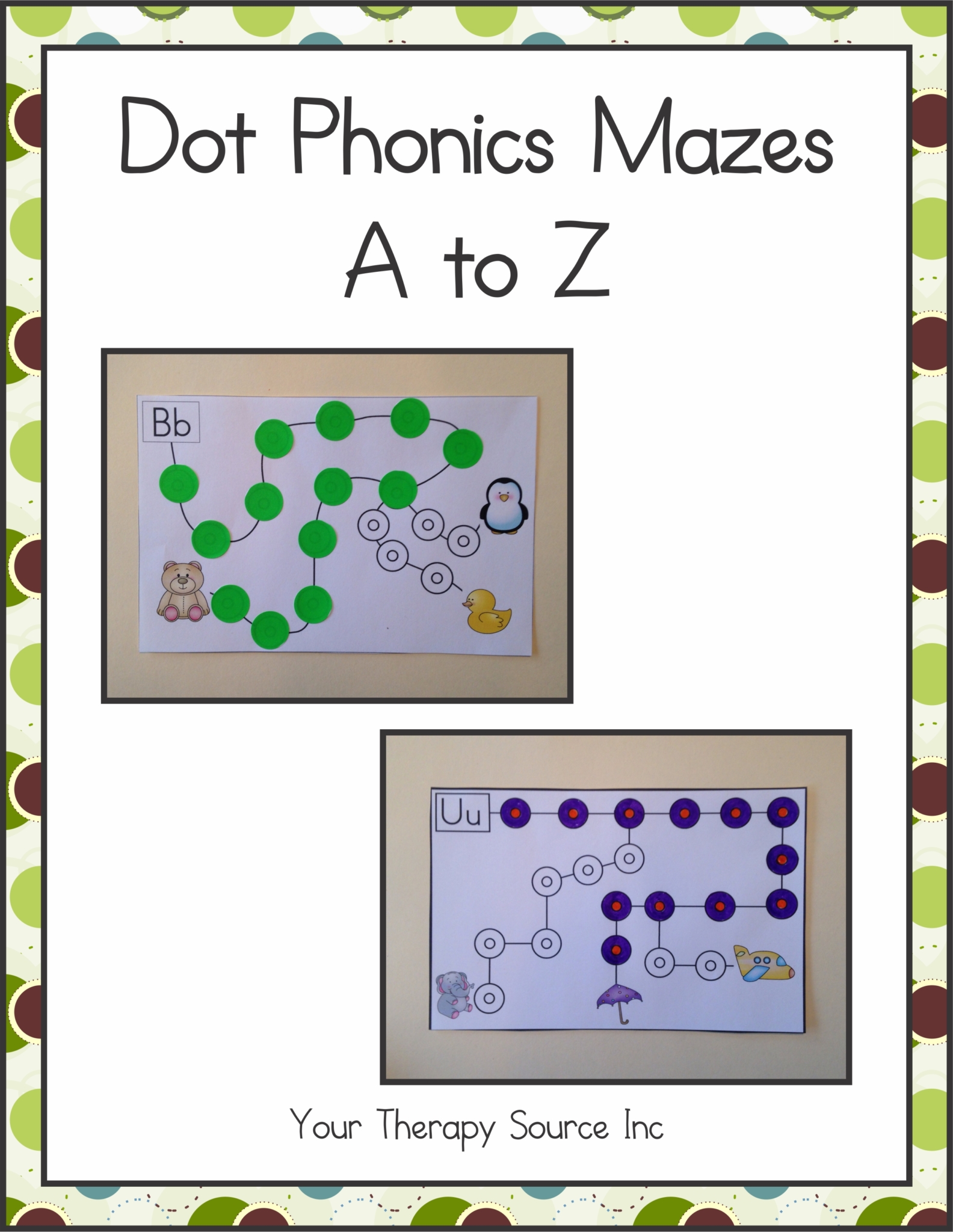
For children who also need to work on phonological awareness, the dot phonics maze combines letter-sound tasks with maze navigation, supporting attention and literacy skills in a single activity.
Spatial Awareness and Reasoning
Navigating through a maze is a spatial problem-solving task. Children must mentally map the layout of pathways, understand directionality, and predict where a route will lead based on visual information.
- Children build an internal representation of the maze as they work through it, strengthening spatial memory
- Anticipating dead ends and estimating route length require mental rotation and spatial prediction
- Research consistently identifies spatial reasoning as a foundational skill for mathematics, science, and engineering
- A meta-analysis in Frontiers in Sports and Active Living (Li et al., 2025) highlighted the strong relationship between visual-motor integration and early mathematical development, with VMI serving as a key predictive factor for math performance from preschool through elementary school
Persistence, Patience, and Emotional Regulation
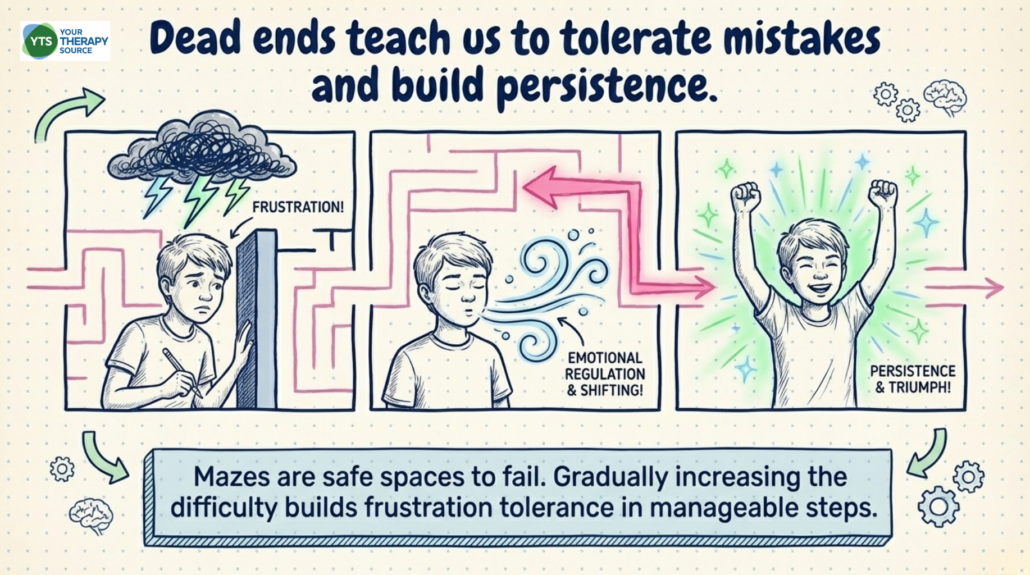
Hitting a dead end is frustrating. Working through that frustration, backtracking, and trying a new route is a meaningful emotional regulation experience embedded right into the activity.
- Mazes teach children to tolerate mistakes without giving up
- Trying multiple strategies before finding the right path builds persistence and a growth mindset
- Successfully completing a maze provides a concrete sense of accomplishment that can boost confidence and self-efficacy
- Gradually increasing maze difficulty allows children to build frustration tolerance in manageable steps
Gross Motor Skills and Postural Control
Most people think of mazes as a fine motor activity, but they can also support gross motor development with simple adaptations.
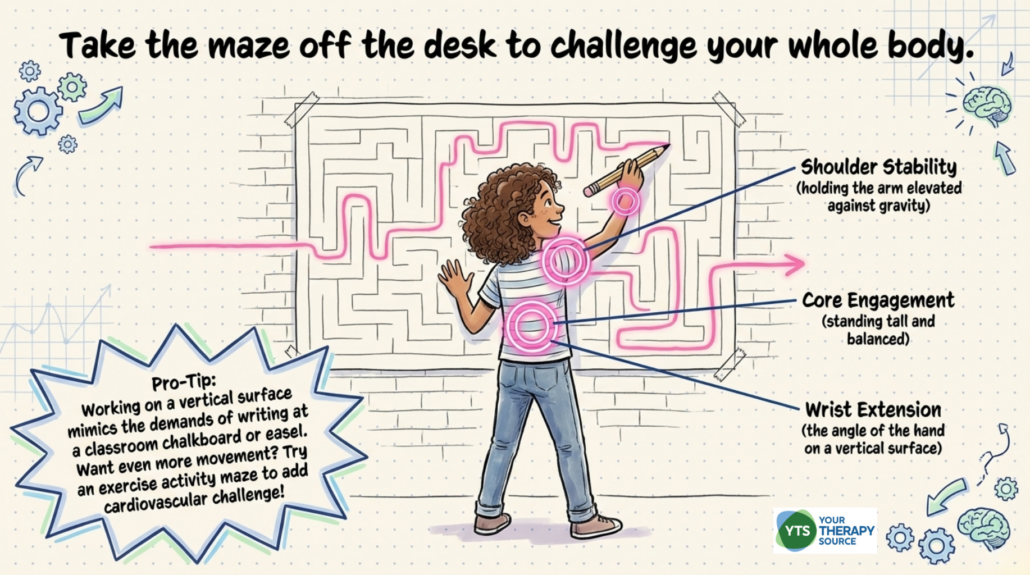
- Taping a maze to a wall at eye level promotes shoulder stability, wrist extension, and core engagement
- Working on a vertical surface mimics the demands of writing at a chalkboard or easel
- Physical maze activities that require children to move their whole bodies through a space add motor planning, coordination, and cardiovascular challenge
The exercise activity maze takes this concept to a whole new level, combining movement with the problem-solving demands of a traditional maze.
Literacy and Academic Readiness
Mazes are not limited to motor and cognitive benefits. When academic content is embedded into the maze design, they become powerful literacy and numeracy tools as well.
- Left-to-right scanning during maze completion directly reinforces the eye movement patterns used in reading
- Letter, shape, and phonics mazes build academic knowledge alongside motor skills
- Research shows that fine motor skills, particularly visual-motor integration, are strong predictors of reading and math performance in early childhood (Cameron et al., 2012; Li et al., 2025)
The dot phonics maze is a great example of how maze activities can address multiple developmental goals at once.
How to Use Mazes Therapeutically
If you are using mazes in a therapy or classroom setting, here are a few practical strategies:
- Grade the activity progressively: Have the child trace with a finger first, then a pencil, then a marker. Running through the same maze three times this way reinforces skill development across passes
- Use vertical surfaces: Tape the maze to a wall to promote wrist extension and shoulder stability alongside fine motor goals
- Start simple: Begin with wide, open paths to build confidence before introducing narrow, complex mazes
- Embed academic content: Use themed mazes with letters, shapes, or phonics patterns to address multiple goals simultaneously
- Observe the process: How a child approaches a maze, whether they plan ahead, work backward, or push forward impulsively, provides valuable insight into executive functioning and problem-solving style
The Bottom Line
Mazes are a remarkably efficient activity. In a single worksheet, children can practice fine motor control, visual motor integration, executive functioning, sustained attention, spatial reasoning, and emotional regulation. Peer-reviewed research supports their value not just as a classroom time-filler but as a meaningful therapeutic and educational tool.
Ready to get started? Explore all of Your Therapy Source’s printable mazes for kids and find the perfect match for your child or student today.
References
Cameron, C. E., Brock, L. L., Murrah, W. M., Bell, L. H., Worzalla, S. L., Grissmer, D., & Morrison, F. J. (2012). Fine motor skills and executive function both contribute to kindergarten achievement. Child Development, 83(4), 1229-1244. https://doi.org/10.1111/j.1467-8624.2012.01768.x
Li, Y., Wu, X., Ye, D., Zuo, J., & Liu, L. (2025). Research progress on the relationship between fine motor skills and academic ability in children: a systematic review and meta-analysis. Frontiers in Sports and Active Living, 6, 1386967. https://doi.org/10.3389/fspor.2024.1386967
Kumar, C. M., Kaur, G., Kapoor, A., Jain, M., & Ghorui, A. (2025). Effect of maze solving on attention in children with epilepsy: A pre-post research. Brain Disorders. https://doi.org/10.1016/j.dscb.2025.100185
