
Neurodevelopmental Disorders And Academic Performance
Understanding how neurodevelopmental disorders and academic performance are related is important for educators and therapists supporting student participation across school settings. Students often present with a range of developmental characteristics that influence learning, classroom engagement, and access to instruction. Research that examines multiple neurodevelopmental conditions together provides valuable insight into how these factors interact within real-world school environments.
WHAT THE RESEARCH EXAMINED
The research examined associations between neurodevelopmental disorders and academic performance in a large school-based sample of children and adolescents in Spain. The final sample included 9,018 students between the ages of 5 and 17 who attended general education schools.
Six neurodevelopmental disorder categories were examined: intellectual disabilities, communication disorders, autism spectrum disorder, attention-deficit hyperactivity disorder, specific learning disorder, and motor disorders. Parents and teachers completed standardized screening tools, and students who screened positive completed in-school diagnostic assessments conducted by trained professionals using DSM criteria.
Academic performance data were obtained from school records and included grades in first language, foreign language, mathematics, arts, and physical education. Analyses accounted for sociodemographic variables, school-related factors, and the presence of co-occurring neurodevelopmental conditions.

KEY FINDINGS FROM THE RESEARCH
When examined individually, all neurodevelopmental disorder categories were associated with lower academic performance across subjects. However, when co-occurring conditions were included in the analyses, clearer distinctions emerged:
- Intellectual disabilities showed the strongest and most consistent association with lower academic performance across all subject areas.
- Attention-deficit hyperactivity disorder, specific learning disorder, and communication disorders remained independently associated with lower performance across academic domains, even after controlling for other conditions.
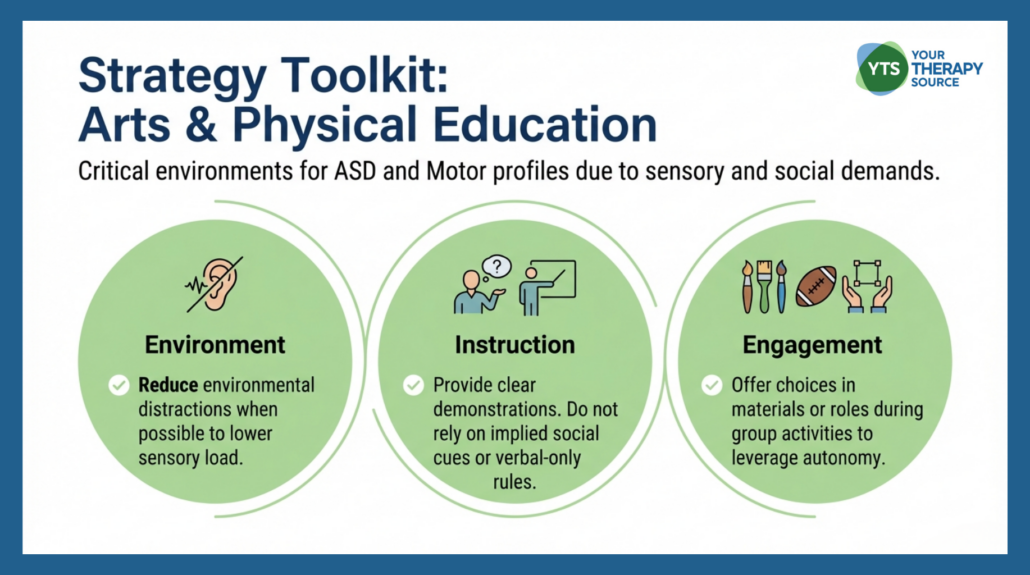
- Autism spectrum disorder and motor disorders were no longer associated with lower performance in language or mathematics once co-occurring conditions were considered. These two categories remained associated primarily with lower marks in arts and physical education.
- Co-occurring conditions demonstrated a cumulative effect, meaning students with multiple neurodevelopmental disorders showed progressively higher likelihoods of lower academic performance across subjects as the number of diagnoses increased.
WHY THESE FINDINGS MATTER FOR SCHOOL-BASED PRACTICE
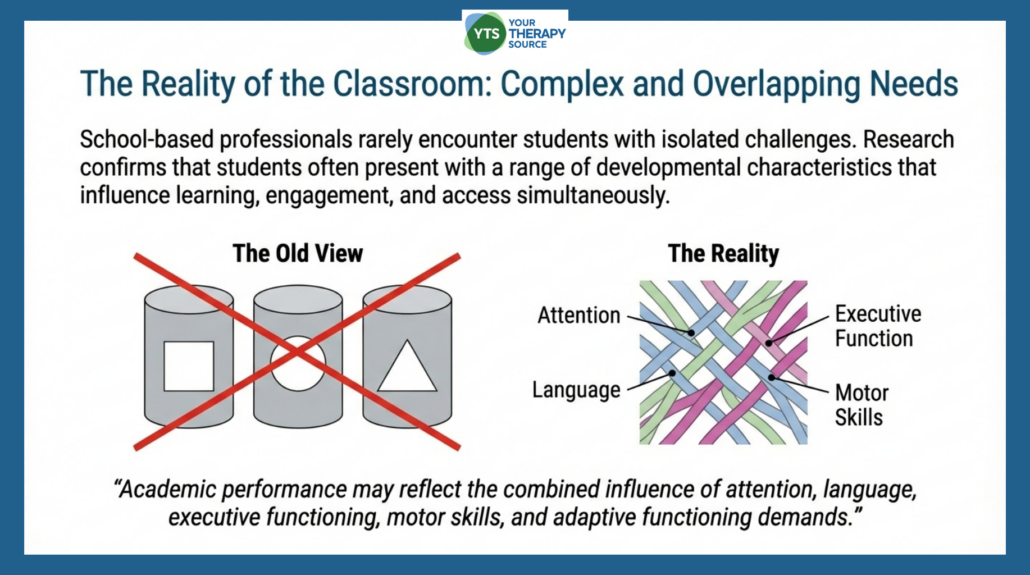
School-based professionals frequently support students with complex and overlapping needs rather than isolated challenges. These findings reinforce that academic performance may reflect the combined influence of attention, language, executive functioning, motor skills, and adaptive functioning demands present within classroom tasks.
Understanding that academic difficulties may be influenced by multiple interacting factors can support more accurate interpretation of student performance. This perspective encourages teams to look beyond a single area of difficulty and consider how different task demands affect access and participation across subjects.
IMPLICATIONS FOR SCHOOL STAFF
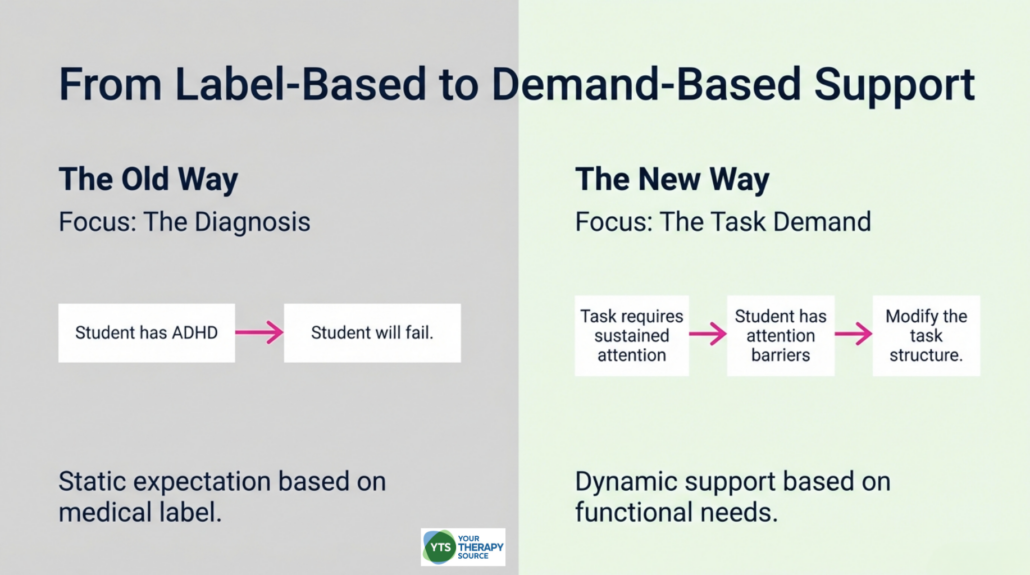
For educators, therapists, and related service providers, the findings highlight the importance of considering co-occurring needs when reviewing academic progress. Differences in performance across subjects may reflect varying demands rather than a lack of ability or effort.
Staff may observe that students with attention, learning, or communication-related challenges experience broader academic impacts, while students with motor or autism-related profiles may show more subject-specific participation differences. These patterns can inform collaborative planning and support decisions within general education environments.
PRACTICAL STRATEGIES OR CONSIDERATIONS
Research-informed findings can guide thoughtful classroom and school-based supports that focus on access and participation.
Look for patterns across subjects
Academic challenges often vary depending on task demands and learning contexts.
- Compare performance across language, math, arts, and physical education
- Notice whether difficulties increase with written output, sustained attention, or multi-step tasks
- Share observations across team members to support a fuller understanding
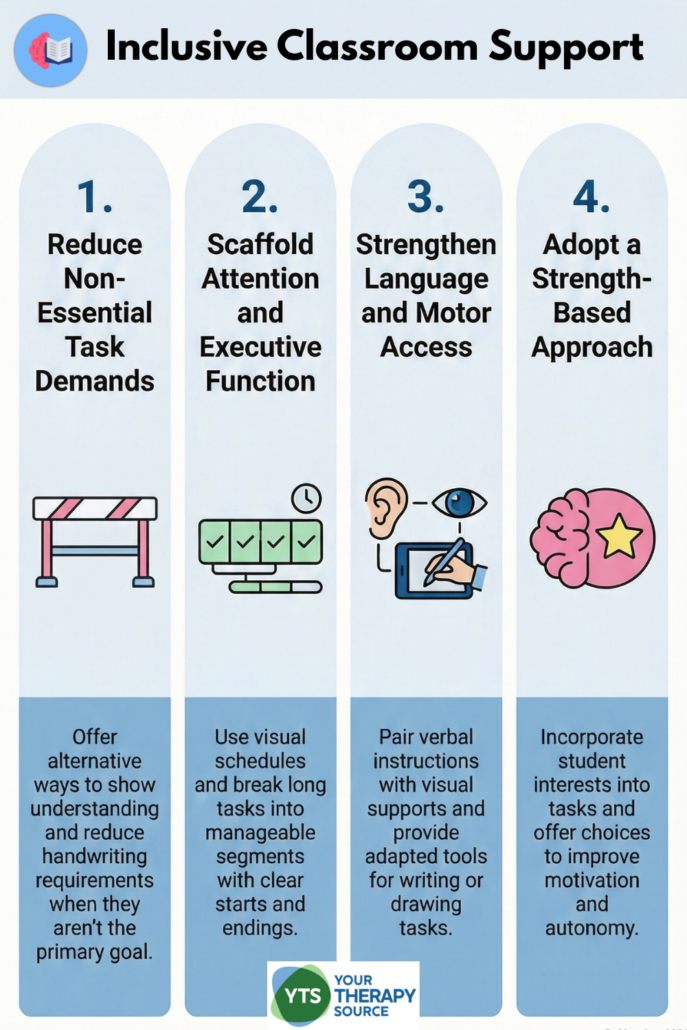
Reduce non-essential task demands
Lowering unnecessary barriers can help students demonstrate learning more effectively.
- Offer alternative ways to show understanding
- Reduce copying or handwriting demands when they are not central to the task
- Adjust pacing or task length to support endurance
Support attention during learning tasks
Attention demands influence performance across academic areas.
- Provide clear task starts and clear endings
- Break longer tasks into manageable segments
- Use visual schedules or checklists to support follow-through
Strengthen language access across subjects
Language demands affect participation beyond reading and writing tasks.
- Preview key vocabulary before instruction
- Pair verbal instructions with visual supports
- Allow additional processing time for directions
Build in executive function supports
Planning, organization, and working memory demands increase as students progress through school.
- Use graphic organizers to support written output
- Model how to break tasks into steps
- Support consistent routines for organizing materials
Consider motor demands in academic work
Fine and gross motor skills can influence performance across classroom tasks.
- Provide adapted tools for writing or drawing tasks
- Allow flexible seating or positioning
- Include movement breaks to support regulation and endurance
Support participation in arts and physical education
These settings include unique sensory, motor, and social demands.
- Provide clear demonstrations and expectations
- Reduce environmental distractions when possible
- Offer choices in materials or roles during group activities
Plan for co-occurring needs
Students with multiple areas of need often benefit from layered supports.
- Coordinate strategies across classroom and therapy settings
- Avoid focusing on one area of difficulty in isolation
- Revisit supports as academic demands change
Use strengths to support engagement
Strength-based approaches can improve motivation and participation.
- Incorporate student interests into learning tasks
- Highlight areas of success alongside areas of challenge
- Offer opportunities for choice and autonomy
Collaborate across the school team
Consistent communication supports more effective implementation.
- Share observations across disciplines
- Align classroom and therapy strategies when possible
- Engage families as support partners
KEY POINTS ABOUT NEURODEVELOPMENTAL DISORDERS AND ACADEMICS
This research highlights that academic performance is associated with both the type and number of neurodevelopmental conditions a student experiences. Intellectual disabilities, attention-deficit hyperactivity disorder, specific learning disorder, and communication disorders showed broad associations with academic performance, while autism spectrum disorder and motor disorders were more closely linked to arts and physical education outcomes. For school-based professionals, these findings reinforce the value of collaborative, flexible, and participation-focused approaches that consider co-occurring developmental needs within everyday educational contexts.
REFERENCES
Pagerols, M., Autet, A., Prat, R., Pagespetit, È., Andreu, M., Español-Martín, G., Martínez, L., Puigbó, J., Prat, G., Casas, M., & Bosch, R. (2026). The negative impact of neurodevelopmental disorders and multiple co-occurring conditions on academic performance of school-age children and adolescents. Scientific Reports, 16, 2406. https://doi.org/10.1038/s41598-025-27769-1

