
Pathological Demand Avoidance in Students
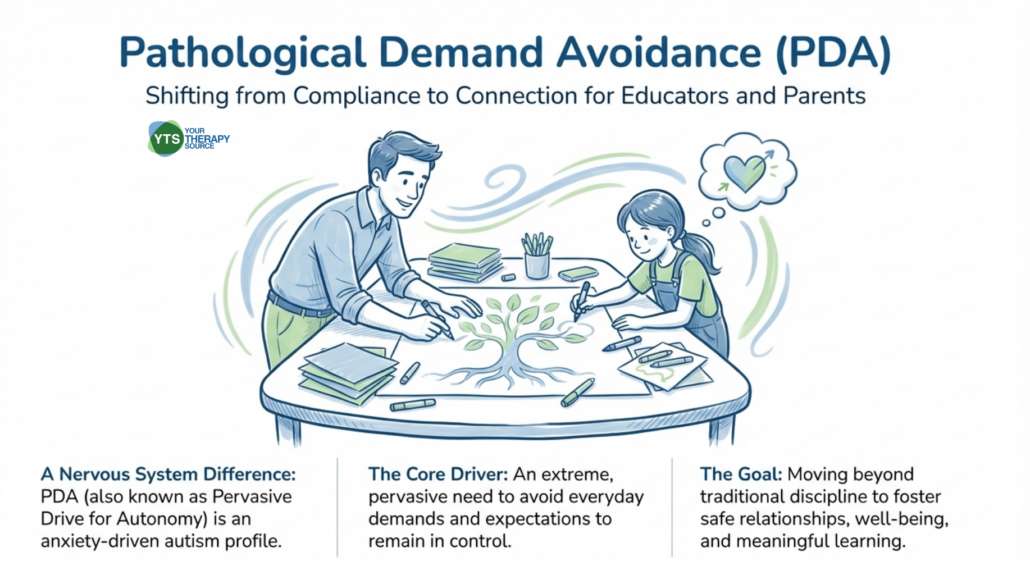
Pathological demand avoidance in students is one of the more misunderstood profiles that school-based professionals encounter. Students who experience this profile may appear defiant, unpredictable, or emotionally volatile, but what looks like willful noncompliance is more accurately understood as an anxiety-driven, neurological response to perceived loss of control.
For educators, occupational therapists, physical therapists, and related service providers, understanding this profile can shift how a student’s behavior is interpreted and how support is structured. When the focus moves from demanding compliance to building safety and connection, students are more likely to engage, regulate, and access learning. You can download a free handout at the bottom of this post to support emotional regulation in your students.

UNDERSTANDING THE PDA PROFILE
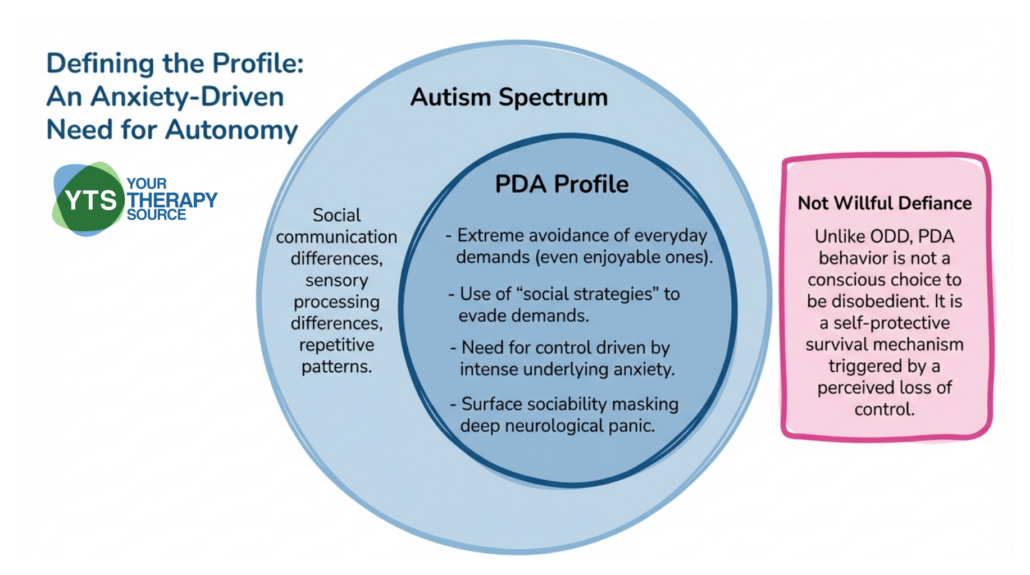
Pathological demand avoidance (PDA), also referred to as Pervasive Drive for Autonomy, is described as an anxiety-driven autism profile characterized by an extreme, pervasive need to avoid everyday demands and expectations. This overview draws on clinical literature, practitioner-developed frameworks, and organizational guidance to help school professionals understand the profile and apply more effective, neuro-affirming approaches.
- PDA is framed as a nervous system difference rooted in intense underlying anxiety, not a behavioral or oppositional disorder
- The profile sits within the autism spectrum but has distinct features that set it apart from other presentations
- Everyday demands, including enjoyable ones, can trigger a threat response in the nervous system
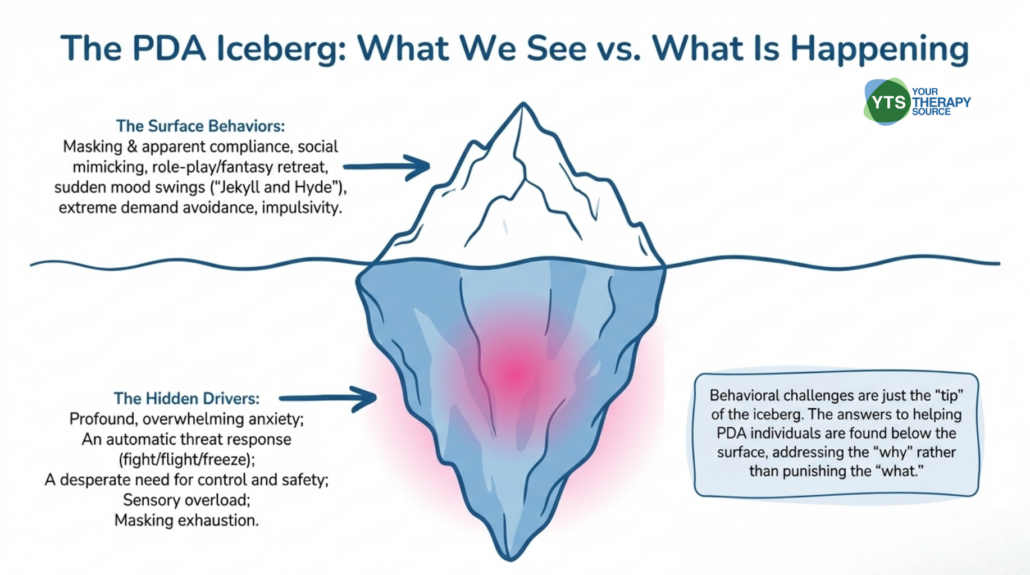
- Surface behaviors often mask a much deeper state of overwhelm and dysregulation
- Supporting students with a PDA profile requires a different approach than traditional behavior management
KEY FINDINGS ABOUT PDA
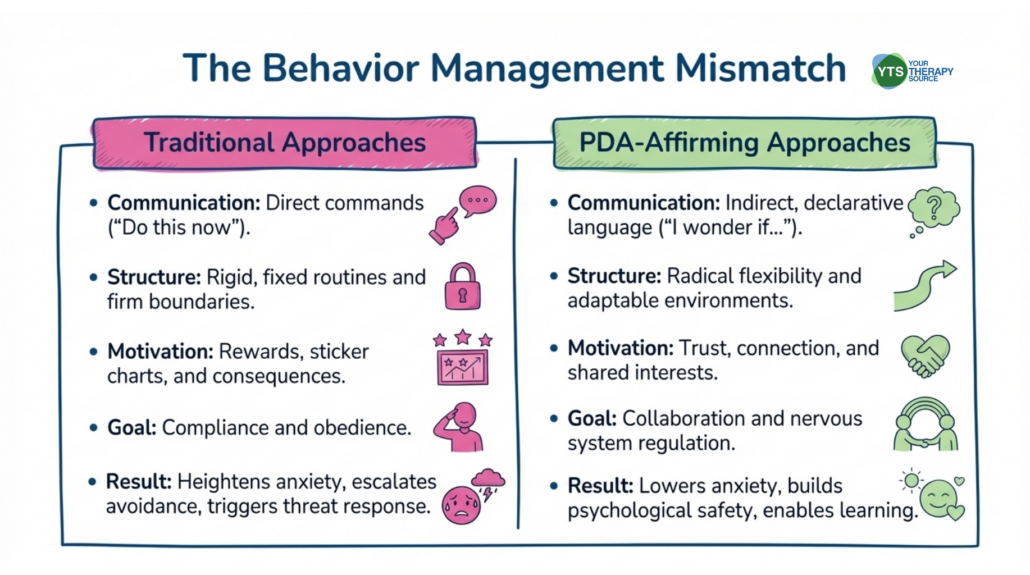
Here is a summary of clinical and practitioner sources to help understand the PDA profile and why standard school-based strategies often fall short. The following points reflect the core concepts presented.
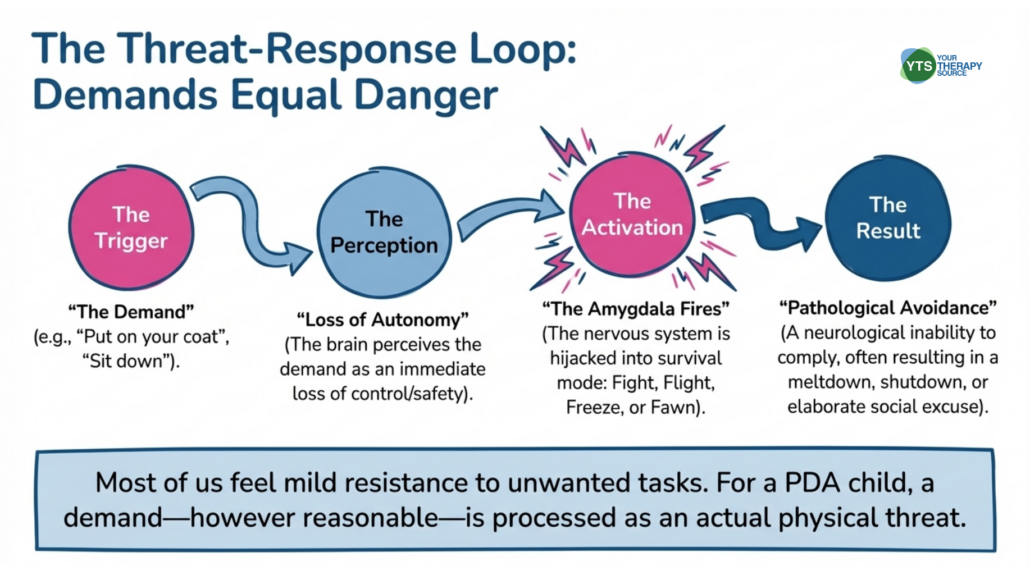
- PDA is associated with an extreme need to avoid demands driven by intense anxiety, and when a demand is perceived, the brain may register it as a physical threat, activating a fight, flight, freeze, or fawn response
- This response is described as a neurological inability to comply, not a conscious choice to be disobedient
- Surface behaviors such as apparent compliance, social mimicking, sudden mood swings, role-play or fantasy retreat, and elaborate excuses may mask profound underlying anxiety and nervous system dysregulation
- Unlike oppositional defiant disorder, PDA behavior is understood as a self-protective survival mechanism triggered by perceived loss of control
- Traditional approaches such as direct commands, rigid routines, reward charts, and consequences may heighten anxiety and increase avoidance behavior
- PDA-affirming approaches, including indirect language, flexible environments, and trust-based motivation, may lower anxiety and support access to learning
WHY THIS MATTERS FOR SCHOOL-BASED PRACTICE
School environments are built around routines, transitions, group expectations, and teacher-directed tasks, all of which can function as demand triggers for students with a PDA profile. Understanding what is driving behavior beneath the surface is essential for creating conditions where these students can participate meaningfully.
Standout points for school-based practice:
- A student who appears regulated at school may be masking intensely and experiencing significant distress at home, and both settings deserve attention
- Behavioral goals tied to compliance, following directions, or token economies may be counterproductive for this student profile
- Reducing the demand load and increasing a student’s sense of autonomy may support regulation and learning access more effectively than adding structure or consequences
School staff who understand demand avoidance are better positioned to recognize when a student’s behavior reflects an internal experience rather than a choice, and to respond in ways that build safety rather than escalate distress.
IMPLICATIONS FOR SCHOOL STAFF
When working with students who have a PDA profile, the adults in the environment play a significant role in whether the student’s nervous system feels safe enough to engage. Staff responses, language choices, and environmental design all have an impact on how a student experiences the school day.
What staff might notice in students with a PDA profile:
- Refusal or avoidance of tasks that appear simple or even enjoyable to others
- Elaborate excuses, negotiating, or social strategies used to sidestep demands
- Sudden shifts in mood or behavior that seem disproportionate to the situation
- A pattern of appearing regulated at school while experiencing significant distress at home
- Difficulty initiating adult-directed tasks even when the student appears willing
Students who struggle with task initiation may find demand-heavy environments particularly difficult to navigate. Recognizing the connection between anxiety, autonomy, and the ability to begin a task can help staff respond with greater accuracy. A multi-modal approach that includes communication support, environmental flexibility, and consistent school-family collaboration is more likely to meet this student’s needs than any single strategy applied in isolation.

10 PRACTICAL STRATEGIES OR CONSIDERATIONS FOR STUDENTS WITH PDA
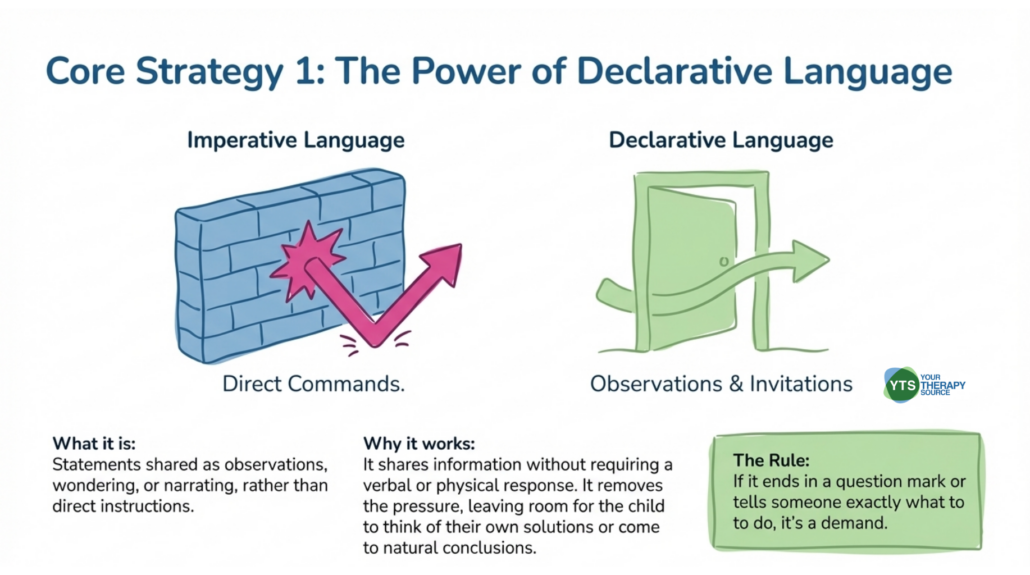
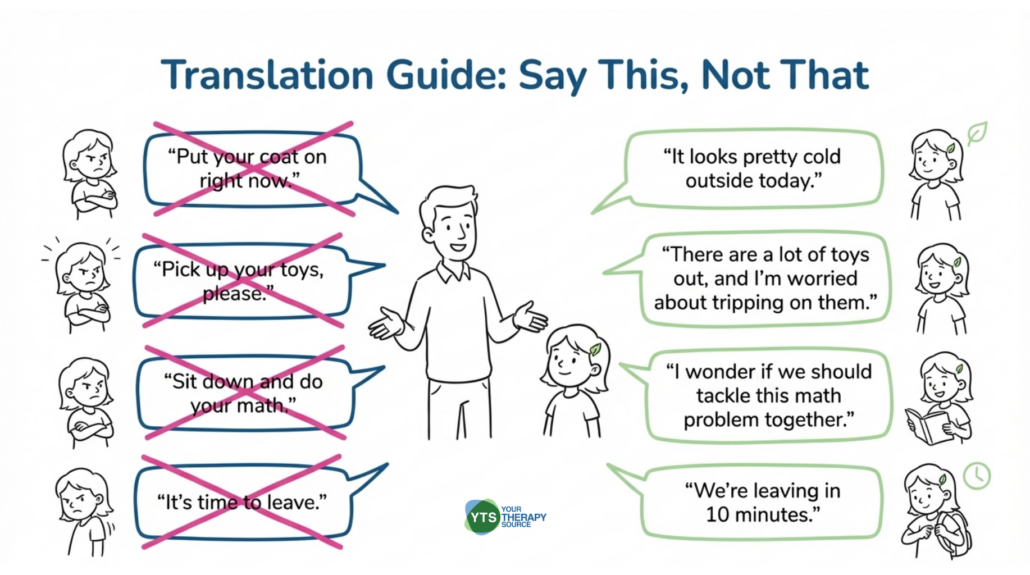
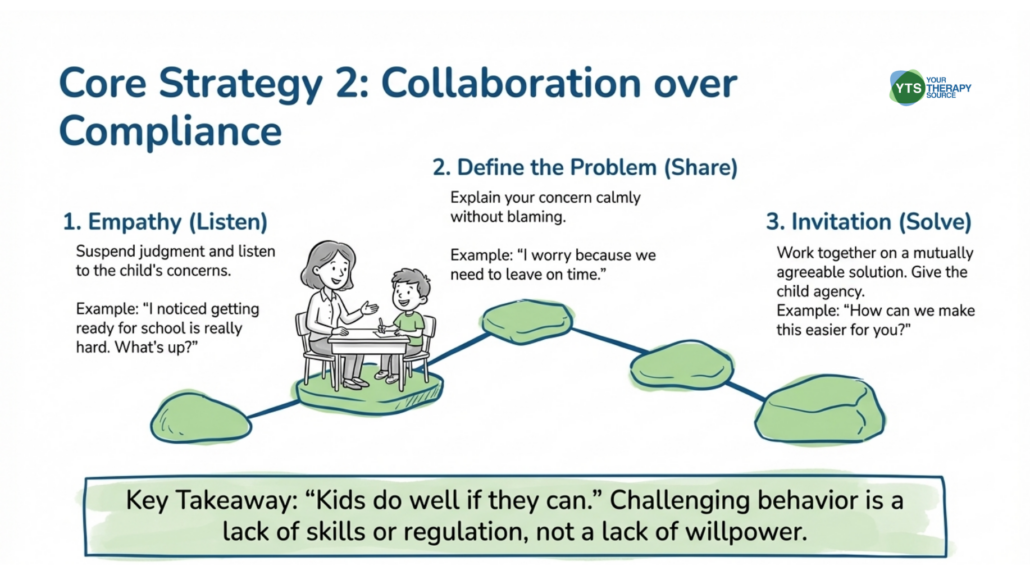
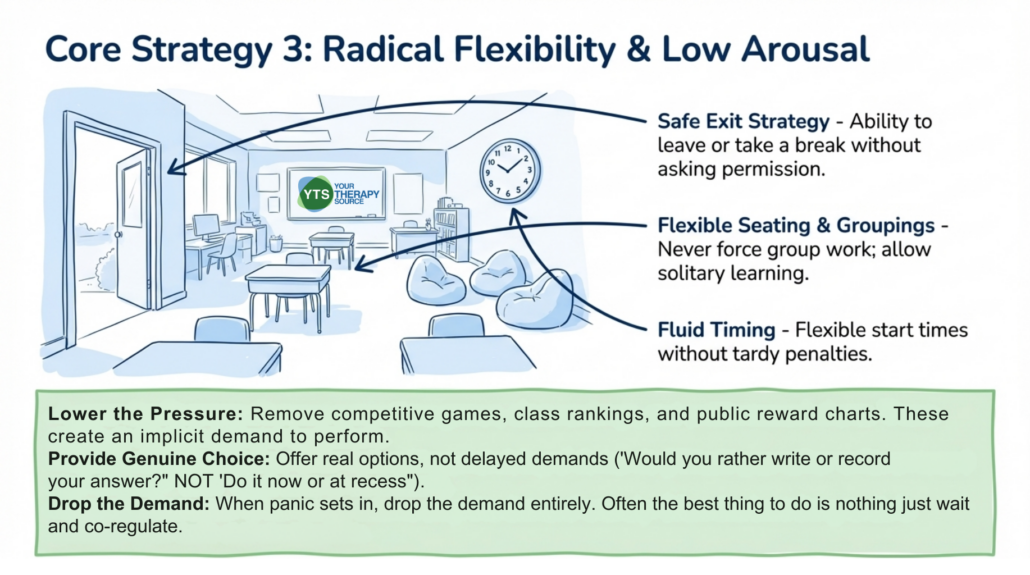
- Shift from direct commands to declarative language. Instead of instructions such as “sit down and do your work,” try observations or open-ended comments such as “I wonder if we could tackle this together.” Declarative language shares information without requiring a verbal or physical response, which removes pressure and reduces the likelihood of triggering a threat response.
- Offer genuine choices rather than disguised demands. Providing real options, such as whether a student would like to write or record an answer, gives the student a sense of agency. Options that are framed as choices but are actually delayed demands, such as “do it now or at recess,” are likely to be perceived as controlling and may increase avoidance.
- Build in low-pressure exits. Consider whether students have access to a calm space or break option that does not require them to ask permission first. The ability to step away without negotiating can reduce the buildup of overwhelm before it becomes a crisis.
- Reduce visible performance pressure in the environment. Public reward charts, class rankings, and competitive games create an implicit demand to perform. Removing or minimizing these from the classroom environment may lower background anxiety for students who are sensitive to perceived expectations.
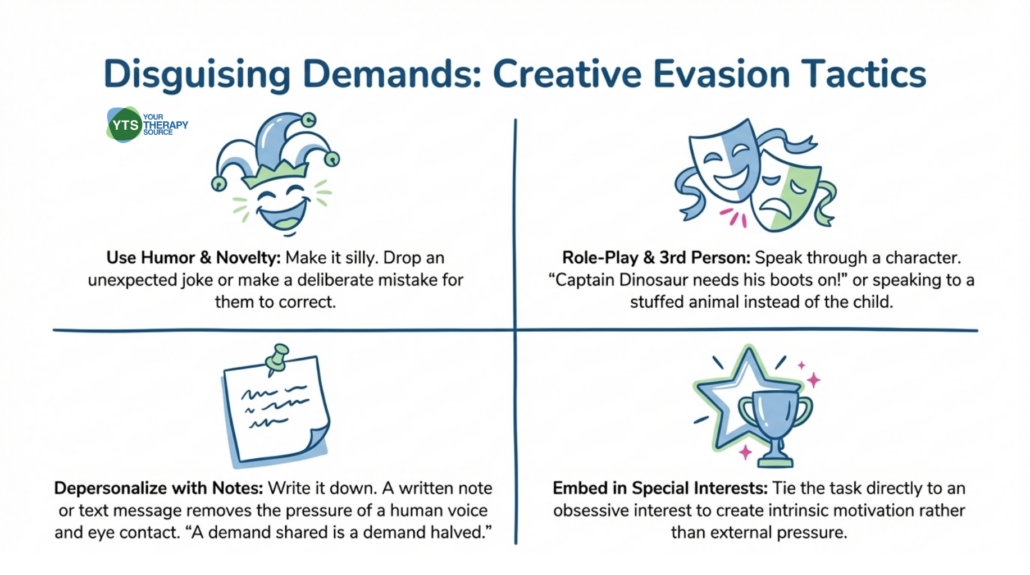
- Use humor, novelty, and indirect framing to introduce tasks. Embedding a task within a student’s area of interest, speaking through a character or puppet, or introducing a deliberate mistake for the student to correct can shift the dynamic from compliance to collaboration. These approaches reduce the sense that a direct demand is being placed.
- Drop the demand when escalation begins. When a student reaches a state of panic or dysregulation, removing the demand entirely and waiting quietly is often the most effective response. Co-regulating without pressing for compliance allows the nervous system to settle before re-engagement is possible.
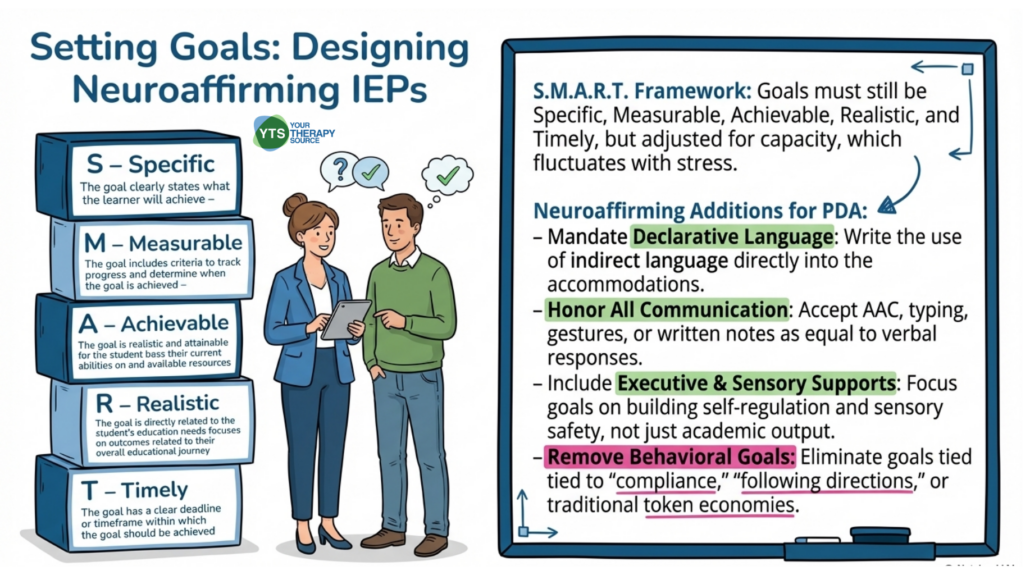
- Align IEP goals with a neuro-affirming framework. Goals focused on compliance, following directions, or participation in token economies may not be appropriate for students with a PDA profile. Writing goals around self-regulation, sensory safety, and functional communication, and embedding the use of indirect language directly into accommodations, may better reflect this student’s needs.
- Accept multiple forms of communication as equally valid. For students who may be in a state of high arousal, verbal responses may not be accessible in the moment. Accepting AAC, typing, written notes, or gestures as equal to spoken answers reduces pressure and supports meaningful participation.
- Consider sensory needs as part of the overall picture. Students with a PDA profile often experience sensory overload as part of their threat response. Understanding how sensory seeking behavior connects to nervous system regulation can help staff recognize when sensory input is contributing to dysregulation and create environments that support rather than escalate arousal.
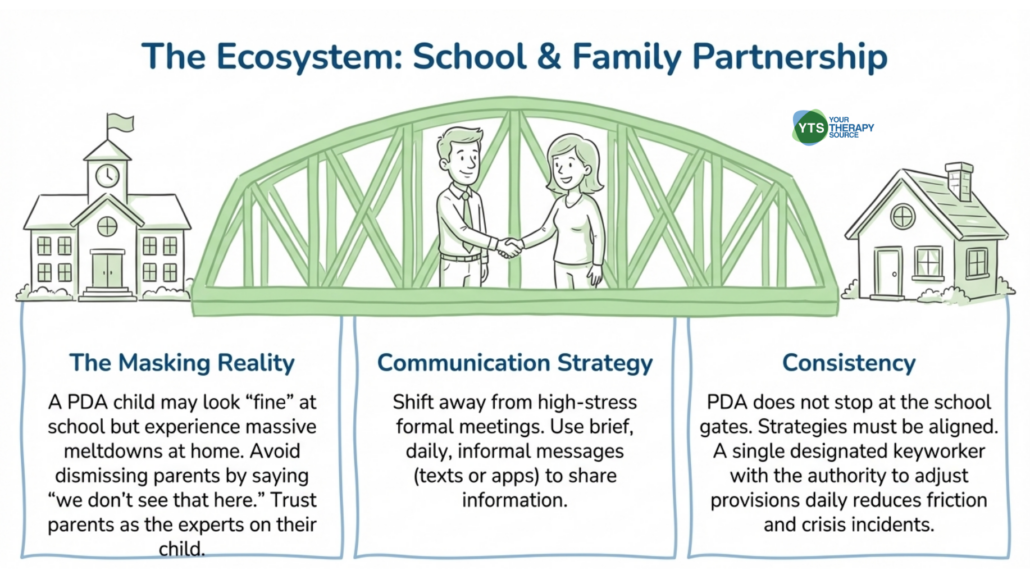
- Strengthen the school-family partnership through consistent, informal communication. A student may appear regulated at school while experiencing significant distress at home, and both environments need to be considered together. Brief, daily communication between school staff and families, rather than formal high-stakes meetings, supports consistency across settings. Designating one key staff member with the flexibility to adjust supports daily can reduce friction and help prevent crisis incidents.
CONCLUSION
The PDA profile is best understood as an anxiety-driven, neurological experience rather than a behavioral choice. When everyday demands are perceived as threatening, students are not in a position to simply choose to comply. Supporting these students requires a shift in how adults communicate, how environments are designed, and how goals are written.
For school-based professionals, this understanding offers a meaningful starting point. Applying flexible, low-demand, connection-focused approaches is not about lowering expectations. It is about creating the conditions under which a student’s nervous system feels safe enough to engage, and from which meaningful learning and participation become possible.
REFERENCES
Huff, D. (n.d.). IEP goals for PDA learners. PDA North America. https://pdanorthamerica.org/wp-content/uploads/2025/02/IEP-Goals-for-PDA-Learners.pdf.
No Pressure PDA & PDA North America. (n.d.). Declarative language & PDA. PDA North America. www.pdanorthamerica.org.
Odyssey PDA. (2025, October). PDA – Approaches that help. Odyssey PDA. https://www.odysseypda.co.uk/.
PDA North America. (n.d.). Strategies and support needs for school. PDA North America. www.pdanorthamerica.org.
PDA Society. (2021). Education, Health and Care Plans to support a PDA profile of autism. PDA Society. www.pdasociety.org.uk.
PDA Society. (n.d.). PANDA as a way in. PDA Society. https://www.pdasociety.org.uk/.
PDA Society. (n.d.). PDA for educators. PDA Society. https://www.pdasociety.org.uk/research-professional-practice/education-professional-practice/.
PDA Society. (n.d.). Transitions and routine with PDA. PDA Society. https://www.pdasociety.org.uk/
DOWNLOAD YOUR FREE HANDOUT ON DECLARATIVE LANGUAGE HERE
Enter your email to gain access to the handout.

