,

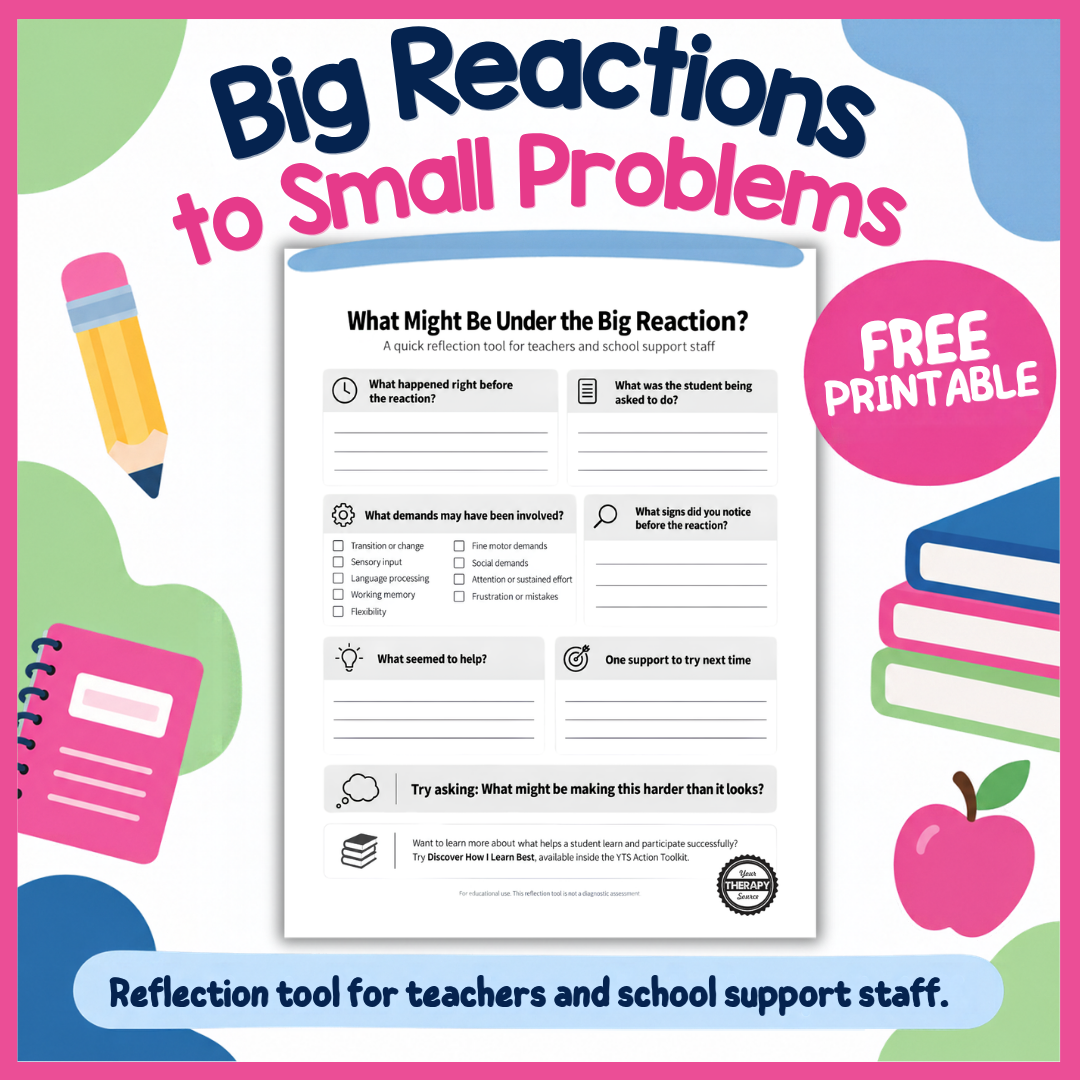
Big Reactions to Small Problems: What Might Be Happening Underneath?

Big reactions to small problems can be confusing for teachers, therapists, counselors, and other school staff. A pencil breaks, someone sits in a student’s usual seat, the schedule changes unexpectedly, or a student makes one mistake, and suddenly there may be tears, yelling, shutting down, refusal, or leaving the area. These reactions can be connected […]

,

Self-Injurious Behaviors In Young Autistic Children

Self-injurious behaviors in young autistic children, such as head banging, self-biting, and skin picking, are more common than many school teams realize. Research estimates that up to half of autistic individuals experience these behaviors at some point in their lives. For educators and therapists, these behaviors can affect a child’s safety, learning, and ability to […]

,

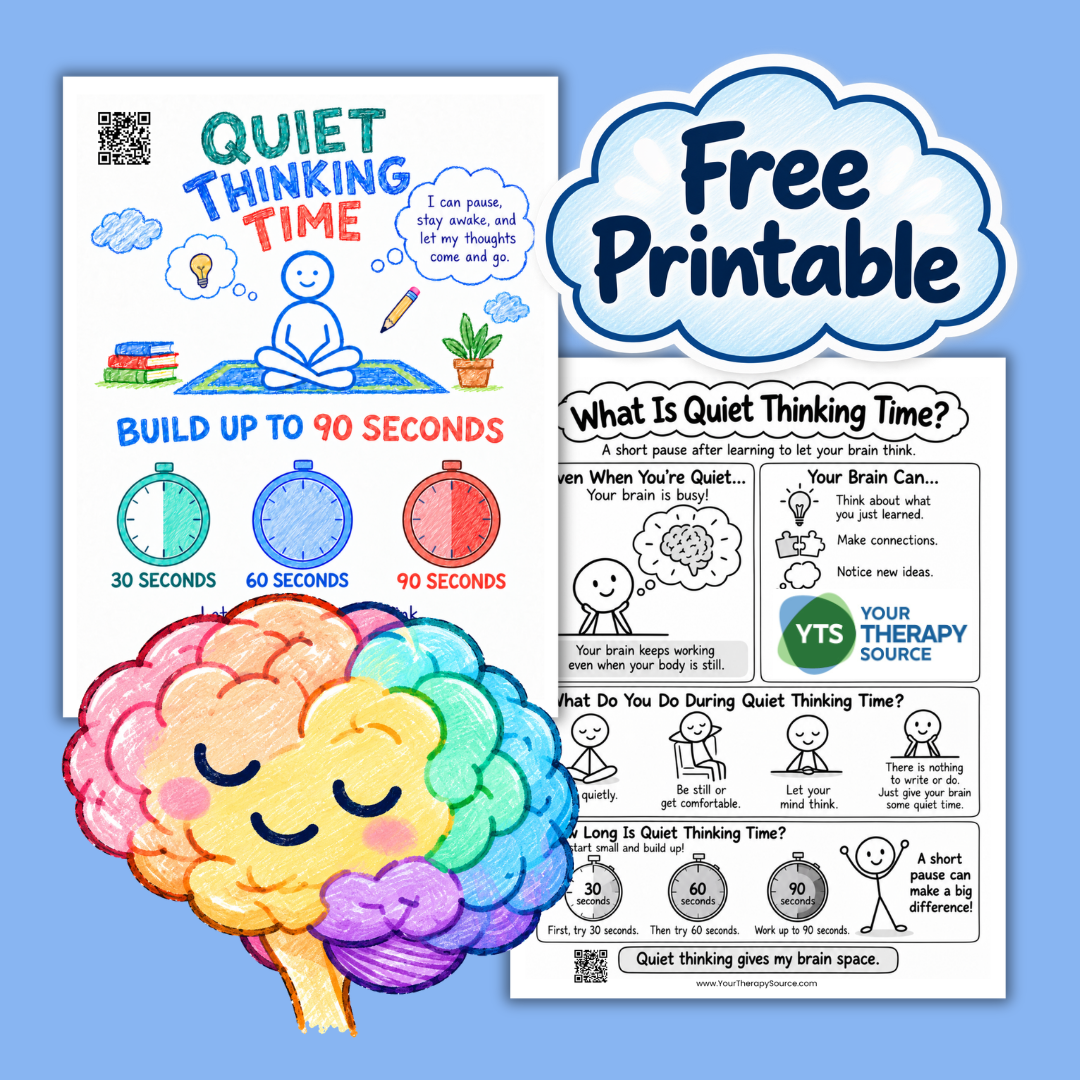
Wakeful Rest: How Can Quiet Thinking Time Help Your Students?

Students move through an enormous amount of information during the school day. A lesson ends, and almost immediately there is another question to answer, another worksheet to complete, another conversation to have, or another activity to begin. But what happens when we occasionally stop adding more information? Research on wakeful rest suggests that periods with […]

,

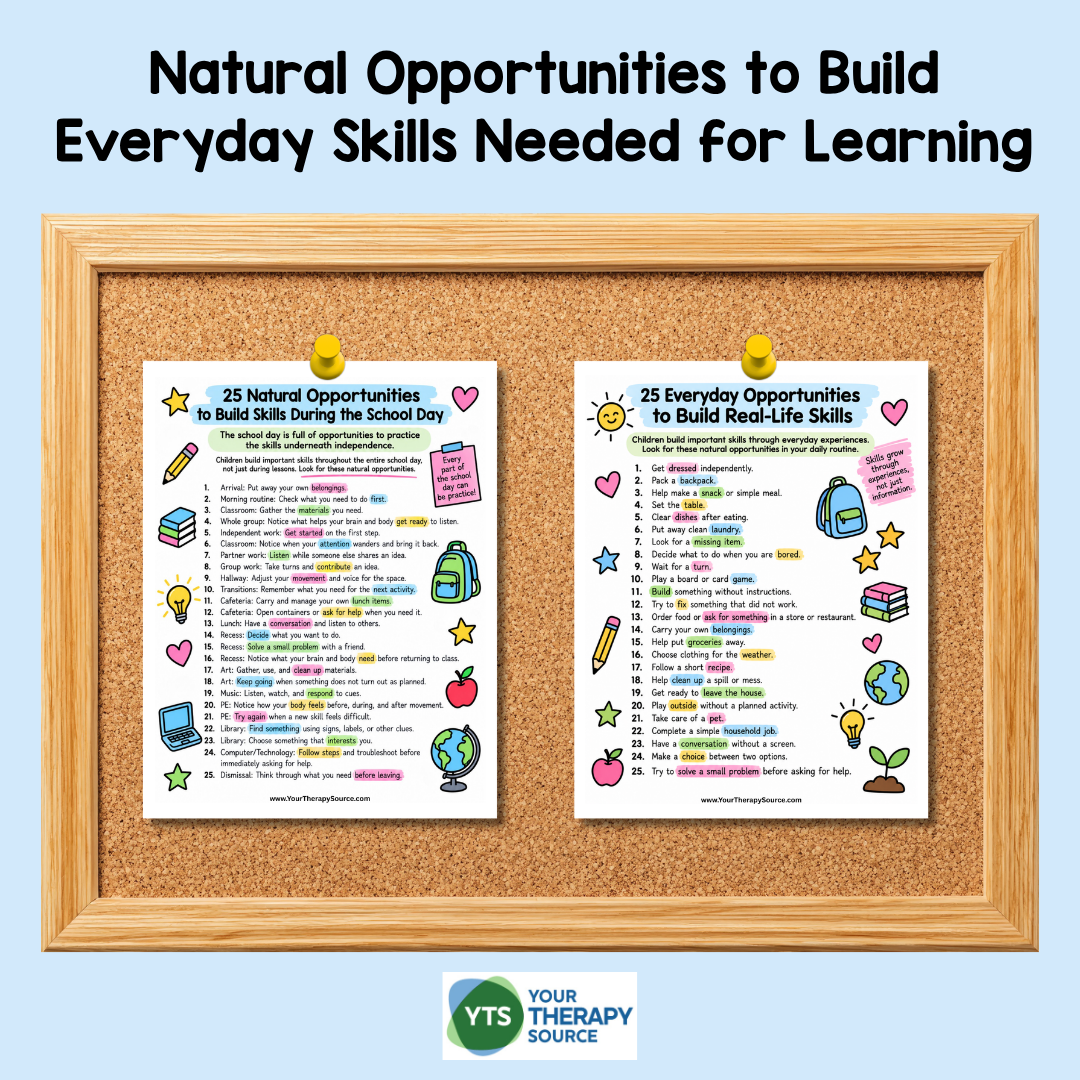
Natural Opportunities to Build Everyday Skills Needed for Learning

Children need many skills to participate successfully in school. Attention, organization, problem-solving, self-regulation, working memory, flexibility, and independence all support learning throughout the day. These skills need opportunities to develop and be practiced. Fortunately, families and educators do not always need special activities to build everyday skills. Many opportunities are already part of a child’s […]

,

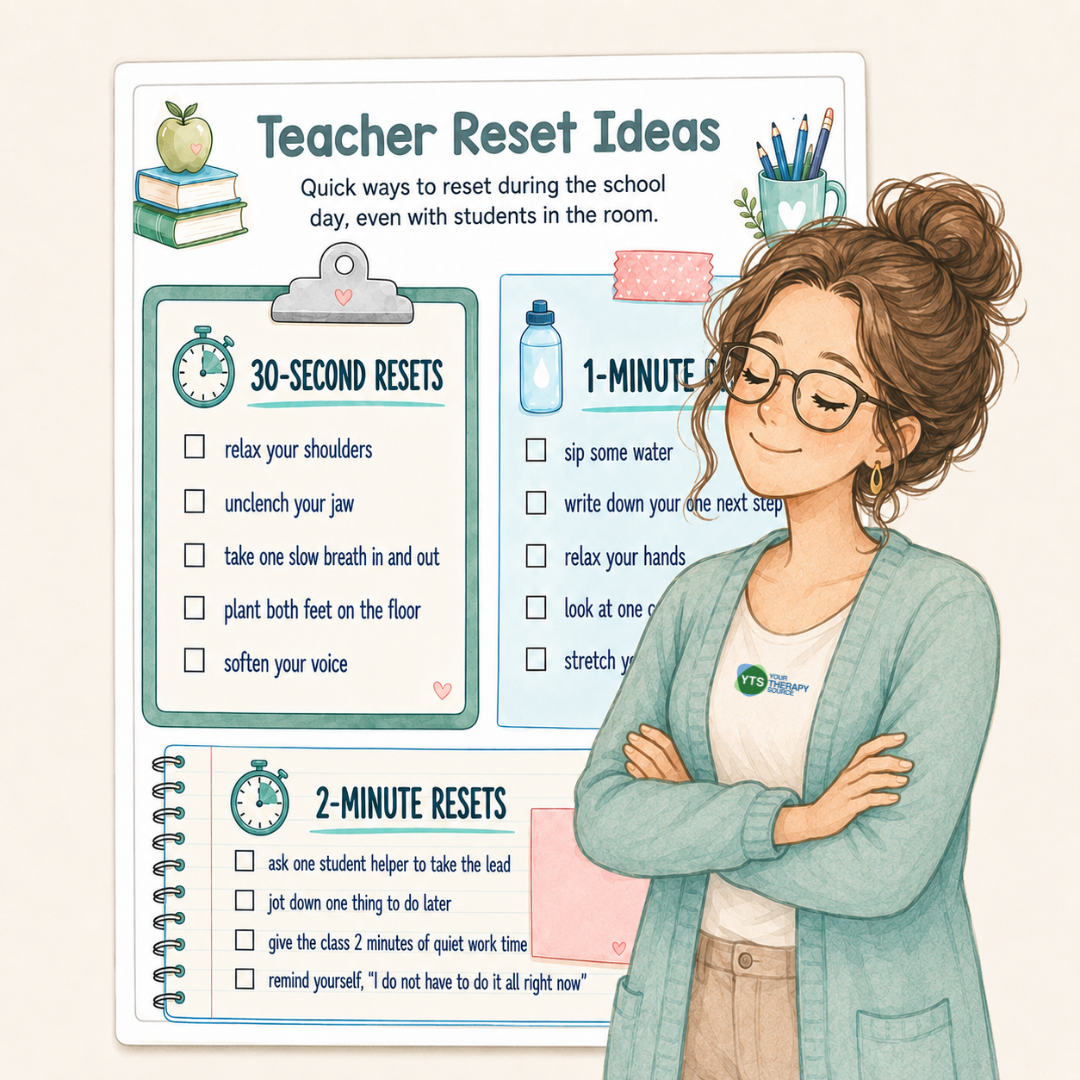
Preventing Teacher Burnout Free Printable

Teaching requires an incredible amount of attention, decision-making, emotional regulation, flexibility, and problem solving. Teachers are expected to support students, manage the classroom, deliver instruction, respond to unexpected needs, communicate with families, document progress, and keep moving through the school day. That is a lot for one nervous system. Explore this free printable preventing teacher […]