Supporting Students with ADHD Using Music
Research suggests that supporting students with ADHD using music based activities can play a meaningful role in supporting children with attention and executive function challenges. For many children with ADHD, sustaining attention, managing impulses, and organizing tasks are areas of daily difficulty that affect participation in school and home routines.
Occupational therapists working with children with ADHD commonly address these challenges through structured, evidence-based approaches. Adding music-based elements to therapy sessions is one area that researchers have begun to examine more closely, and the findings offer some useful insights for school-based practice. You can download the 10 hacks for students with ADHD or anyone who needs to focus at the bottom of this page.
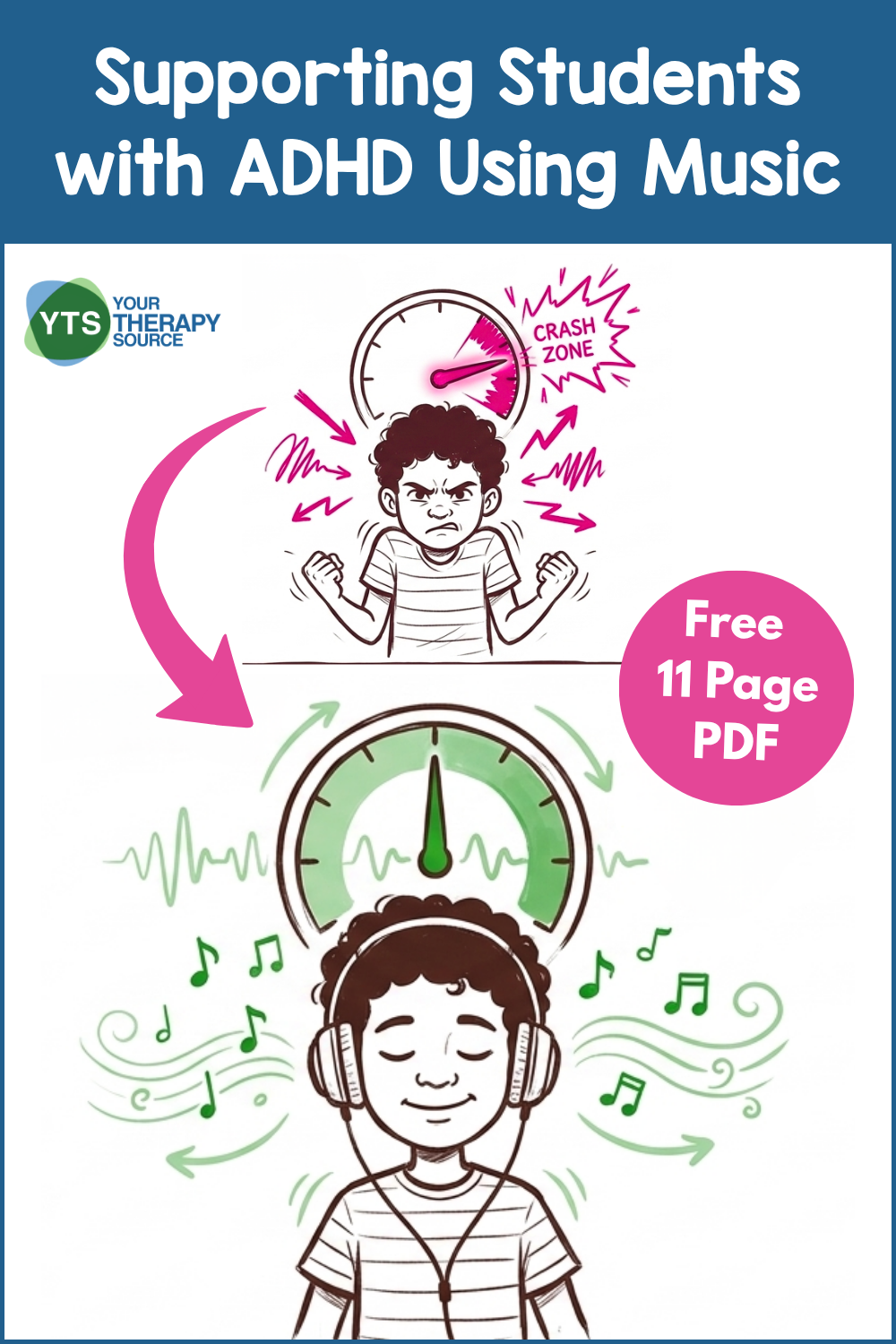
WHAT THE RESEARCH EXAMINED
Researchers in Turkey conducted a randomized controlled trial comparing music-based occupational therapy to structured occupational therapy in children with ADHD. The study also tracked changes in caregiver burden.
Key study details:
- 39 children aged 5 to 12 years, all with an ADHD diagnosis and no comorbid conditions, were randomly assigned to one of two groups
- Both groups received 40 to 45 minute sessions once a week for six weeks; the music-based group used drums and harmonicas within sensory-based play, while the structured group received conventional occupational therapy
- Attention, executive function, and caregiver burden were measured before and after the intervention using standardized assessments
KEY FINDINGS FROM THE RESEARCH ON ADHD AND MUSIC
Both interventions were associated with improvements across all three outcome areas after six weeks. However, the music-based group showed a statistically greater improvement in attention compared to the structured group.
Specific findings include:
- Both groups showed significant within-group improvements in attention, executive functions, and caregiver burden from baseline to post-intervention
- The between-group comparison found a statistically significant difference in attention scores favoring the music-based occupational therapy group (p = .004)
- No statistically significant between-group differences were found for executive function (p = .122) or caregiver burden (p = .967)
- The authors note that the within-group effect sizes were large and should be interpreted with caution given the small sample size, short duration, and reliance on caregiver-reported outcomes
WHY THESE FINDINGS MATTER FOR SCHOOL-BASED PRACTICE
Attention is foundational to learning, and children with ADHD often face significant challenges sustaining focus during classroom tasks and structured activities. Research that explores how different approaches may support attention regulation is directly relevant to the professionals who work with these children every day.
Standout points for school-based practice:
- Both music-based and structured occupational therapy approaches were associated with improvements in attention and executive functioning, suggesting value in structured, goal-directed intervention overall
- The music-based approach may offer added engagement and motivation that supports sustained participation, particularly for children who find traditional formats less stimulating
- The study also measured caregiver burden, recognizing that family well-being is part of the broader picture when supporting children with ADHD
Understanding how emotional regulation and ADHD intersect can further inform how school teams think about supporting attention. For more on this topic, visit ADHD and Emotional Dysregulation: What Does the Research Say?
IMPLICATIONS FOR SCHOOL STAFF
For school-based occupational therapists and related service providers, this research adds to the evidence base for structured, multi-component interventions that address attention and executive functioning in children with ADHD. Staff who work with these students daily may notice a range of functional challenges that connect directly to the skills targeted in this study.
Students with ADHD may show patterns such as:
- Difficulty staying on task during multi-step activities or transitions
- Challenges with impulse control, turn-taking, and rule-following during structured tasks
- Variable engagement depending on the sensory or motivational qualities of the activity
- Difficulty with planning, organization, and regulating their responses in group settings
Music-based elements may offer a different way to access attention and self-regulation for some students, particularly when embedded within purposeful, structured activities. School teams can think about how rhythm, timing, and auditory-motor engagement are already present in daily routines and consider how these qualities might be intentionally leveraged. Understanding the sensory needs in ADHD can also help staff recognize how sensory processing patterns influence attention and participation throughout the school day.
These findings are preliminary and based on a small study conducted in a specific cultural and clinical context, with all outcome data reported by caregivers who knew which group their child was in. School-based practitioners can use these findings to inform their thinking and spark curiosity, while continuing to draw on the full body of evidence and their own clinical reasoning.
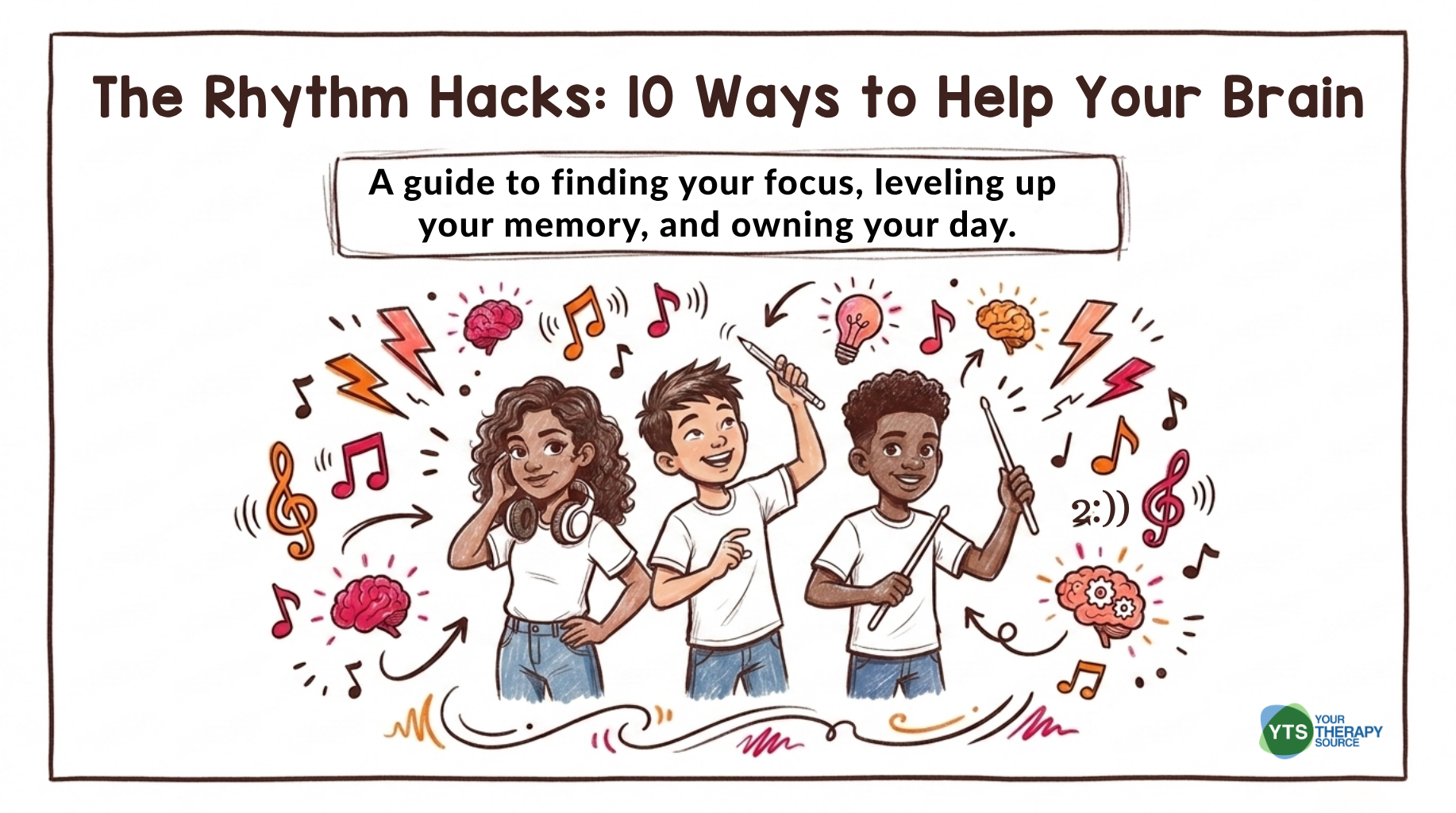
10 PRACTICAL STRATEGIES TO SUPPORT STUDENTS WITH ADHD USING MUSIC
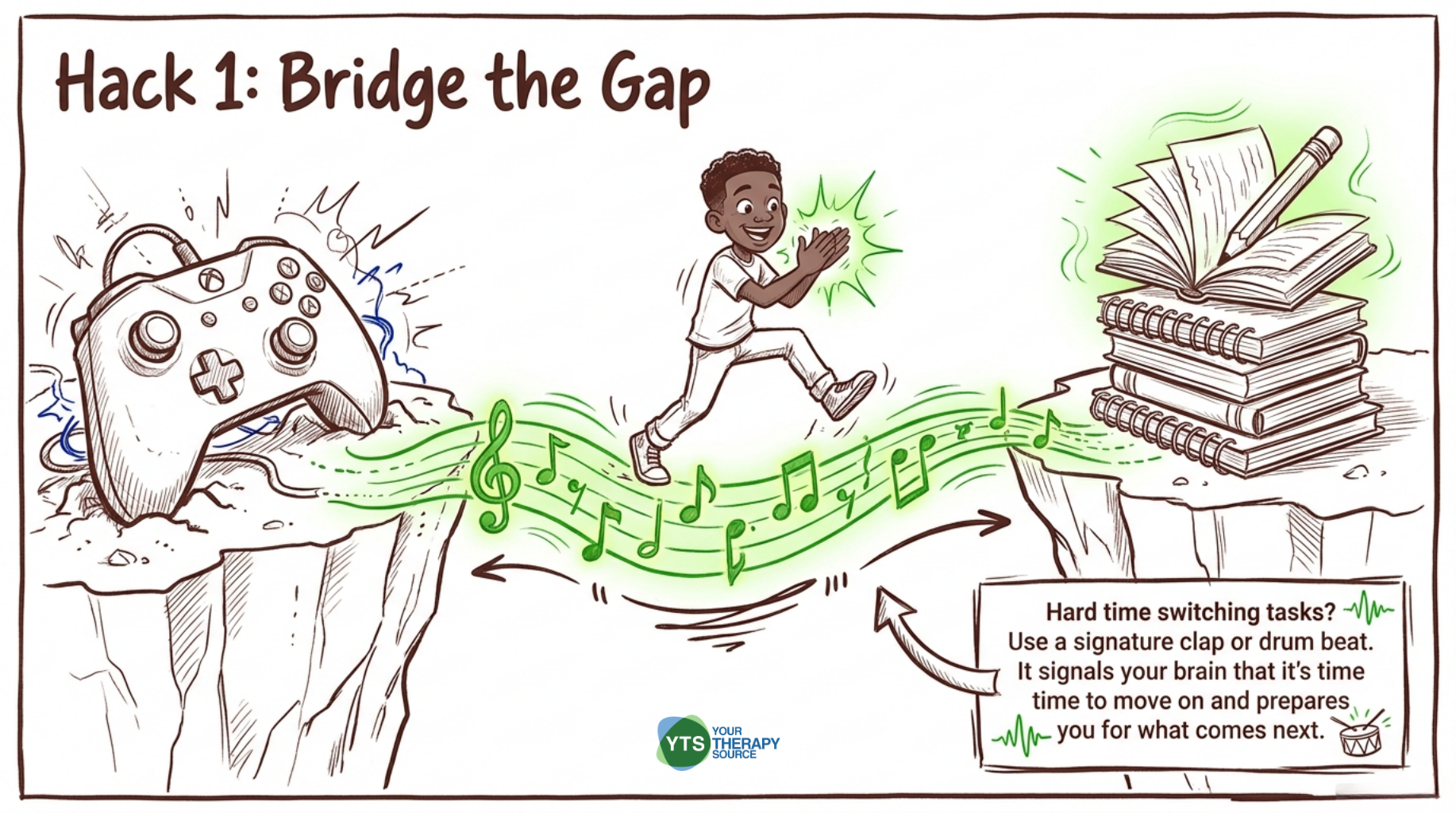
- Use rhythmic cues to support transitions. Children with ADHD often struggle most during unstructured moments between activities. A consistent rhythmic signal such as a clapping pattern, a drum beat, or a simple musical phrase can serve as a reliable, predictable cue that helps students shift attention and prepare for what comes next.
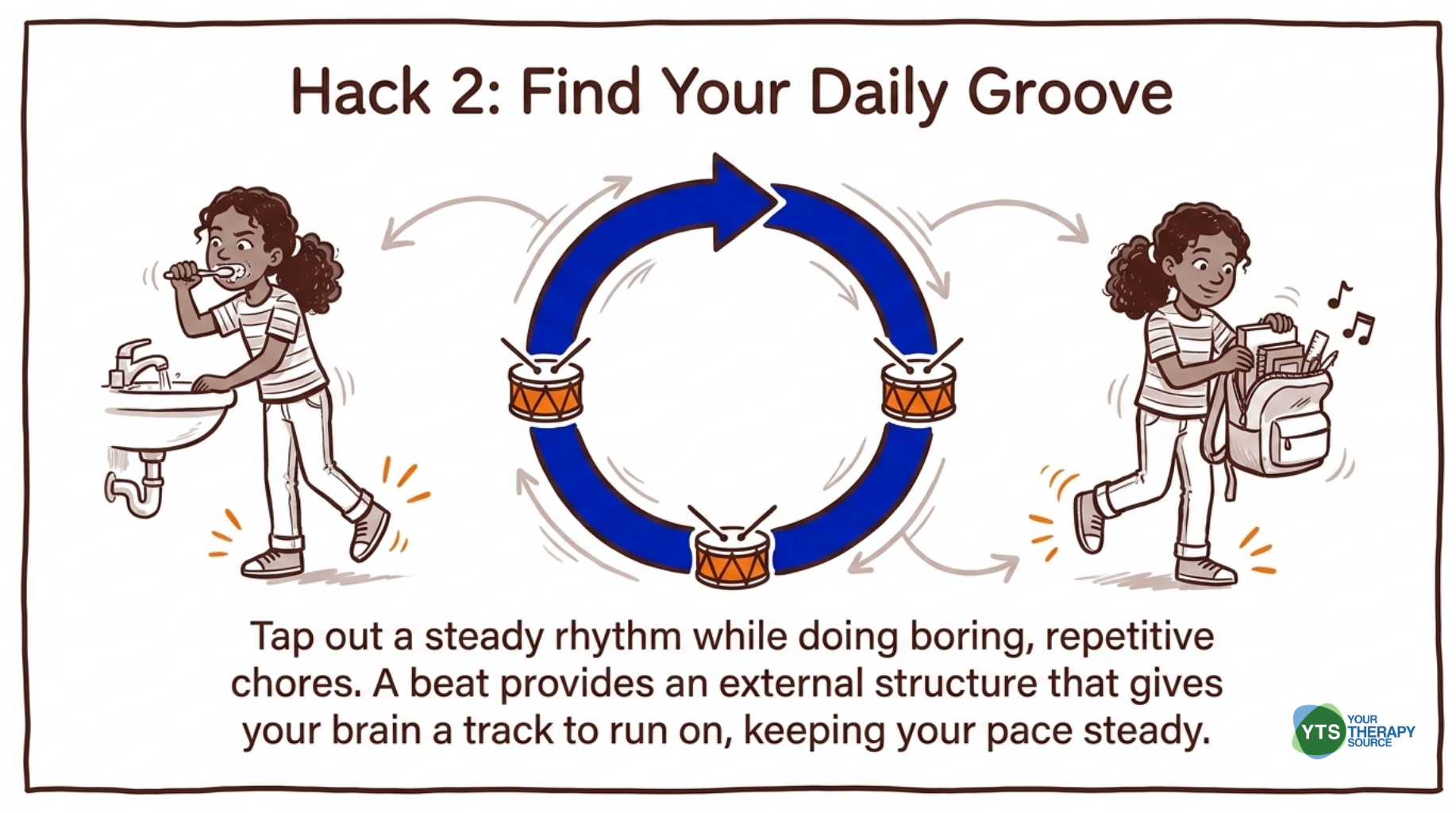
- Incorporate beat and rhythm into daily routines. Rhythm provides external structure that may help children with ADHD regulate their pace and focus. Simple beat-based activities such as tapping a rhythm while reciting steps to a task, or using a steady beat during a transition routine, can add structure to moments that might otherwise feel unpredictable.
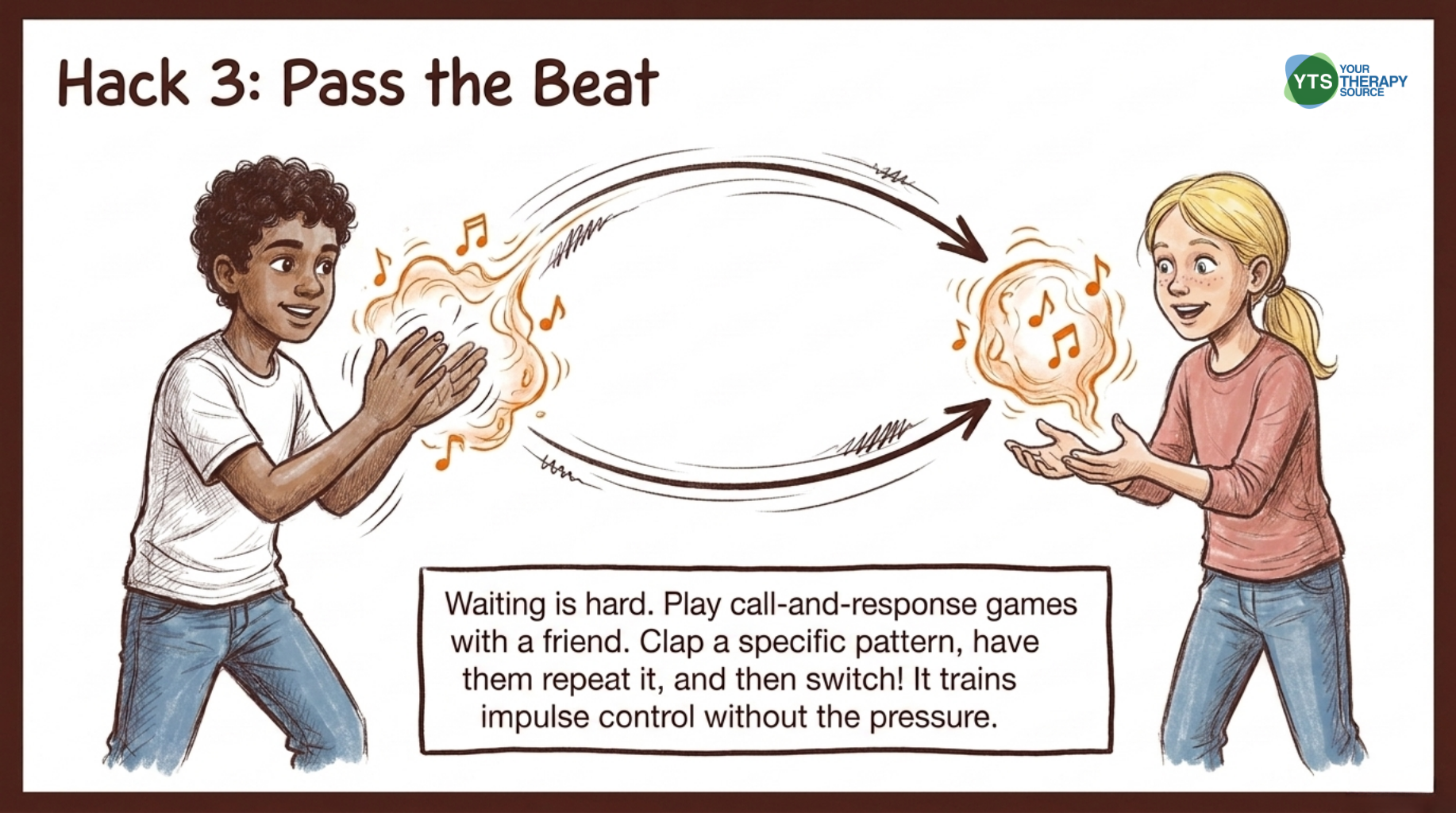
- Use call-and-response activities to practice turn-taking. Children with ADHD often find turn-taking and waiting difficult. Musical call-and-response games, where one person plays or claps a pattern and another repeats it, create a natural framework for practicing impulse control and attending to a partner in a low-pressure, engaging format.
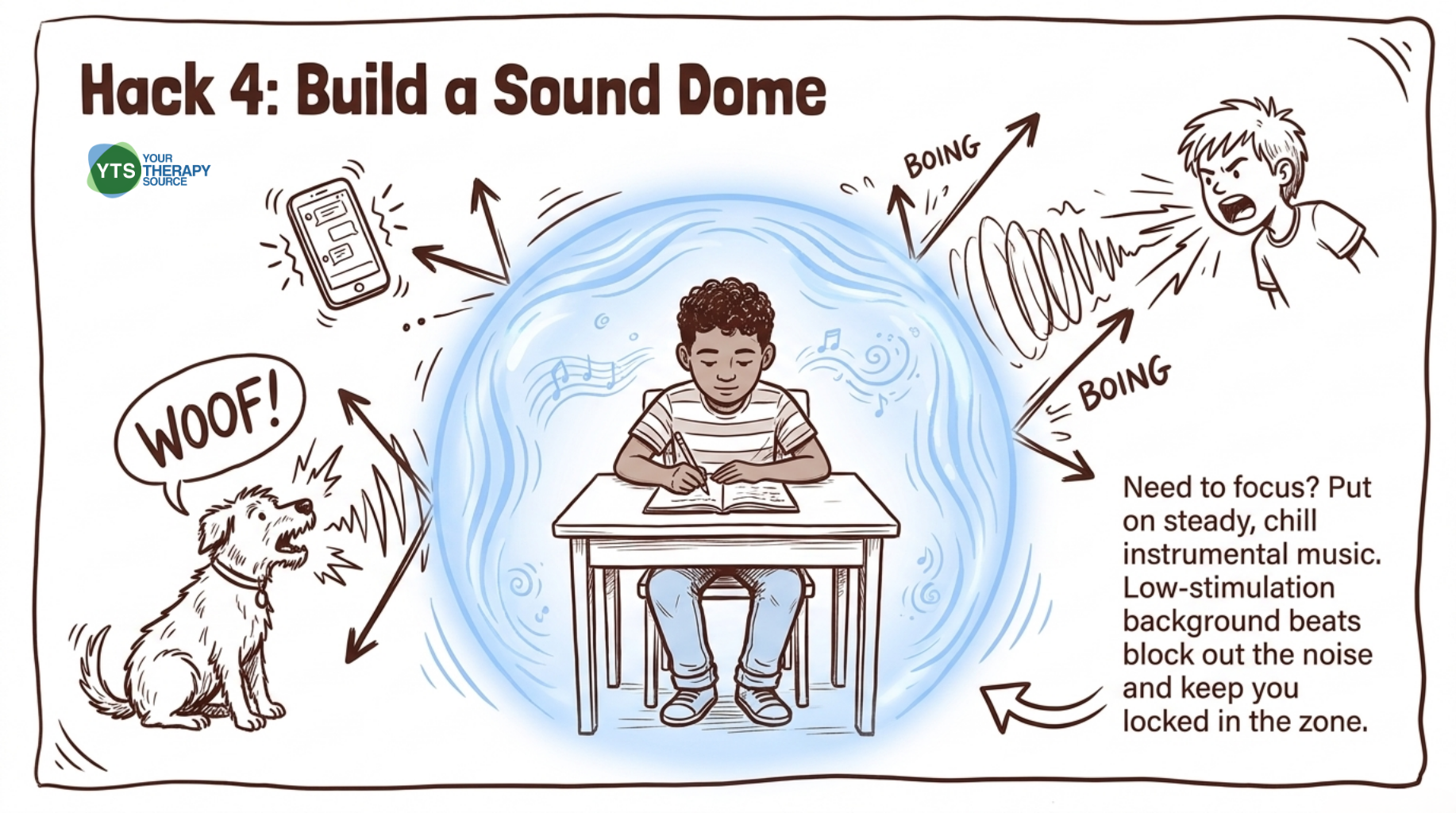
- Try music as a focus tool during independent work. Some children with ADHD may sustain attention more easily when there is consistent, low-stimulation background sound. Steady instrumental or rhythmic music may help reduce distractibility for some students during independent tasks, though responses to auditory input vary and should be observed individually.
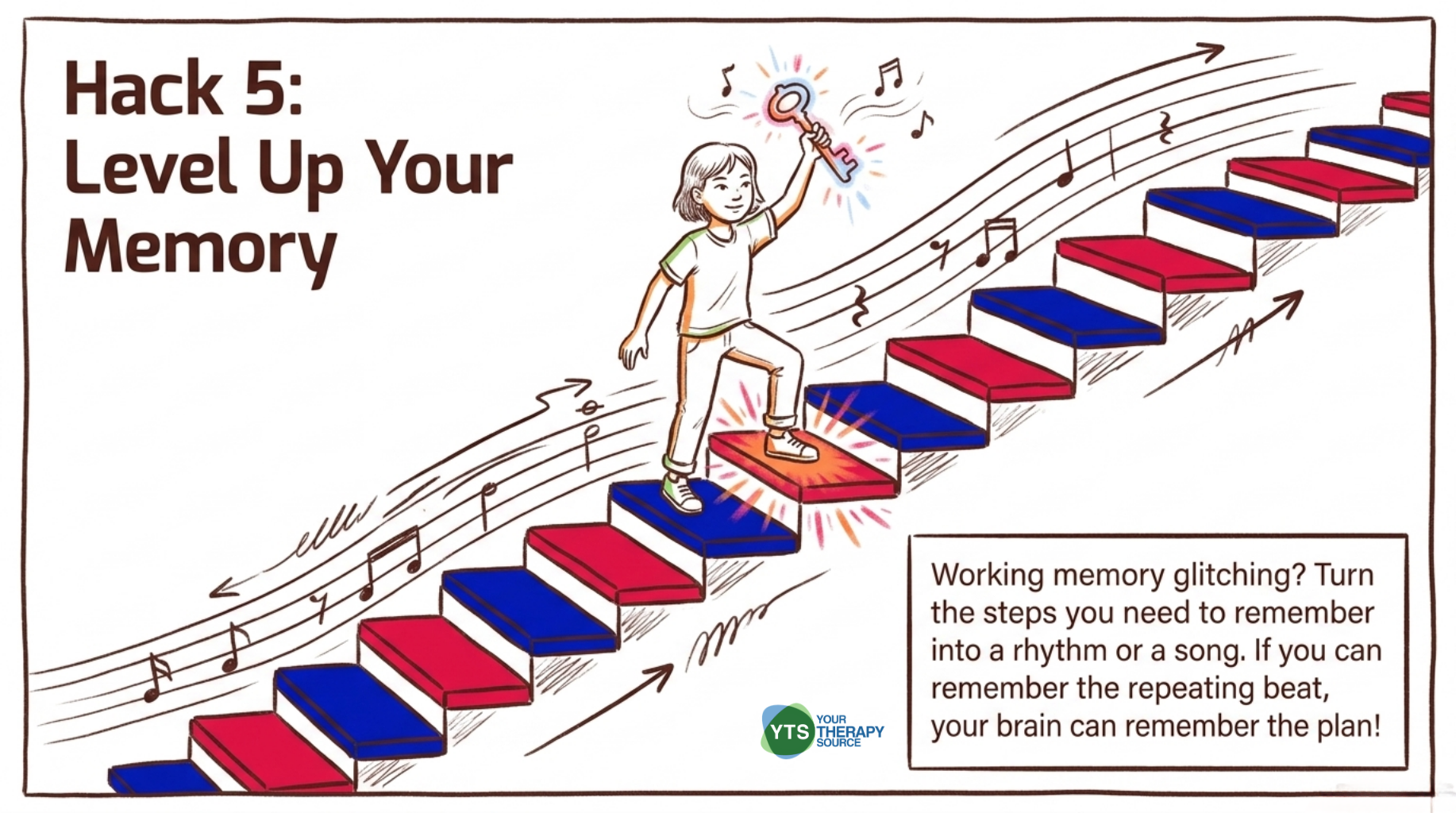
- Build sequencing skills through song and rhythm patterns. Songs with predictable, repeating sequences can support working memory and planning skills. Learning and repeating a rhythmic pattern requires a child to hold information in mind and execute steps in order, which directly engages the same executive function skills that are often challenging for children with ADHD.
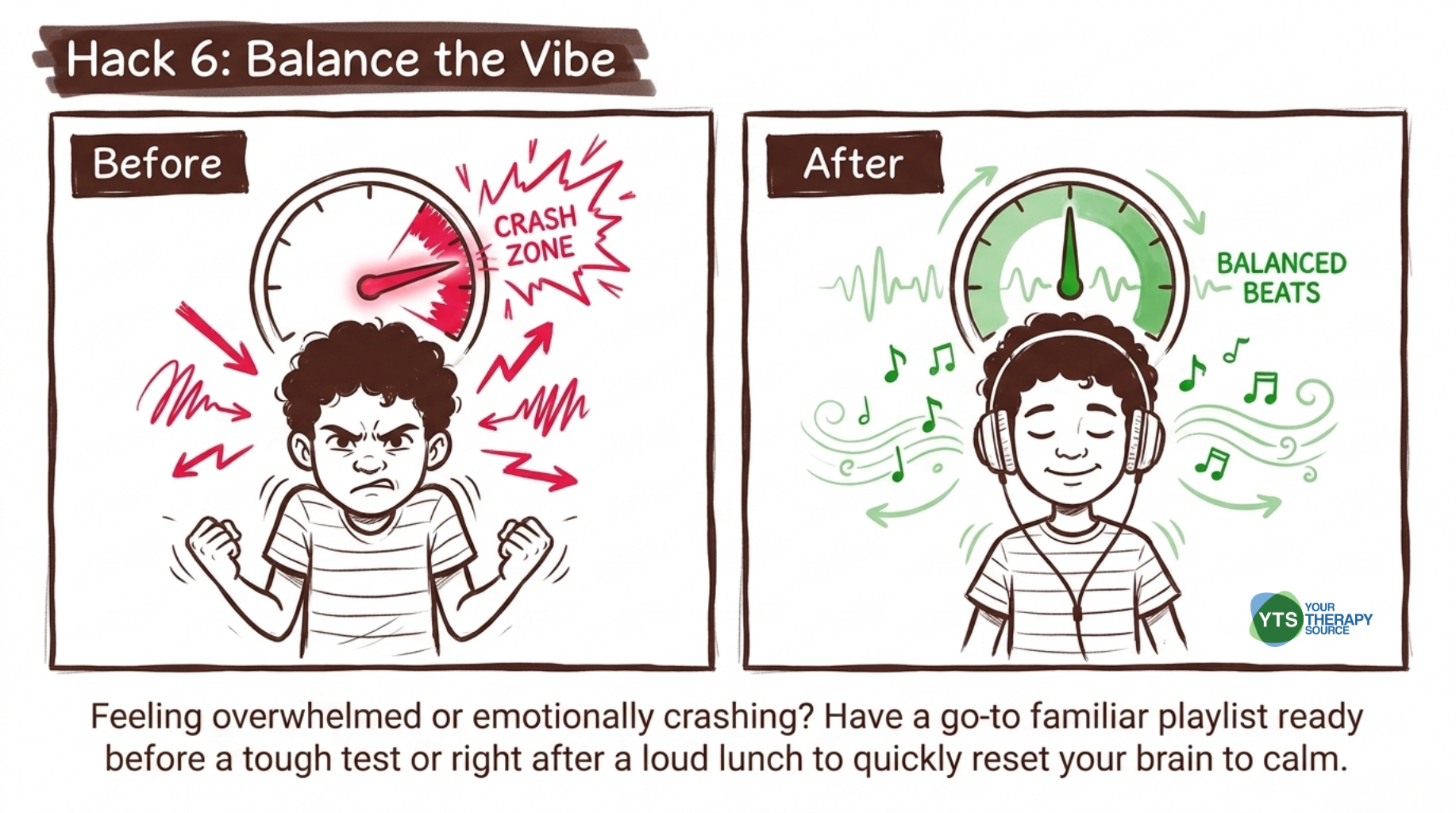
- Use music to support emotional regulation during the school day. The study highlighted that music-based activities may support emotional engagement alongside attention. Short, familiar music routines at predictable points in the day, such as at arrival, after lunch, or before a demanding task, may help students with ADHD settle and shift into a regulated state. For more on how emotional regulation connects to ADHD, visit ADHD and Emotional Dysregulation: What Does the Research Say?
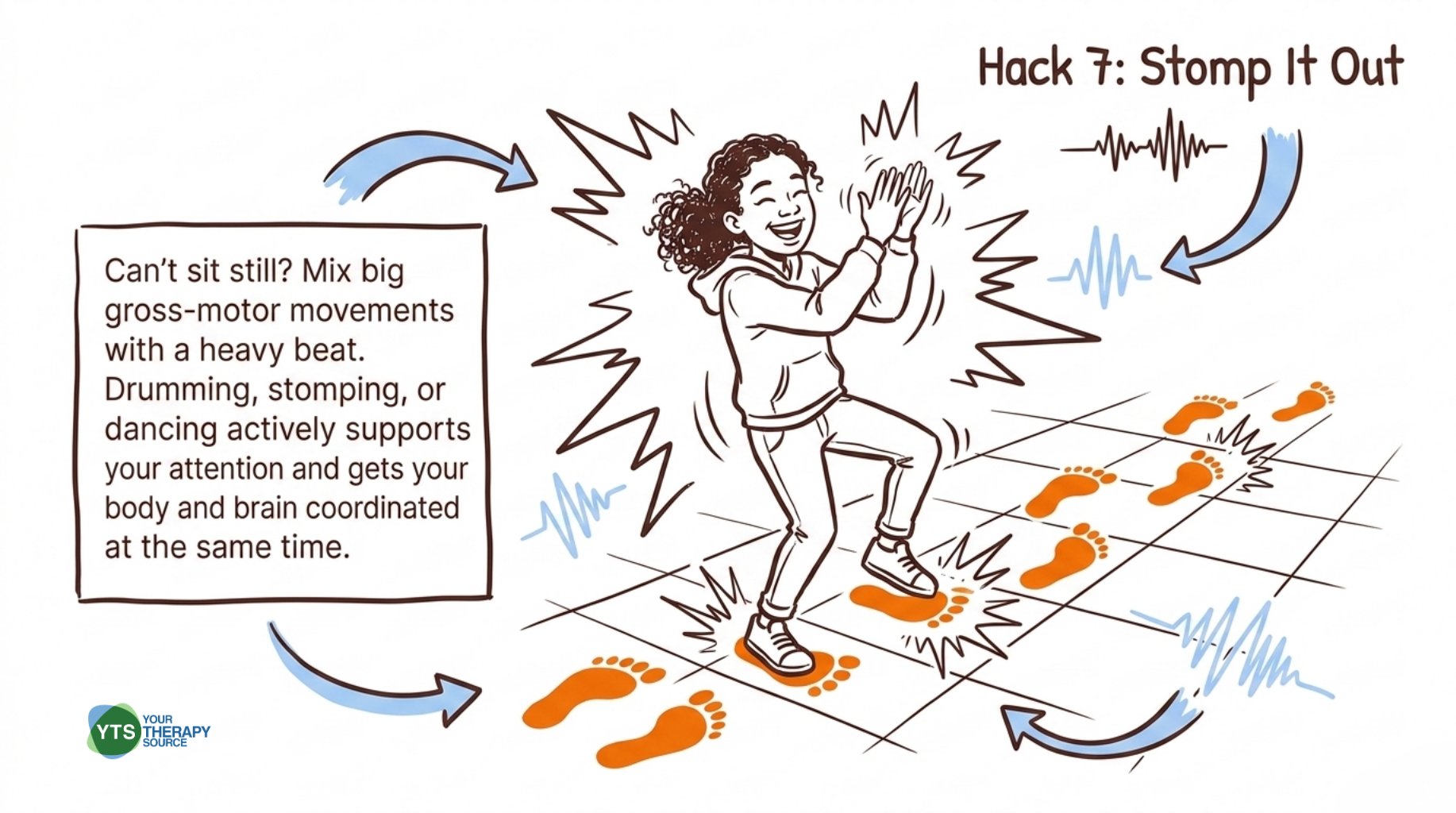
- Pair movement with music to support attention and motor skills. The research incorporated movement-based sensory tools alongside music. Combining rhythmic movement activities such as drumming, clapping, or stomping with gross motor tasks may support both attention and motor coordination for students with ADHD. Motor development and ADHD are closely connected, and rhythm-based movement may offer a motivating way to address both areas together.
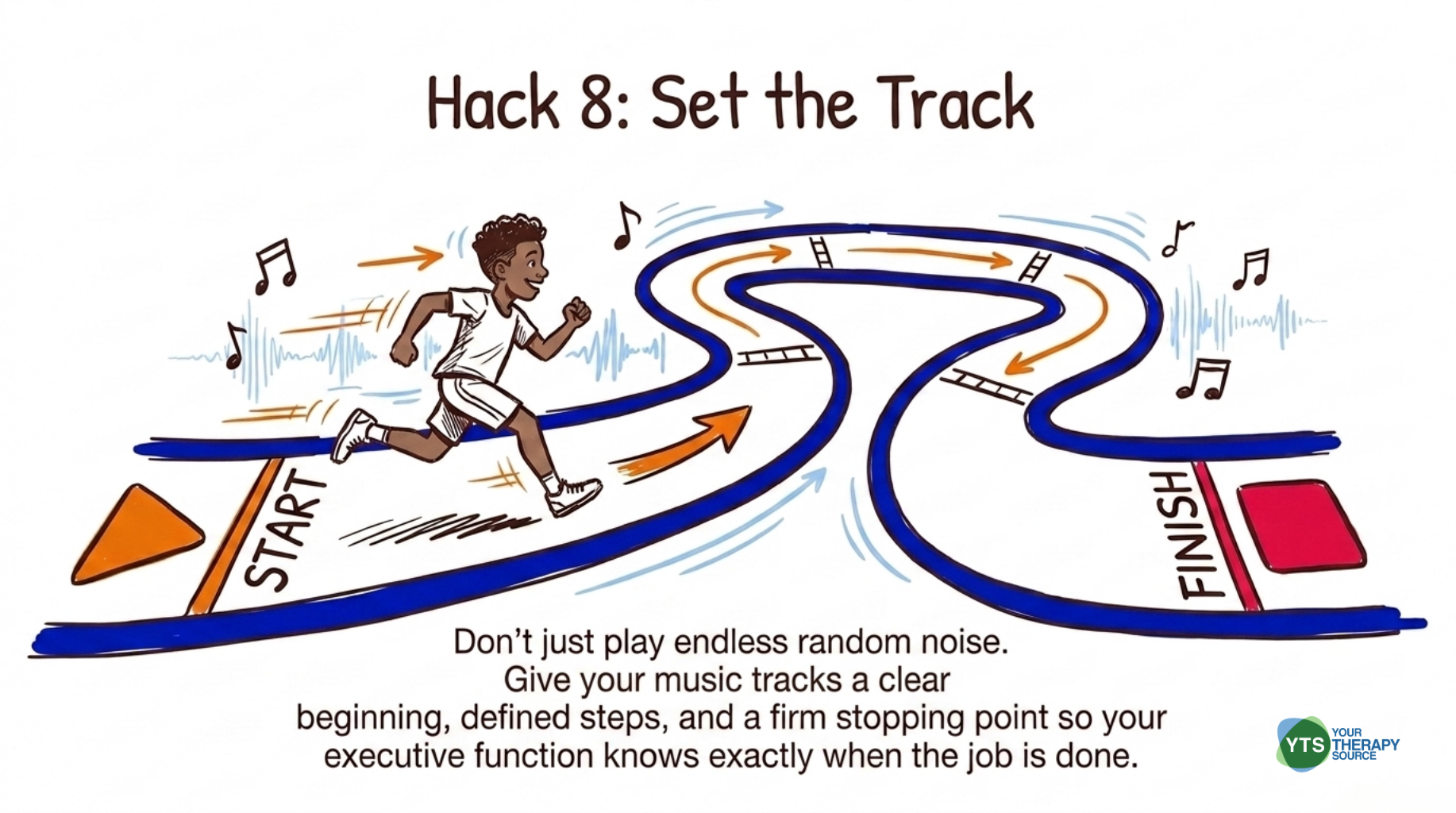
- Keep music-based activities structured and goal-directed. The gains seen in this study were associated with structured, purposeful use of music rather than free or open-ended play. When using music with students who have ADHD, framing the activity with a clear beginning, defined steps, and a predictable end point supports the executive function demands the activity is meant to address.
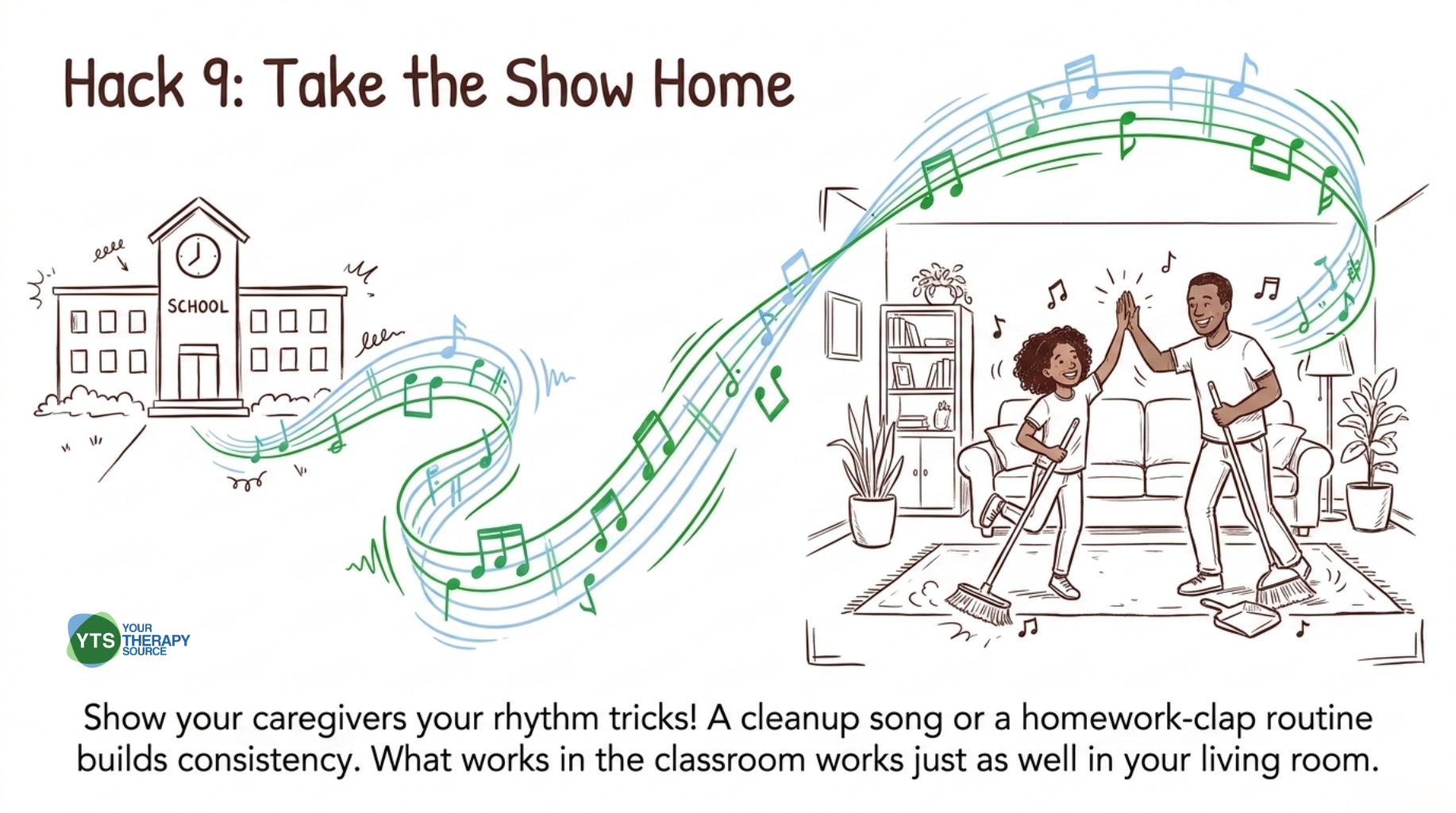
- Share simple music-based strategies with caregivers. The researchers noted that incorporating instruments and music into home routines may have reinforced gains made during sessions. School staff can suggest straightforward rhythm activities to families, such as a clapping routine before homework or a beat-based cleanup song, to support consistency and carryover across settings.
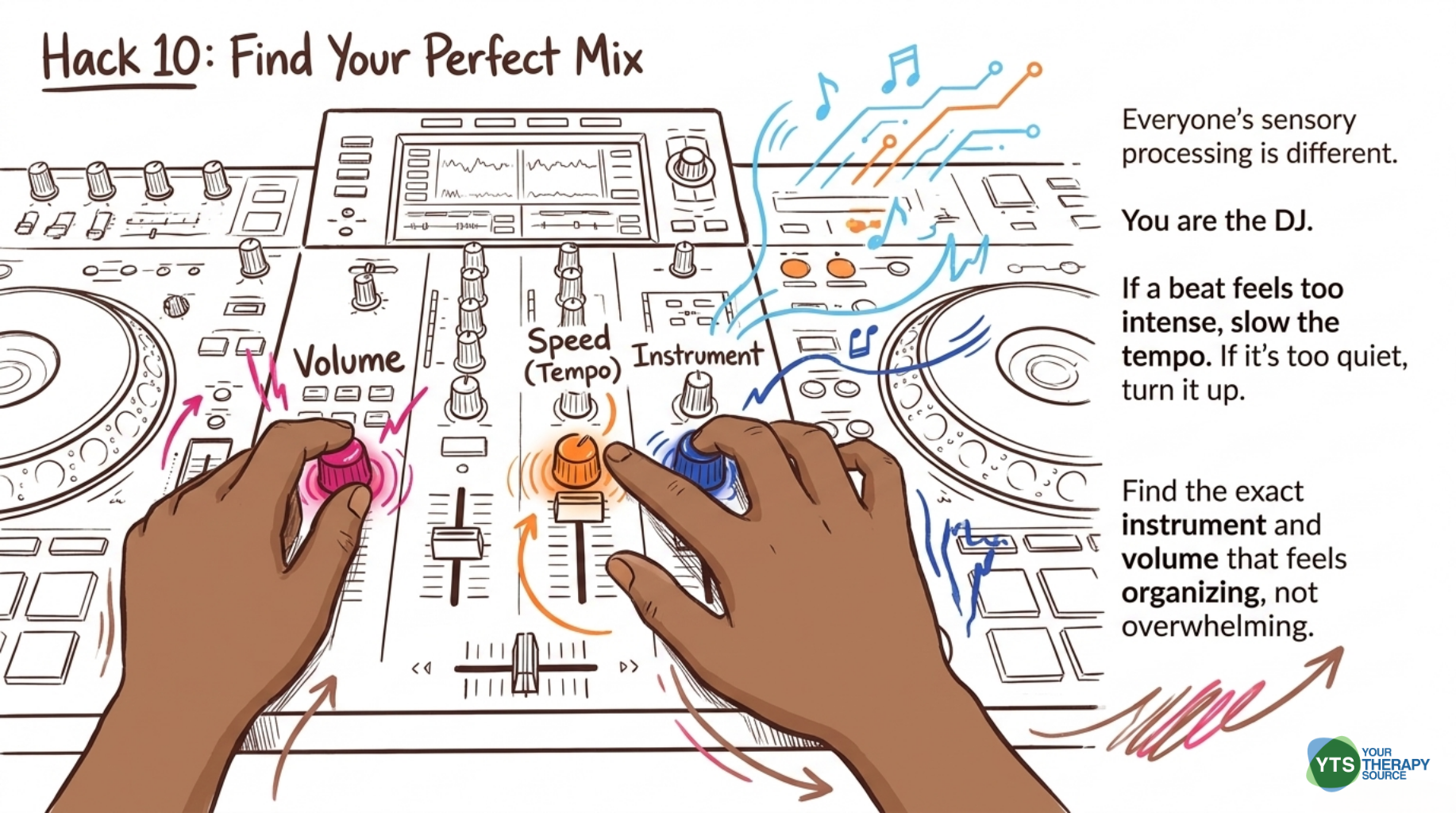
- Consider the sensory qualities of music when selecting activities. Children with ADHD often have individual sensory processing patterns that influence how they respond to auditory input. Volume, tempo, and the type of instrument or sound can all affect whether a music-based activity feels organizing or overwhelming for a particular student. Observing how a student responds and adjusting accordingly is an important part of using music effectively. For more background on this topic, visit Sensory Needs in ADHD.
CONCLUSION
This study provides preliminary evidence that music-based occupational therapy may offer some advantages over structured occupational therapy alone, particularly for attention regulation in children with ADHD. Both approaches were associated with improvements in attention, executive functioning, and caregiver burden over a six-week period, and the music-based approach showed a statistically greater benefit for attention specifically. These findings should be interpreted cautiously given the small sample and reliance on caregiver report.
For school-based practitioners and educators, the research offers a useful reminder that how an activity is structured, and what sensory and motivational qualities it carries, can matter as much as what the activity targets. Music-based strategies may be one more tool for school teams to consider when designing supports for students with ADHD who need meaningful, engaging pathways to build attention and executive function skills.
REFERENCES
Erarslan, I., Budak, M., & Tarakci, D. (2026). Effects of music-based occupational therapy activities on attention executive functions in children with attention deficit and hyperactivity disorder. PLoS One, 21(5), e0349284. https://doi.org/10.1371/journal.pone.0349284
DOWNLOAD YOUR FREE PDF OF THE 10 HACKS TO SUPPORT STUDENTS WITH ADHD USING MUSIC
Enter your email below to get the full 11 page PDF.