
Daily Living Skills In Adolescents With Autism
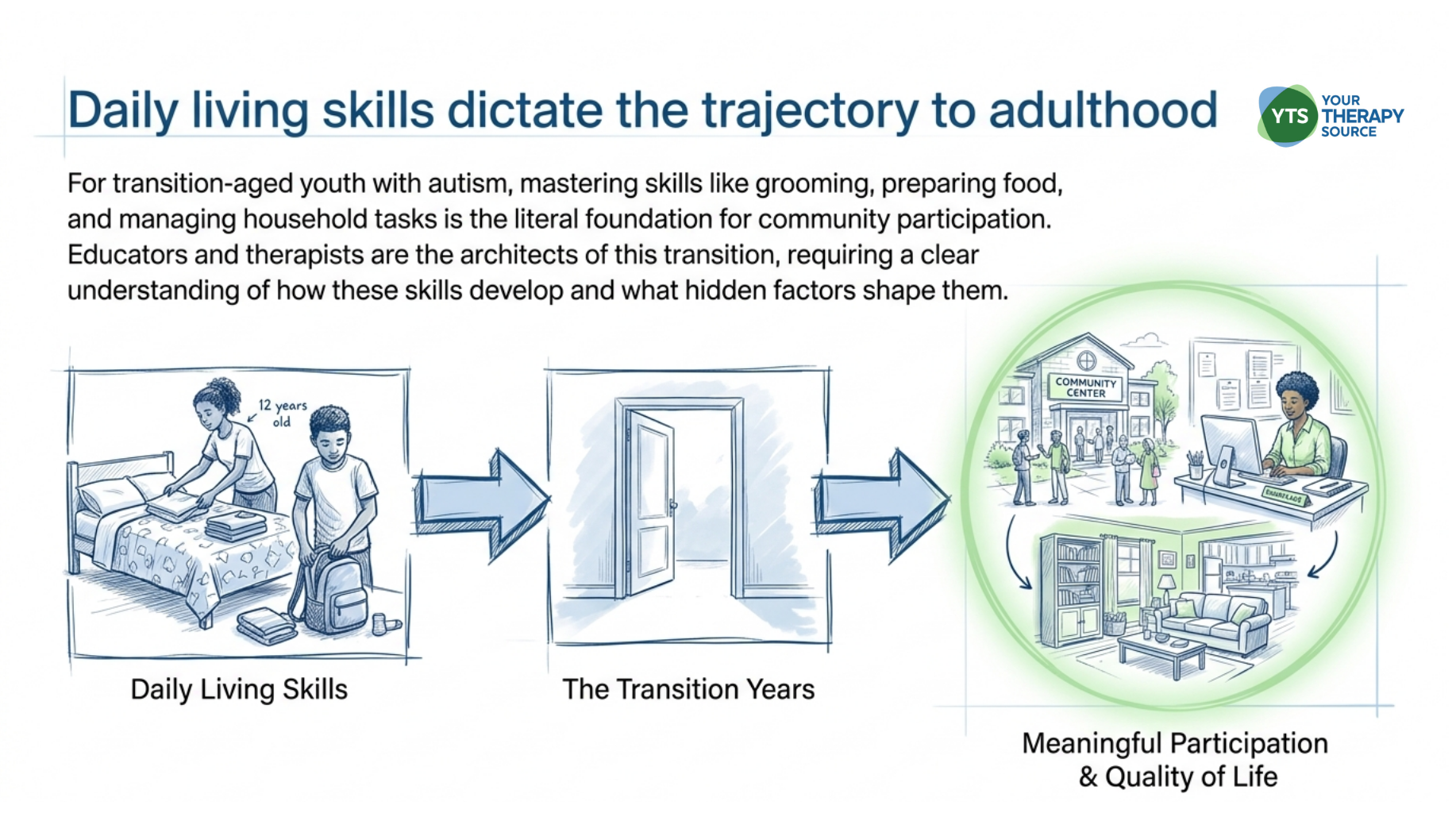
Daily living skills in adolescents with autism are closely connected to long-term independence and quality of life. Skills such as dressing, grooming, preparing food, and managing household tasks allow young people to participate more fully in home, school, and community settings. For educators and therapists supporting transition-aged youth, understanding how these skills develop and what shapes them is essential for planning meaningful support.
A recent longitudinal study examined how adolescents with autism compare to peers with other developmental disabilities and peers from the general population when it comes to independently performing daily tasks. The study also identified early childhood factors that may predict how many of these skills a young person acquires by adolescence. The findings offer useful context for school-based professionals who work with students across a range of abilities.
WHAT THE RESEARCH EXAMINED
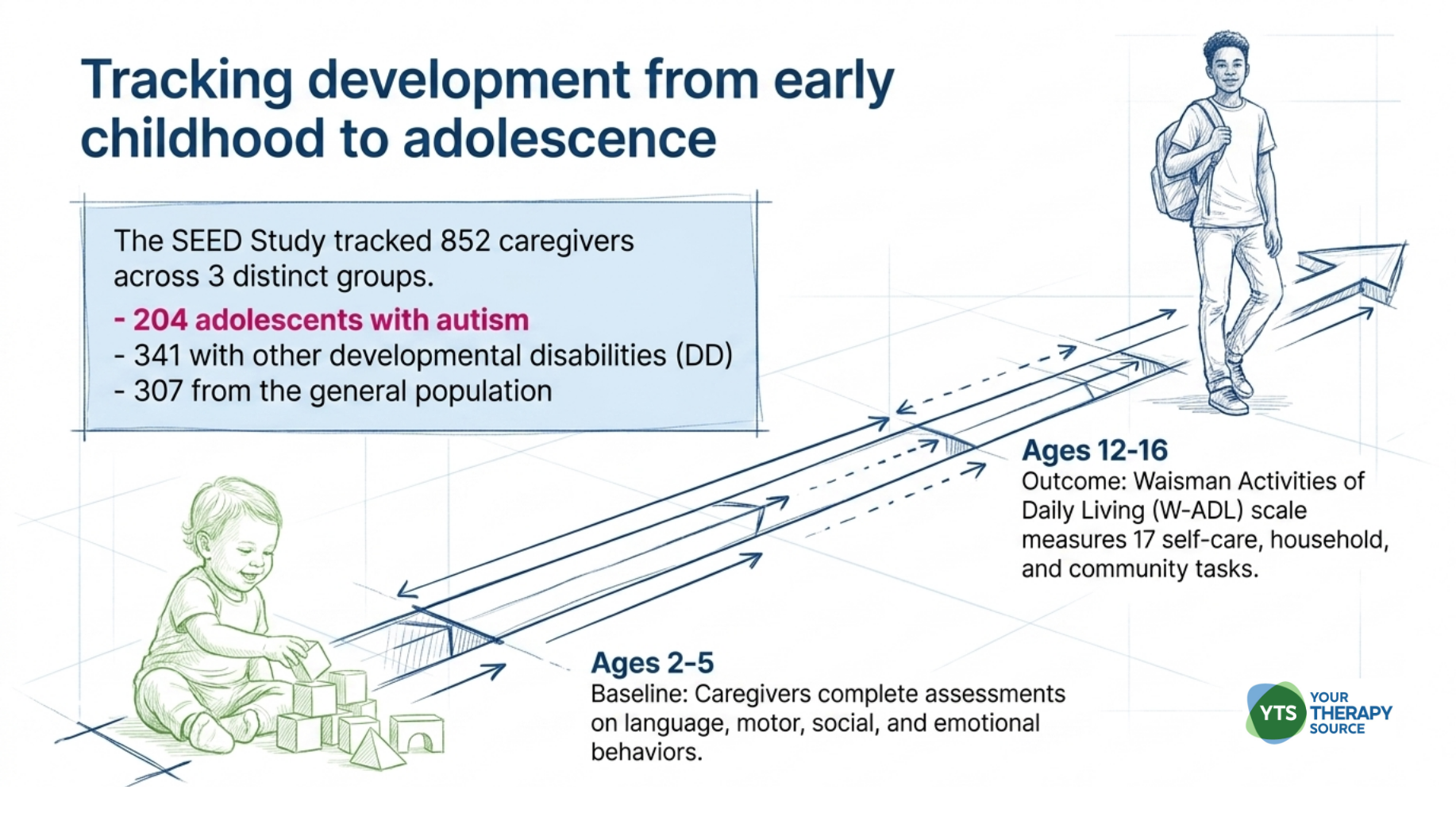
This study followed children originally enrolled in the Study to Explore Early Development (SEED) from early childhood through adolescence. Caregivers completed assessments when children were between ages 2 and 5, and again when adolescents were between ages 12 and 16. Researchers compared daily living skill performance across groups and used a data-driven modeling approach to identify which early childhood characteristics predicted outcomes in adolescence.
Key study details:
- 852 caregivers of adolescents across 3 groups participated: 204 adolescents with autism, 341 with other developmental disabilities, and 307 from the general population
- Early childhood measures included expressive and receptive language, fine motor skills, visual reception, social behavior, and emotional and behavioral functioning
- Daily living skills in adolescence were measured using the Waisman Activities of Daily Living scale, a 17-item caregiver-reported questionnaire covering self-care, household tasks, meal preparation, and community activities
KEY FINDINGS FROM THE RESEARCH
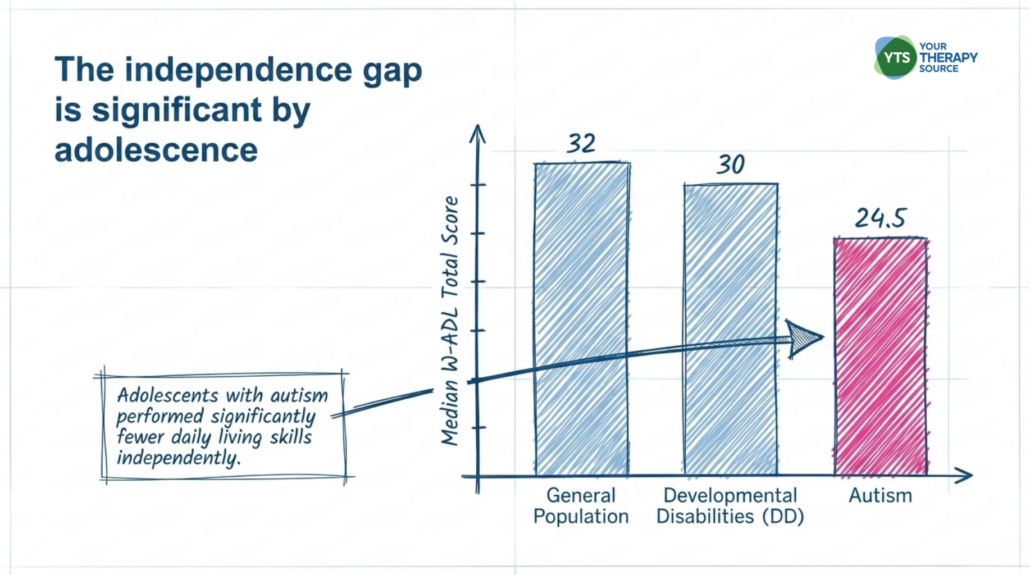
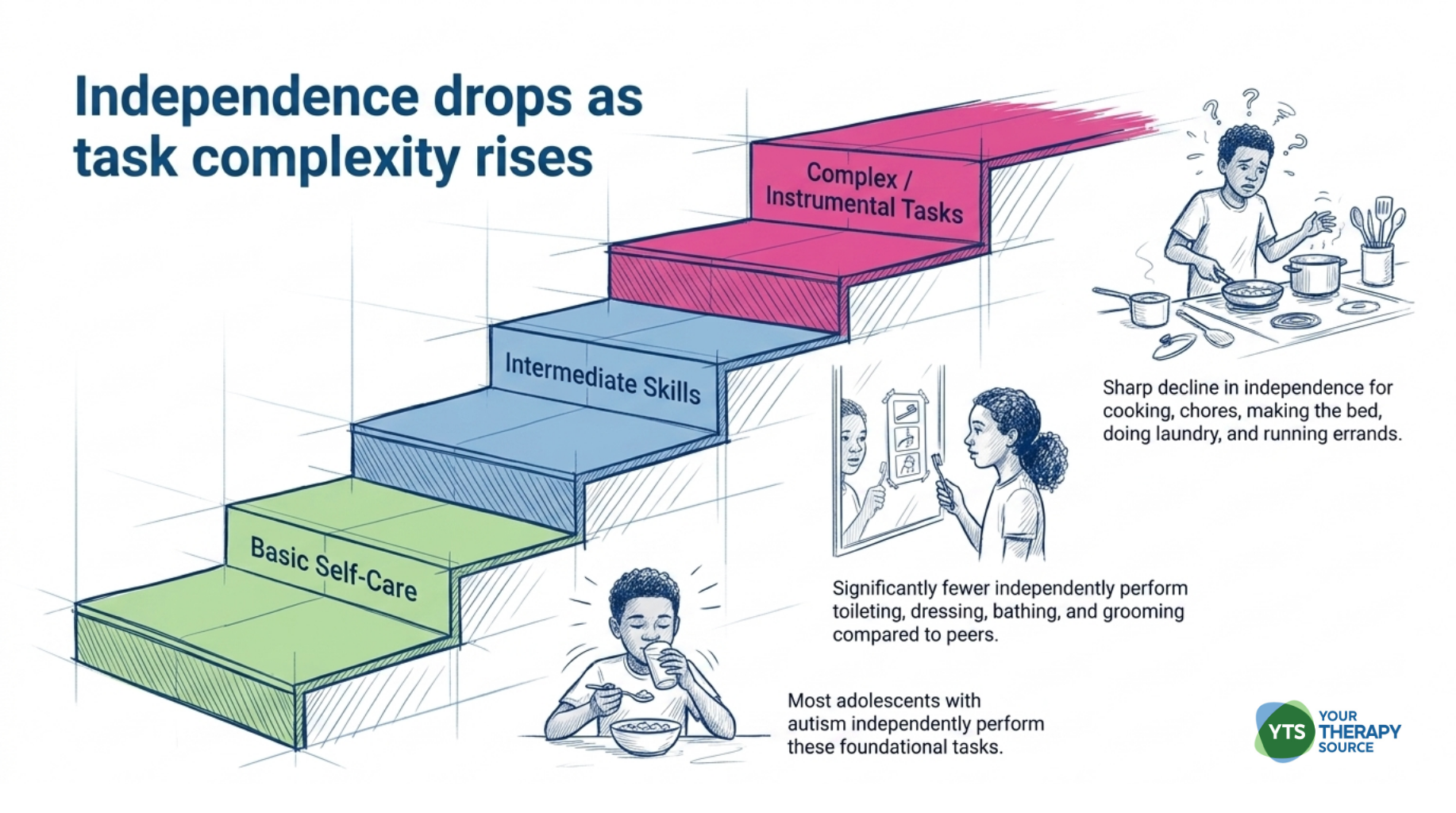
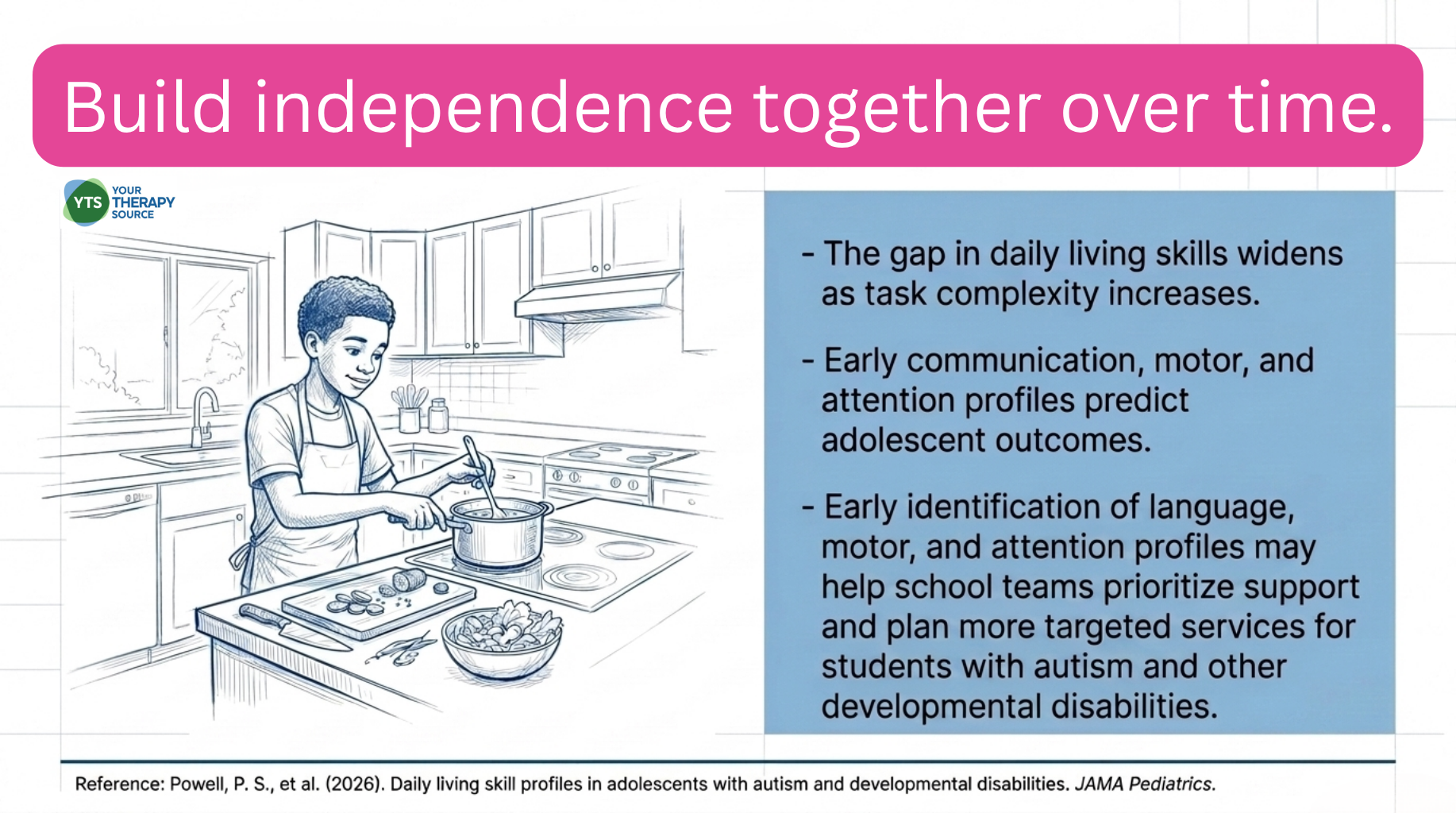
Overall, adolescents with autism performed fewer daily living skills independently compared to both the DD and general population groups, with differences becoming more pronounced as task complexity increased.
Specific findings include:
- Adolescents with autism had significantly lower W-ADL total scores (median 24.5) compared to the DD group (median 30) and the general population group (median 32)
- Most adolescents with autism independently performed basic self-care tasks such as eating and drinking, but significantly fewer independently performed toileting, dressing, bathing, and grooming compared to both comparison groups
- Adolescents with autism were significantly less likely to independently perform complex or instrumental skills such as simple cooking, setting the table, doing chores, making the bed, washing dishes, simple food preparation, laundry, home repairs, running errands, and preparing a complete meal
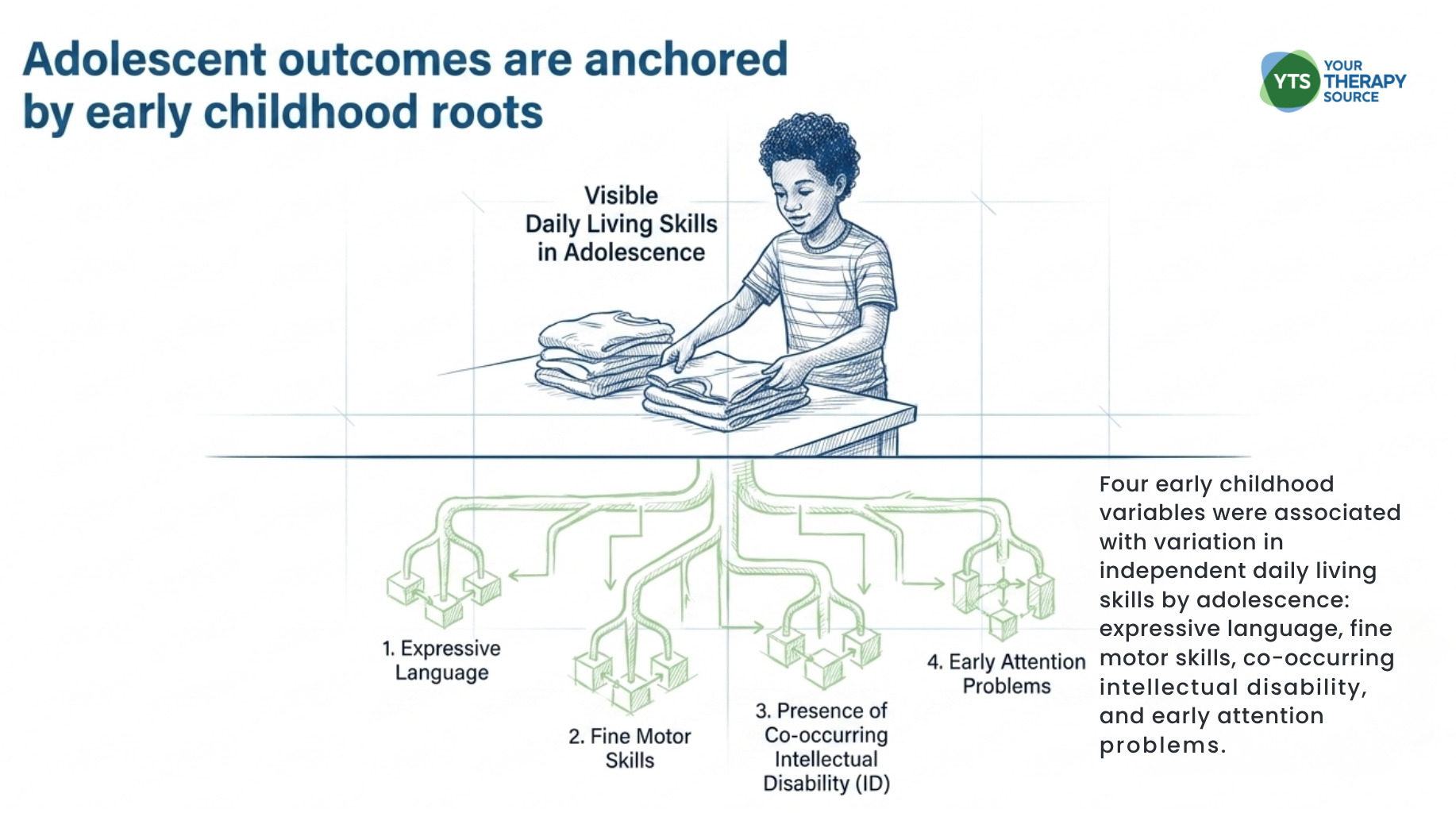
- Among adolescents with autism and other DD, a data-driven decision tree identified four early childhood variables as the strongest predictors of independent daily living skill performance: expressive language, fine motor skills, presence of co-occurring intellectual disability, and early attention problems
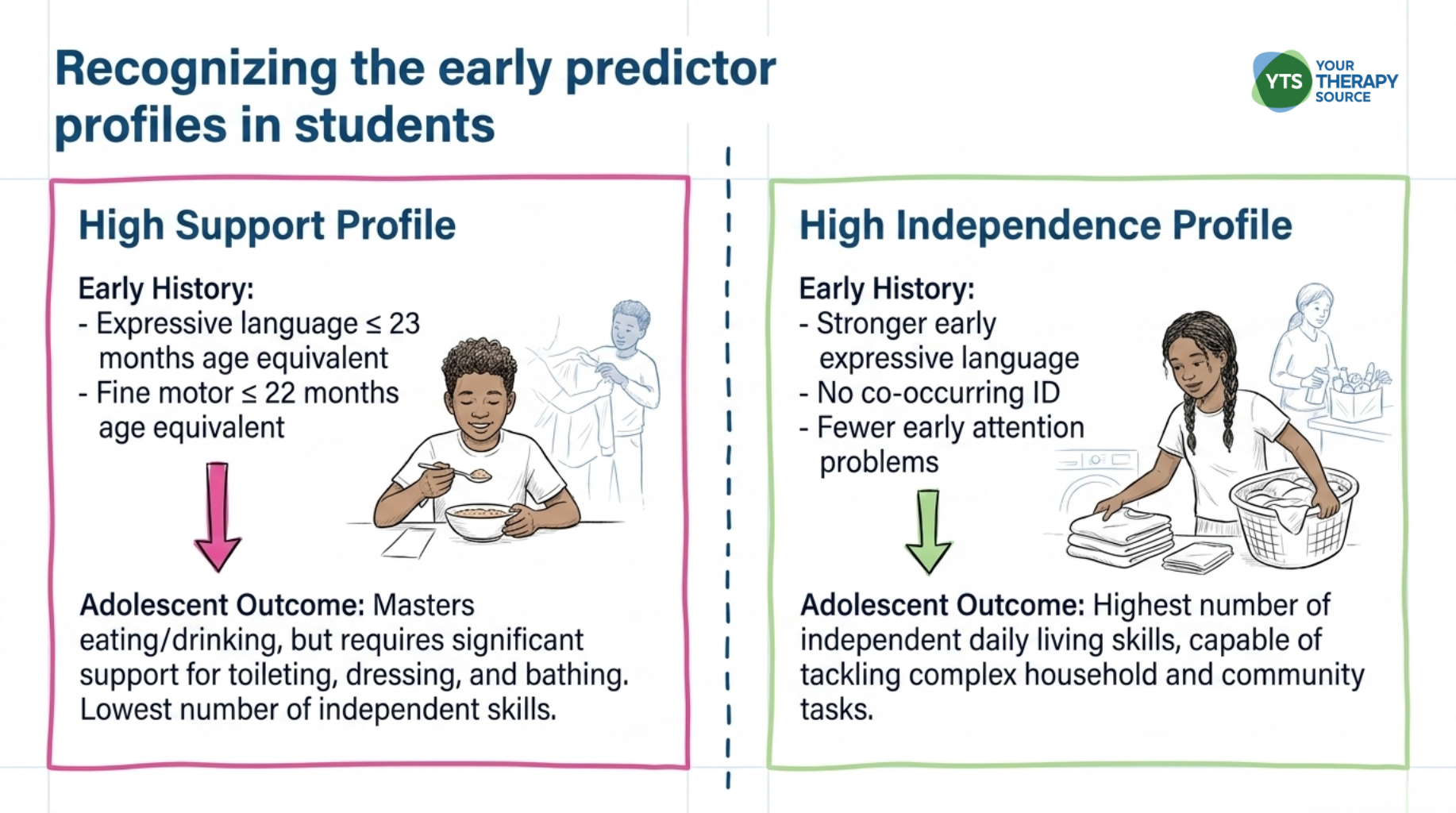
- Adolescents with the lowest number of independent skills had lower expressive language (at or below 23 months age equivalent) and lower fine motor skills (at or below 22 months age equivalent) in early childhood; most could eat and drink independently but few could independently toilet, dress, or bathe
- Adolescents with stronger early expressive language, no co-occurring intellectual disability, and fewer early attention problems had the highest number of independent daily living skills in adolescence
WHY THESE FINDINGS MATTER FOR SCHOOL-BASED PRACTICE
These findings provide school-based professionals with a clearer picture of which daily living skills adolescents with autism are most and least likely to perform independently, and what early characteristics may be associated with those outcomes. Understanding this variability can help teams set more realistic, individualized goals and identify areas where structured support may be especially beneficial.
Key points for school-based practice:
- Daily living skill gaps in adolescents with autism are not limited to complex tasks; many students also need support with foundational self-care skills such as dressing, bathing, and grooming
- Skill performance tends to decrease as task complexity increases, meaning students who manage basic self-care may still need significant support with household and community tasks
- Early expressive language, fine motor development, and attention functioning are associated with daily living skill outcomes, which connects to the work therapists and educators do with young children in school settings
This research reinforces the importance of addressing daily living skills and young children with autism early and consistently, before the transition years arrive.
IMPLICATIONS FOR SCHOOL STAFF
This research suggests that a student’s current daily living skill profile is shaped by a combination of factors that may have roots in early childhood. School staff who are familiar with a student’s history in areas like language, fine motor development, and attention may be better positioned to understand why certain skills have or have not been acquired.
Staff may notice that students with greater daily living skill needs:
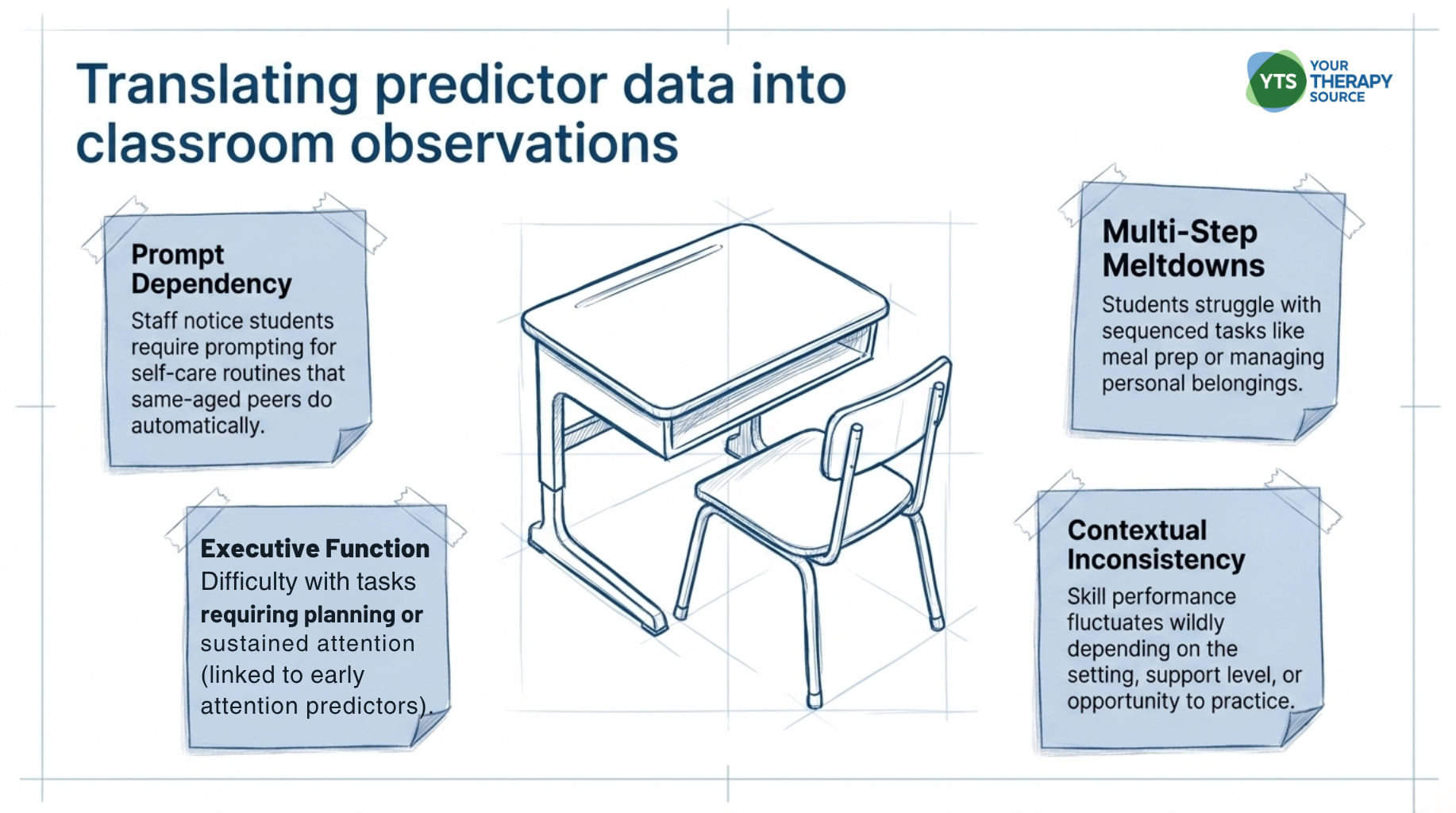
- Require prompting or assistance with self-care routines that same-aged peers complete independently
- Struggle with multi-step tasks like meal preparation, laundry, or managing personal belongings
- Have difficulty with tasks that require planning, sequencing, or sustained attention
- May be inconsistently performing skills depending on the setting, level of support available, or opportunity to practice
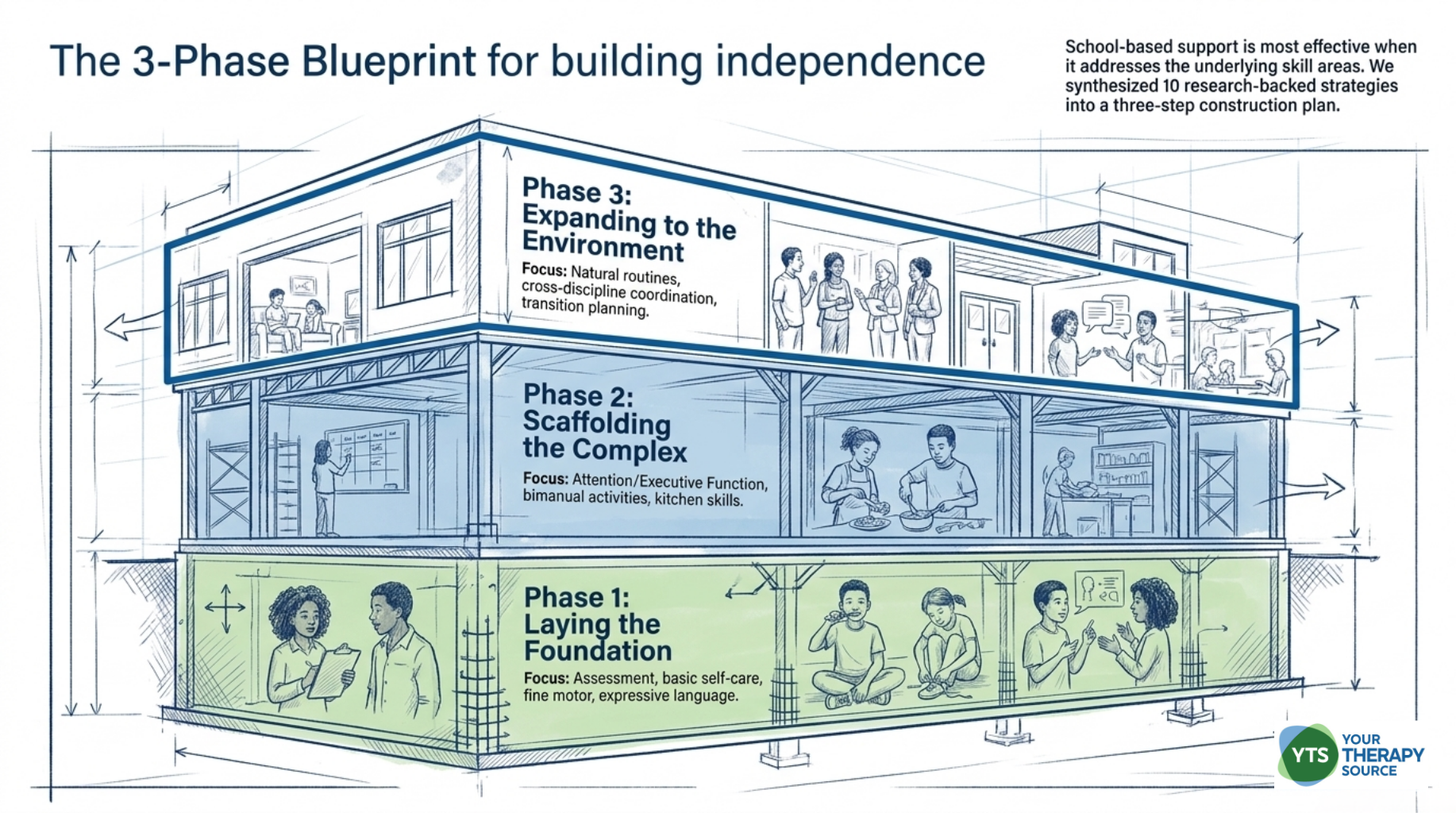
School-based support for daily living skills is most effective when it addresses the underlying skill areas that contribute to independence, including fine motor abilities, communication, and self-regulation. Building daily living skills goals and objectives into individualized education programs allows teams to target these areas in a coordinated, functional way.
10 PRACTICAL STRATEGIES OR CONSIDERATIONS
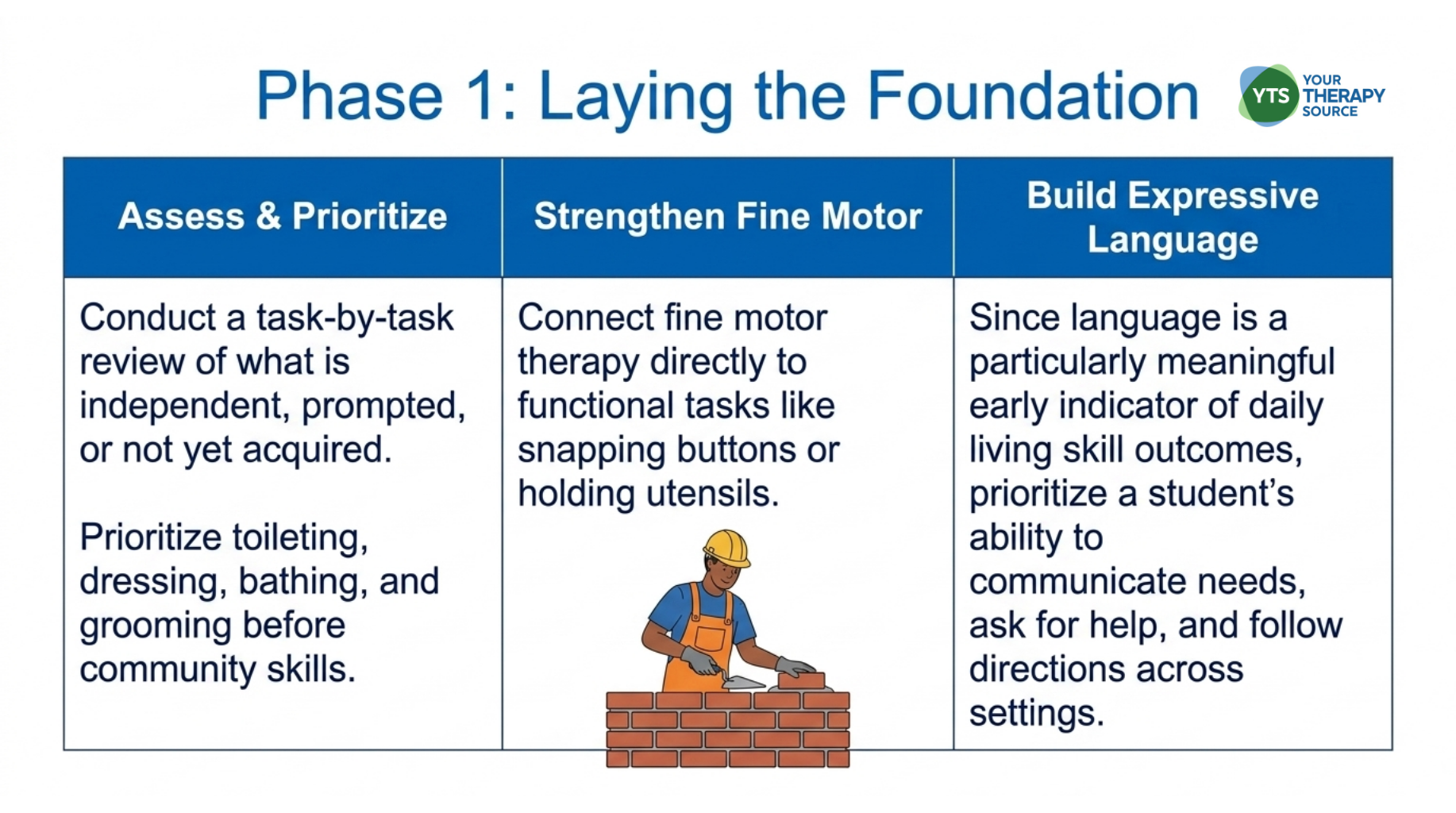
- Assess where each student currently falls on the continuum of daily living skills. The study found wide variability in skill performance, even among adolescents with the same diagnosis. A task-by-task review of what a student can do independently, with help, or not yet, provides a useful starting point for planning.
- Prioritize foundational self-care skills before moving to more complex tasks. The research found that skills like toileting, dressing, bathing, and grooming were performed independently by fewer adolescents with autism compared to peers. Teams supporting students who have not yet mastered these basics may want to address them before focusing on household or community skills. The Special Needs Toilet Training Handouts can be a useful resource for staff working on this specific skill area.
- Recognize that fine motor skills may be foundational to daily living skill development. The study identified early fine motor abilities as one of the strongest predictors of independent daily living skill performance. School-based therapists can consider how fine motor support connects directly to tasks like dressing, grooming, food preparation, and household tasks.
- Support expressive language as a foundation for daily task learning. The research identified early expressive language as the first variable to differentiate subgroups in its decision tree modeling, suggesting it may be a particularly meaningful early indicator of daily living skill outcomes. Students who can communicate their needs, ask for help, and follow and give verbal directions may have an advantage in learning and generalizing daily living skills across settings.
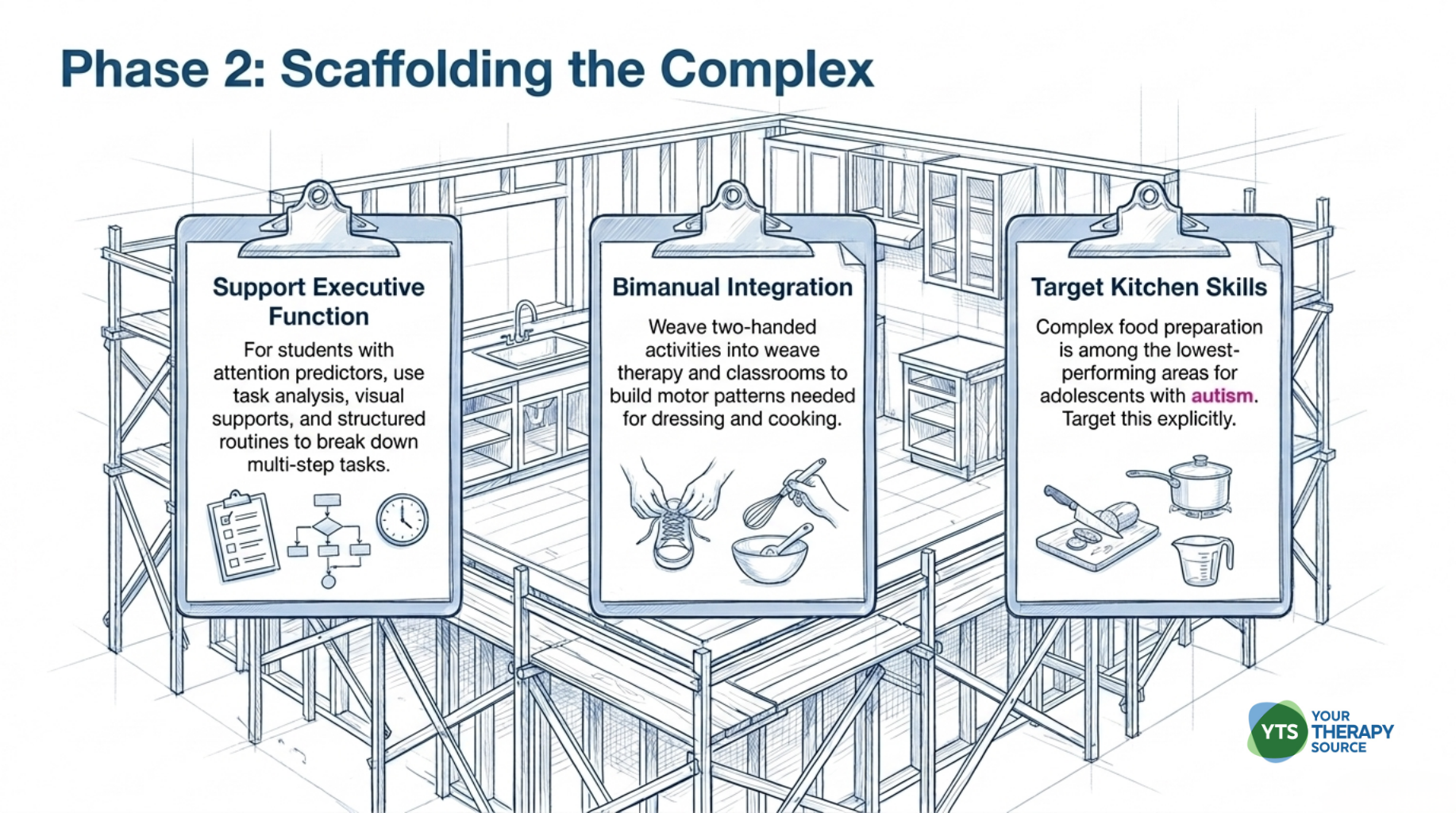
- Consider how attention and executive function affect skill performance. The study found that early attention problems were associated with lower independent daily living skill performance, particularly for more complex tasks. Students who struggle with planning, organization, or sustained attention may need task analysis, visual supports, or structured routines to access more complex skills.
- Use bimanual and hands-on activities to build relevant skills. Many daily living tasks require coordinated use of both hands. Bimanual activities for daily living can be woven into therapy sessions and classroom routines to build the motor patterns students need for dressing, food preparation, and household tasks.
- Incorporate kitchen and meal preparation skills for older students. The research found that complex food preparation tasks were among the least independently performed skills in adolescents with autism. For transition-aged students, targeting kitchen skills is especially meaningful. The Kitchen Skills Success Packet offers structured support for building these abilities step by step.
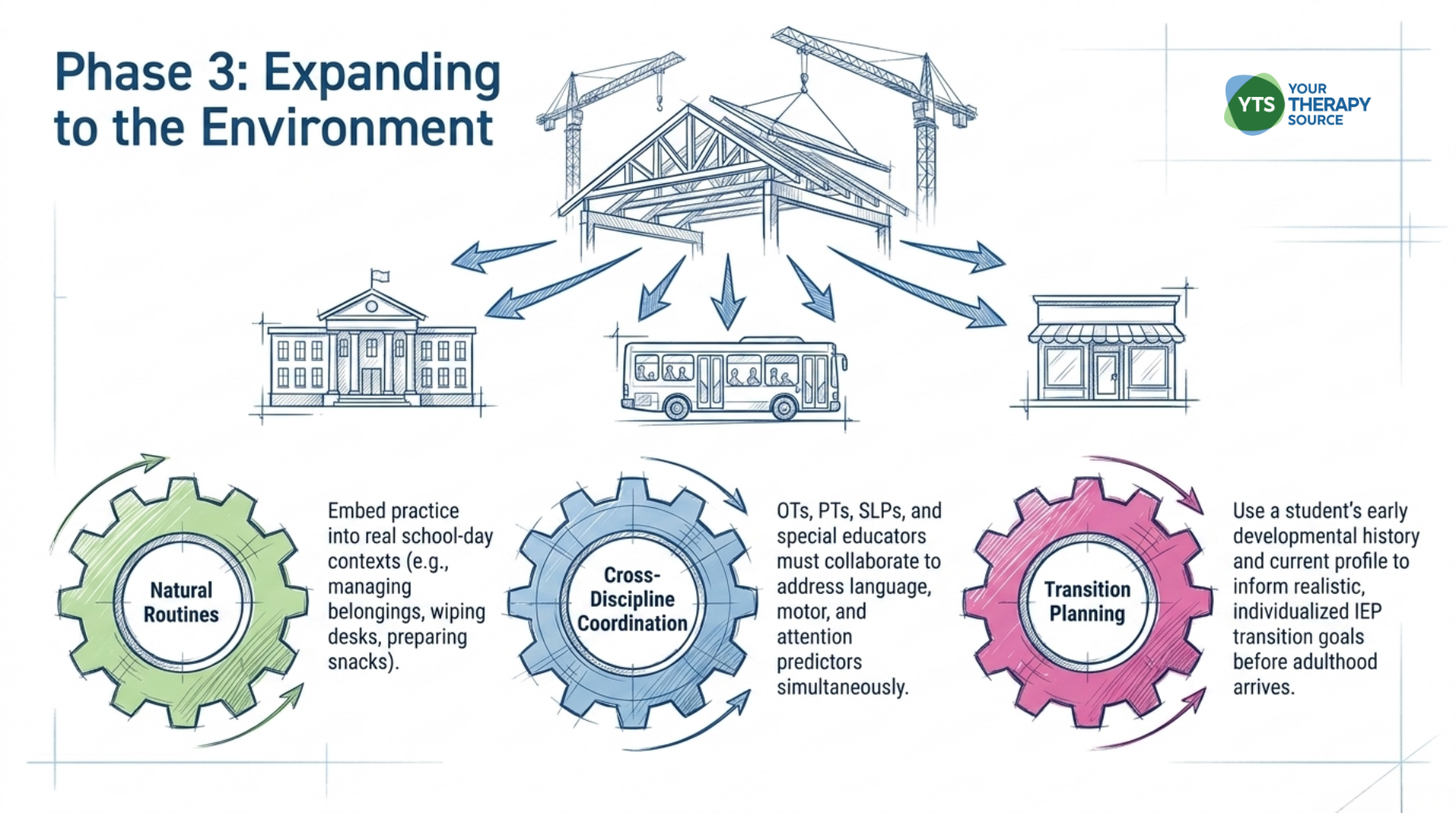
- Embed skill practice in natural routines throughout the school day. Skills are more likely to generalize when practiced in real contexts. Opportunities such as managing belongings, wiping down a desk, washing hands thoroughly, or preparing a simple snack can be built into the school day to reinforce independence in meaningful ways.
- Coordinate across disciplines when planning daily living skill supports. Occupational therapists, physical therapists, speech-language pathologists, and special educators each contribute to the areas identified as predictors in this study. A collaborative approach that addresses language, motor, and attention needs together allows teams to respond to the full range of factors the research identified as relevant to daily living skill development.
- Use early skill profiles to inform transition planning. The research found that early childhood characteristics were associated with daily living skill outcomes in adolescence. For school teams, this underscores the value of reviewing a student’s developmental history and current skill profile when planning transition goals. Resources like this overview of daily living skills in adolescents with autism can help staff build background knowledge as they plan for transition-aged students.
CONCLUSION
This longitudinal study found that adolescents with autism performed fewer daily living skills independently compared to adolescents with other developmental disabilities and peers from the general population. The gap widened as task complexity increased. Among adolescents with autism and other developmental disabilities, early expressive language, fine motor skills, presence of co-occurring intellectual disability, and early attention problems were the strongest predictors of how many daily living skills a student independently performed by adolescence.
For school-based professionals, these findings support a proactive, multi-component approach to daily living skill development. Understanding where a student is developmentally in areas like communication, motor function, and attention can help teams design supports that are appropriately targeted and timed. Starting this work early, building on strengths, and collaborating across disciplines gives students the best chance of developing the independence they will need in adulthood.
REFERENCES
Powell, P. S., Cronin-Golomb, L. M., Wiggins, L. D., Alexander, A., Reyes, N. M., Nadler, C., Wise, E., Durkin, M. S., Thompson-Paul, A., & Maenner, M. (2026). Daily living skill profiles in adolescents with autism and developmental disabilities. JAMA Pediatrics. https://doi.org/10.1001/jamapediatrics.2026.1306

