
Interoception And Occupational Therapy Pediatric Practice
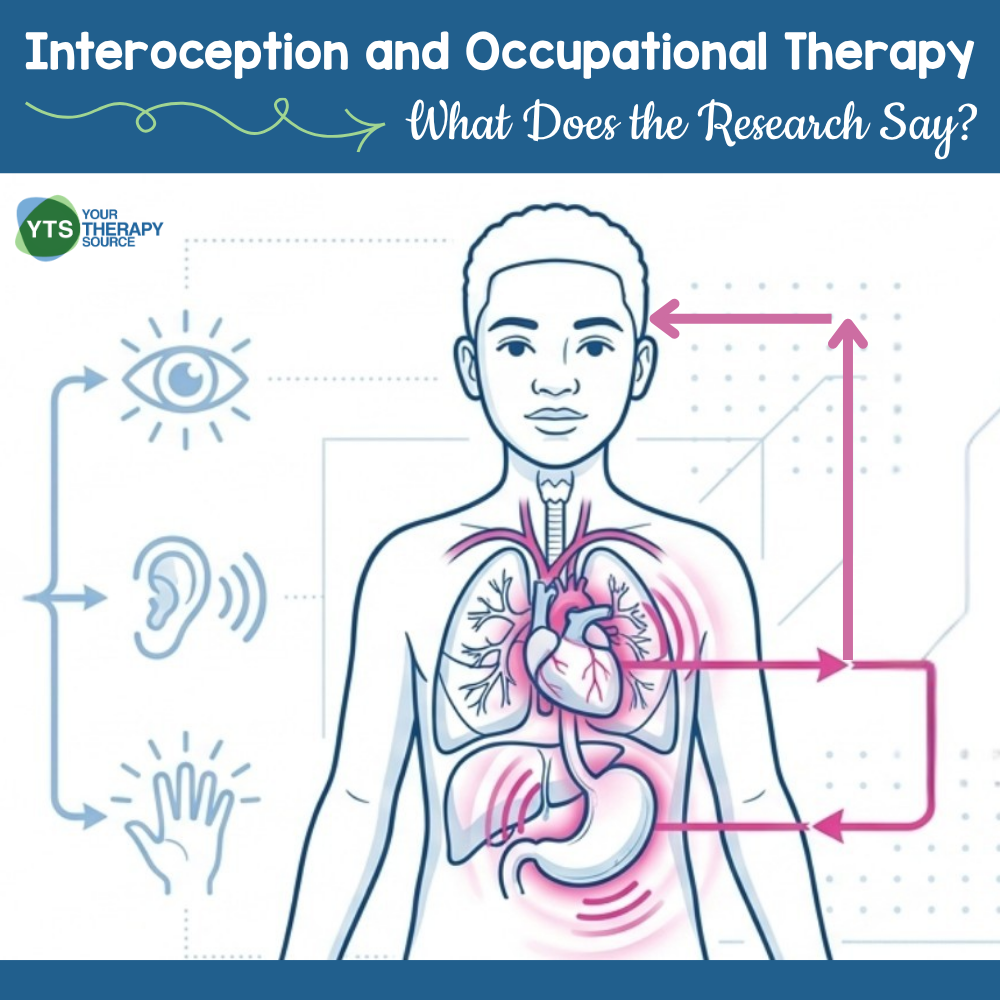
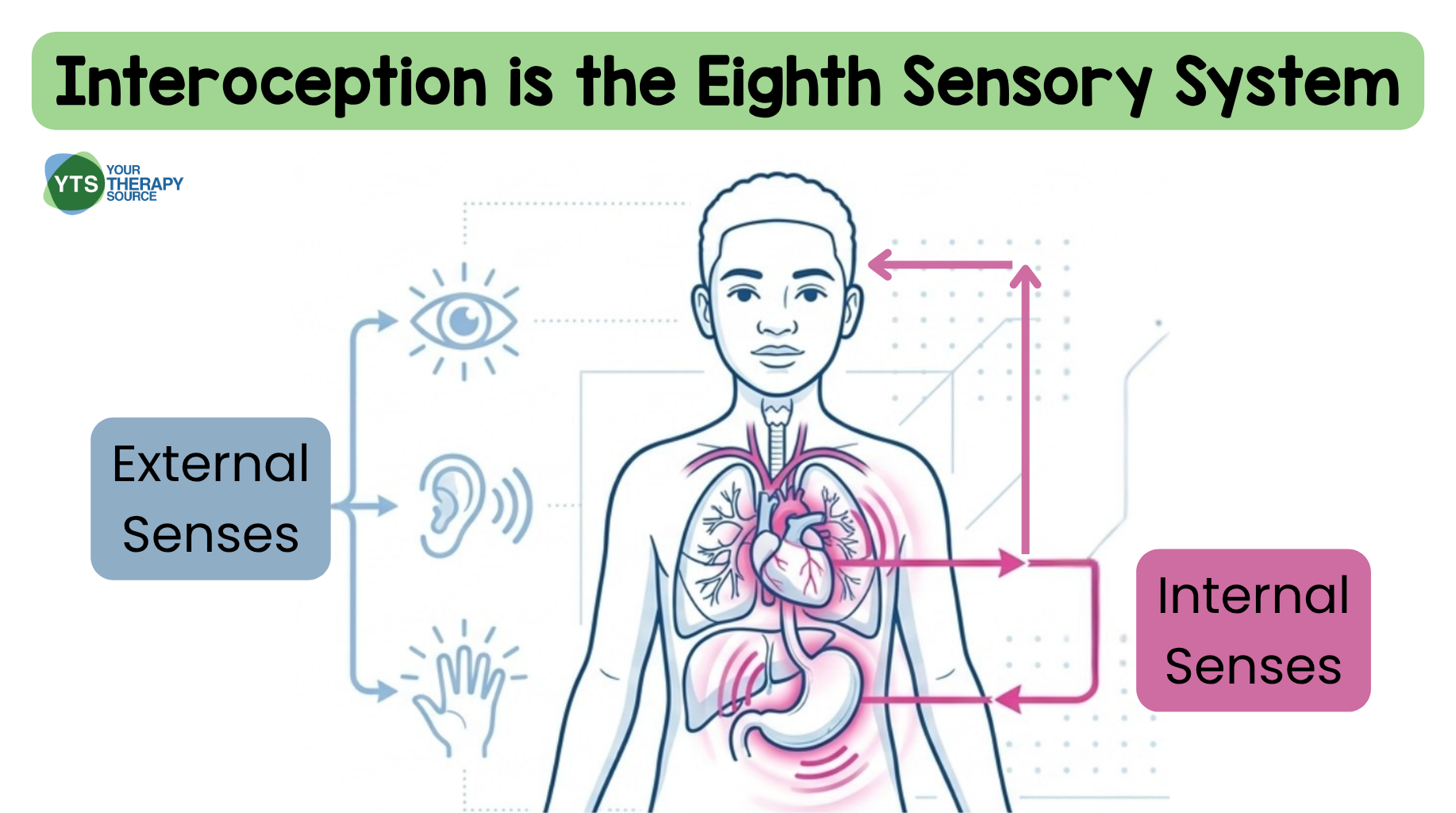
Interoception and occupational therapy pediatric practice are increasingly connected in the research literature. Interoception is the ability to sense internal body signals, such as a racing heart, an empty stomach, or the need to use the restroom. When children have difficulty noticing or making sense of these signals, it may affect how they regulate their emotions, engage in daily activities, and participate in meaningful occupations.
A 2025 scoping review by Clark, Brown, and Yu examined the current body of published literature on interoception within pediatric occupational therapy practice. The review found that while clinicians are beginning to integrate interoception concepts into their work with children, the evidence base is still developing. For school-based occupational therapists, educators, and related service providers, understanding what the research does and does not yet show can support more informed decision-making when considering interoception as part of a child’s overall participation profile.
WHAT THE RESEARCH EXAMINED
This scoping review set out to map the existing published literature on interoception as it applies to pediatric occupational therapy practice. The researchers wanted to understand how interoception theory is being used, what assessment tools are available, and what intervention programs exist for children.
Study snapshot:
- 18 articles were included after screening 2,402 records across 10 electronic databases and grey literature sources, with literature published between 2013 and 2023
- Sources included peer-reviewed research articles, published books, theses, opinion pieces, and one government document, originating primarily from the United States and Australia
- Study designs were largely non-experimental, with children ranging in age from approximately 6 to 19 years across the original research studies
KEY FINDINGS FROM THE RESEARCH ON INTEROCEPTION AND OCCUPATIONAL THERAPY
Overall, this review found that pediatric occupational therapists are beginning to integrate interoception into their clinical work with children, but the research base remains limited and largely preliminary. Most included sources were classified at lower levels of evidence.
Specific findings included:
- Interoception may be associated with several performance areas relevant to children’s daily functioning, including self-regulation, executive functioning, emotion processing, and sensory processing
- A cross-sectional study found statistically significant correlations between interoceptive awareness and aspects of executive functioning in children ages 8 to 12, though the sample was small and findings are considered exploratory (Bishop et al., 2023)
- Another cross-sectional study suggested that interoceptive awareness may be associated with academic self-regulation and cognitive emotion regulation in children ages 9 to 12 (Cheung et al., 2023)
- Statistically significant correlations were identified between aspects of interoceptive awareness and children’s activity participation, based on both child and parent report, in a small sample of typically developing children (Clark et al., 2022)
- Statistically significant correlations were identified between sensory processing and interoceptive awareness in children ages 8 to 12 (Grist et al., 2023)
- Two intervention studies using the Interoception Curriculum showed statistically significant pre-to-post improvements in interoceptive awareness and emotion regulation in autistic children; both lacked control groups and had small sample sizes (Hample et al., 2020; Mahler et al., 2022)
- One school-based thesis reported associations between teaching interoception skills and improvements in self-regulation, behavior, and sense of belonging at school, though the study noted implementation bias and uncontrolled variables (Goodall, 2021)
- Most available assessment tools for interoception are not occupation-based, and the review identified a gap in reliable, validated interoception assessments for use in pediatric practice
- The evidence base overall reflects lower levels of research rigor, with no randomized controlled trials identified in this review
WHY THESE FINDINGS MATTER FOR SCHOOL-BASED PRACTICE
Although this scoping review examined pediatric occupational therapy practice broadly, several of its findings are relevant to school-based settings. Children spend a significant portion of their day in school, where self-regulation, attention, and participation in routines are central to daily function. The associations identified in this research between interoception and those performance areas suggest that interoception may be a useful lens for school-based clinicians to consider, with appropriate awareness of the preliminary nature of the evidence.
Key points relevant to school-based practice:
- Associations found between interoceptive awareness and academic self-regulation suggest that a child’s ability to notice and respond to internal body cues may be connected to their readiness to engage in learning, though findings are exploratory (Cheung et al., 2023)
- Associations between interoceptive awareness and aspects of executive functioning point to a possible connection worth considering when children struggle with attention or behavioral regulation at school, though these findings are based on small samples (Bishop et al., 2023)
- The one school-based study in the review suggested that interoception activities delivered in schools may support self-regulation and engagement in learning, though more rigorous research is needed before drawing firm conclusions (Goodall, 2021)
For a closer look at how interoception connects to emotional regulation, the Interoception and Emotional Regulation resource offers practical context for school settings.
IMPLICATIONS FOR SCHOOL STAFF
This research suggests that interoceptive awareness may be a relevant factor to consider when children experience difficulty with self-regulation, social participation, or engagement in daily occupations. While the evidence is still emerging and largely based on small exploratory studies, the connections identified across multiple sources suggest interoception is worth considering as one part of the broader picture for many children.
School staff might observe students who:
- Have difficulty identifying hunger, thirst, or the need to use the restroom
- Struggle to recognize when they feel overwhelmed, anxious, or physically uncomfortable
- Have difficulty settling or regulating during transitions or in sensory-rich environments
- Appear disconnected from internal body signals during self-care tasks or daily routines
These observations are not diagnostic, but they can be useful starting points for occupational therapists and school teams when building a picture of a child’s participation. The review also emphasized the importance of hearing both the child’s and the caregiver’s perspectives, as research found that parent and child reports of interoceptive awareness can differ, particularly around emotional awareness (Clark et al., 2023). For more on how interoception relates to sensory processing, see Sensory Processing and Interoception.
A collaborative approach that includes the child, family, and school team is most consistent with the family-centered principles emphasized throughout this body of literature.

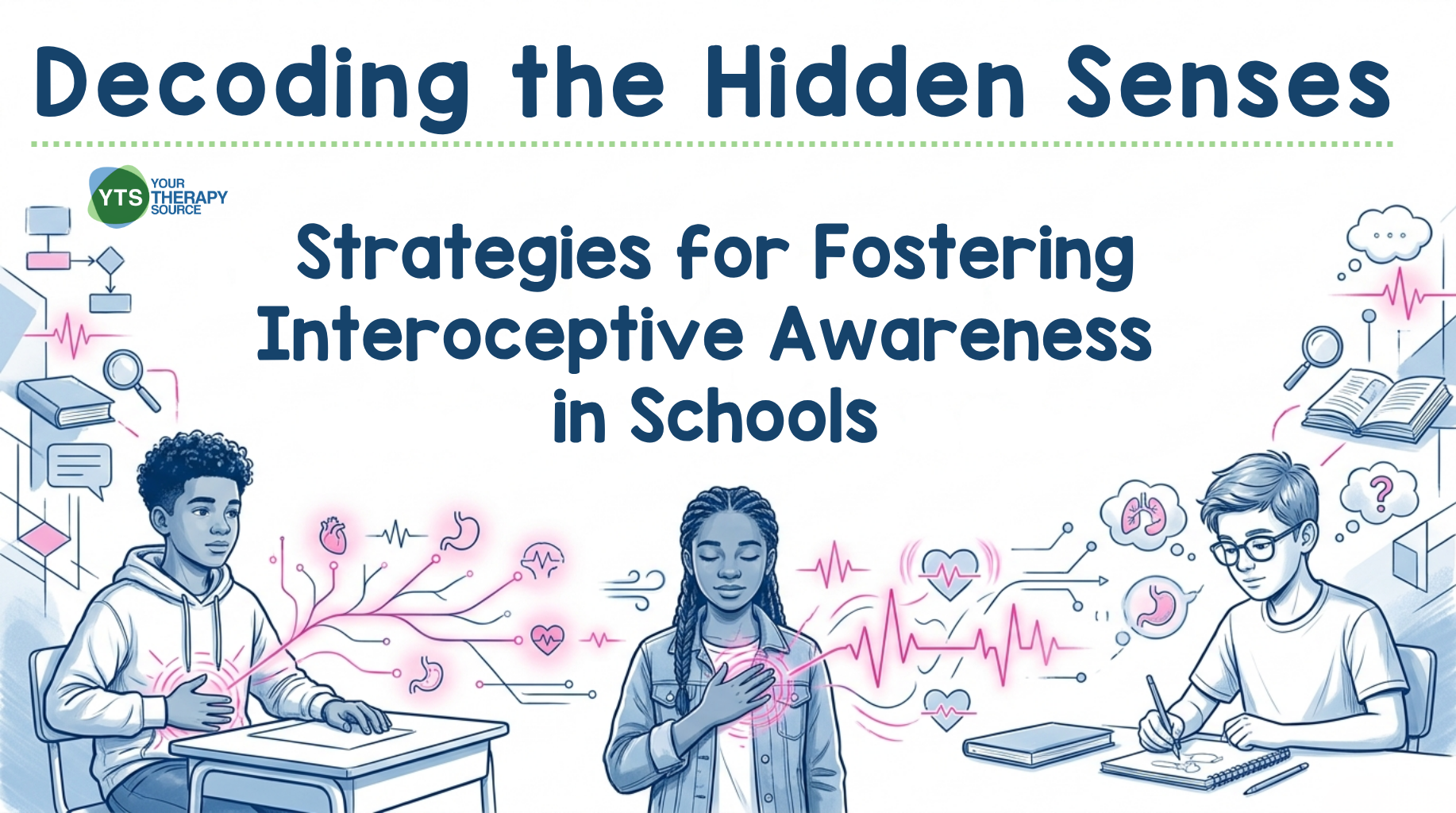
Interoception Guide – Listening to Your Body
Help children understand and respond to their body’s internal signals.
10 PRACTICAL STRATEGIES FOR INTEROCEPTION AT SCHOOL
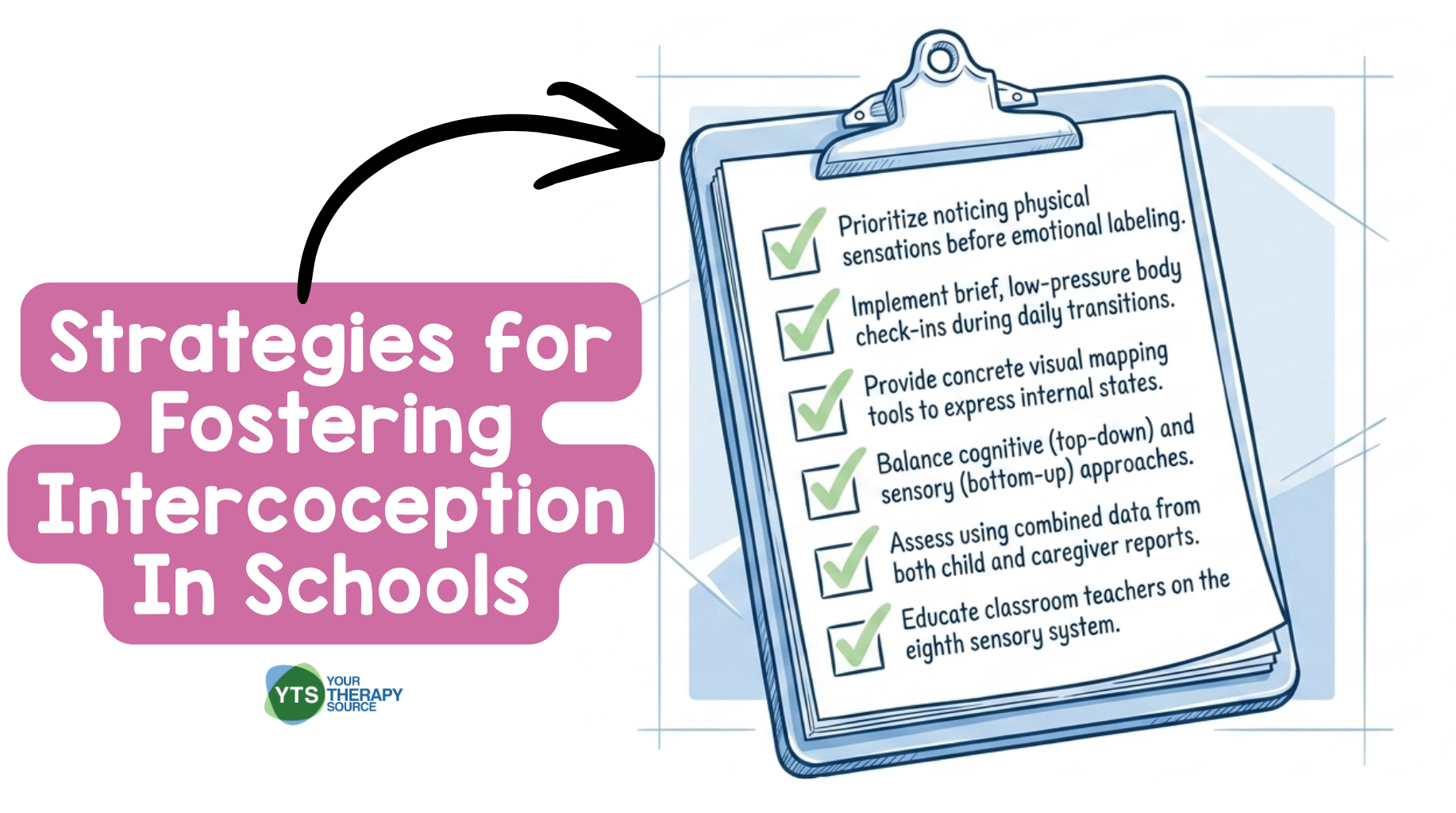
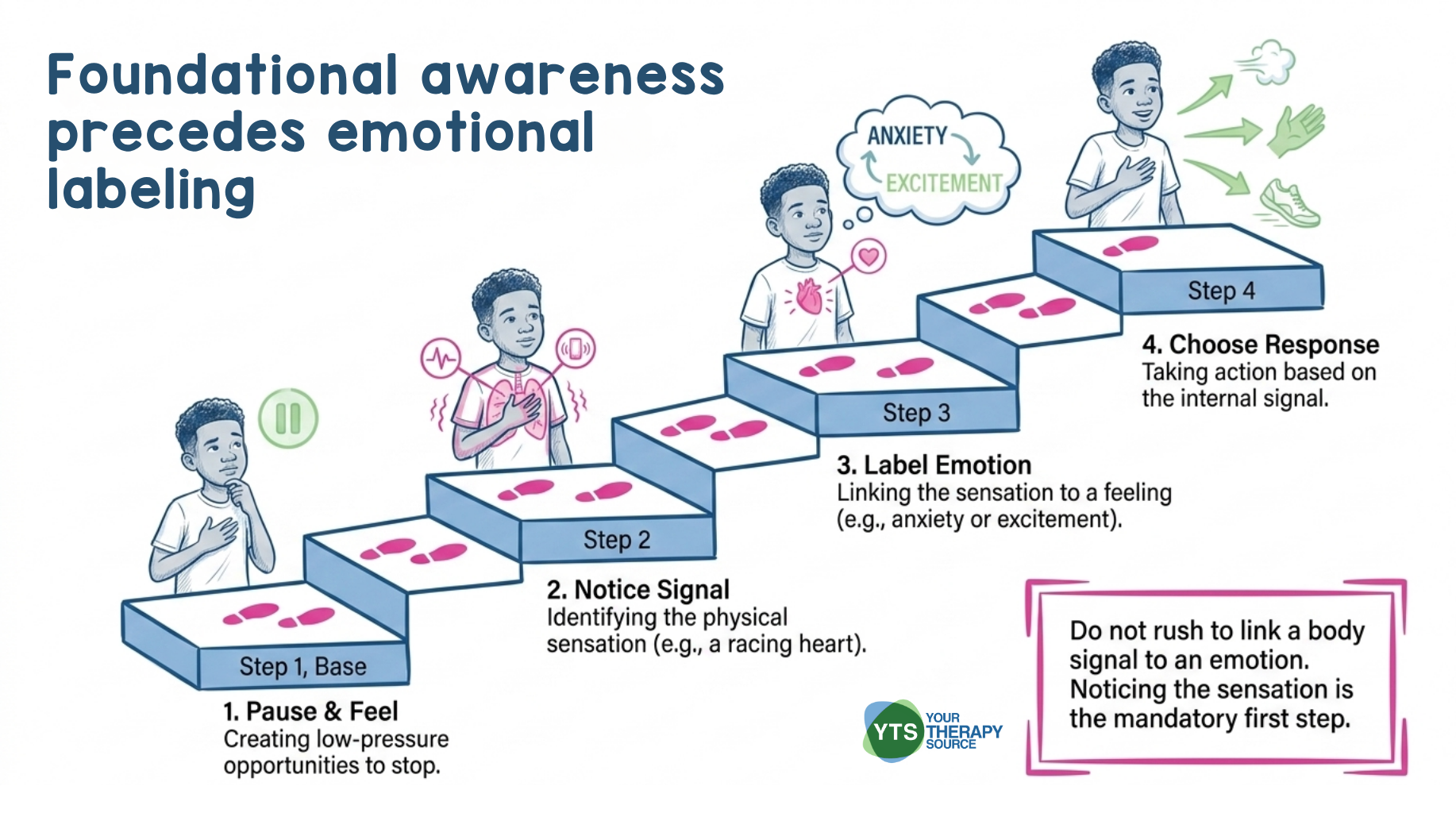
- Build foundational body signal awareness before moving to labeling or action. The literature describes interoception skill development as a progression, where noticing body signals comes before linking them to emotions or choosing a response. In school settings, this may look like creating low-pressure opportunities for students to pause and notice internal sensations during transitions or before meals. A range of interoception activities may support this foundational step.
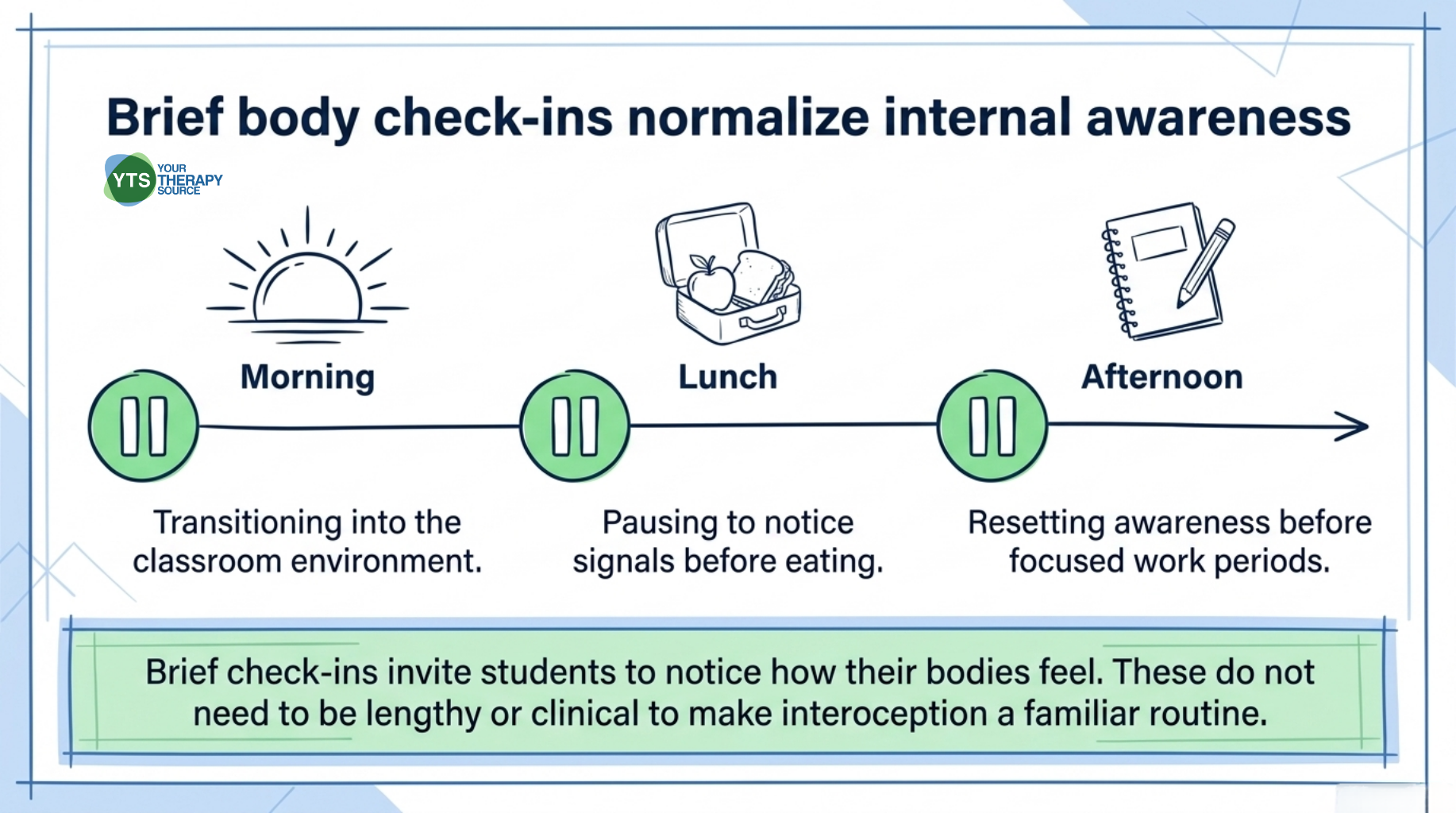
- Use regular body check-ins to normalize interoceptive awareness across the school day. Brief check-ins that invite students to notice how their bodies feel can make interoception a familiar part of classroom or therapy routines. These do not need to be lengthy or clinical to be meaningful. Even a short pause before a work period may support a student’s ability to notice and respond to internal cues.
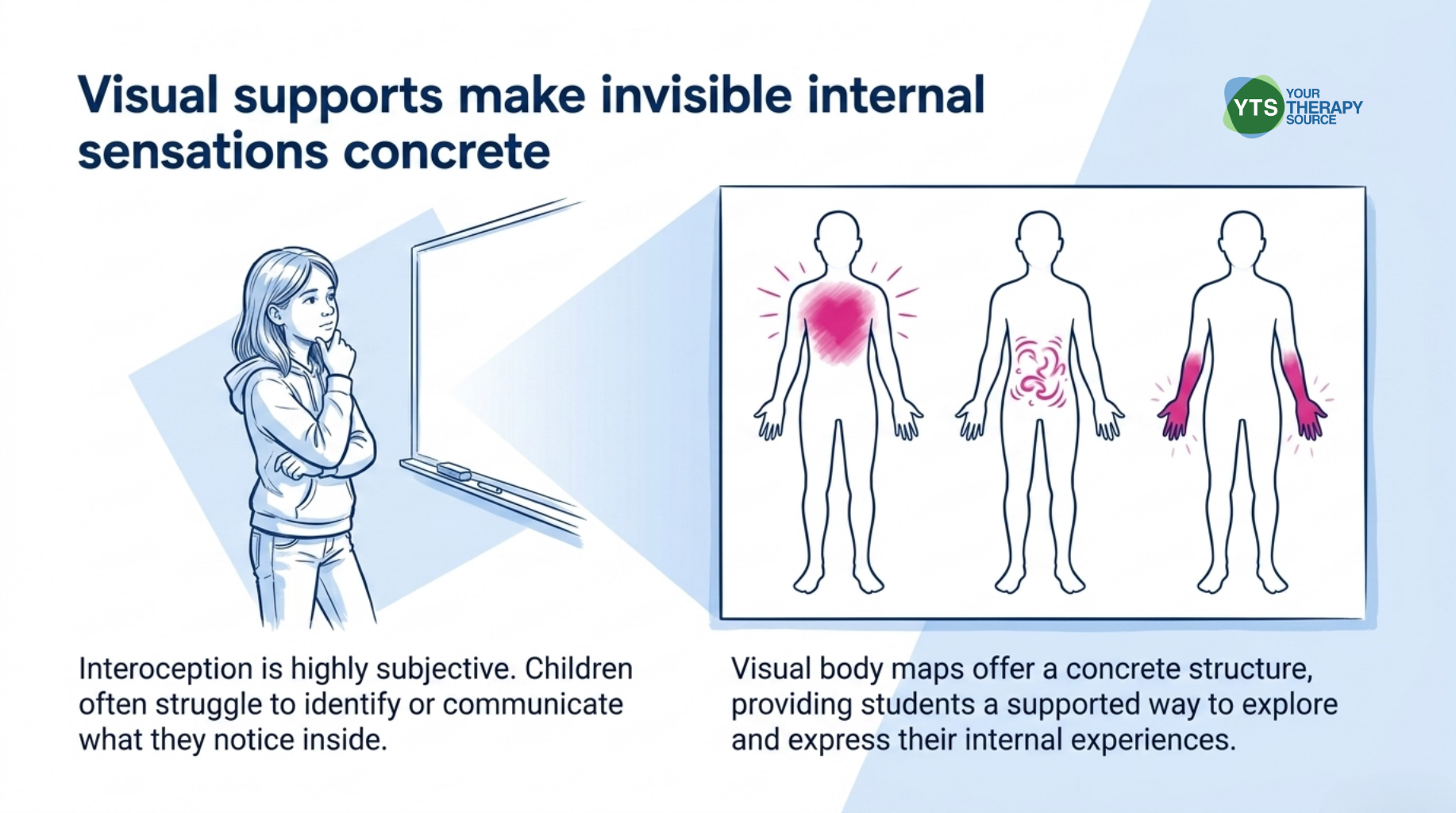
- Incorporate visual supports to help children identify and describe internal sensations. The literature noted that interoception is highly subjective and that children may have difficulty identifying or communicating what they notice inside their bodies. Visual tools can offer a concrete structure for this process. An interoception worksheet can provide a supported way for students to explore and express internal experiences.
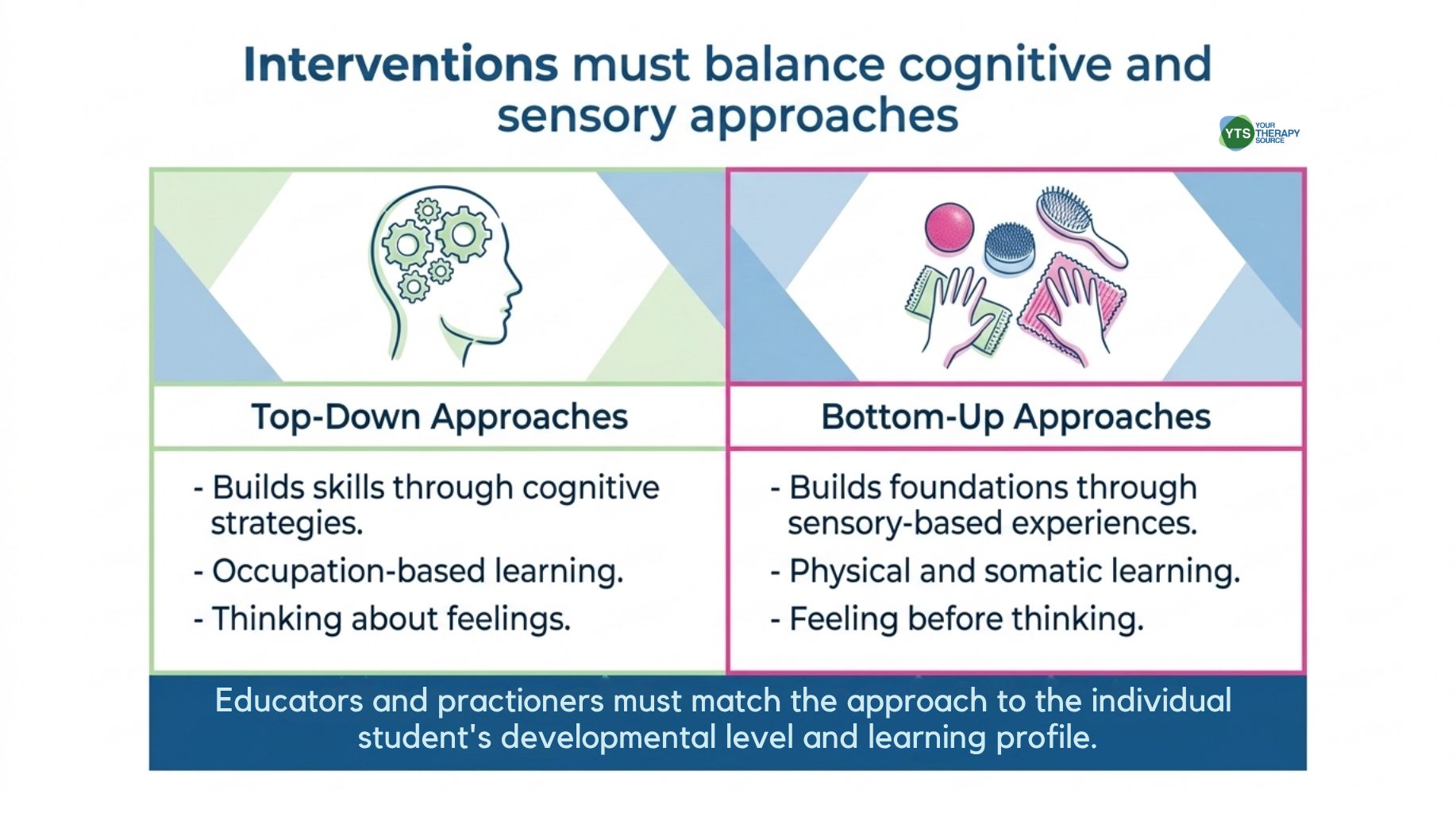
- Consider both top-down and bottom-up approaches when supporting interoception. The review noted that most existing programs take a top-down approach, using occupation and cognitive strategies to build interoceptive skills. Some sources also highlighted the value of bottom-up, sensory-based experiences as a foundation. School-based therapists can consider which approach best fits an individual student’s needs, developmental level, and learning profile.
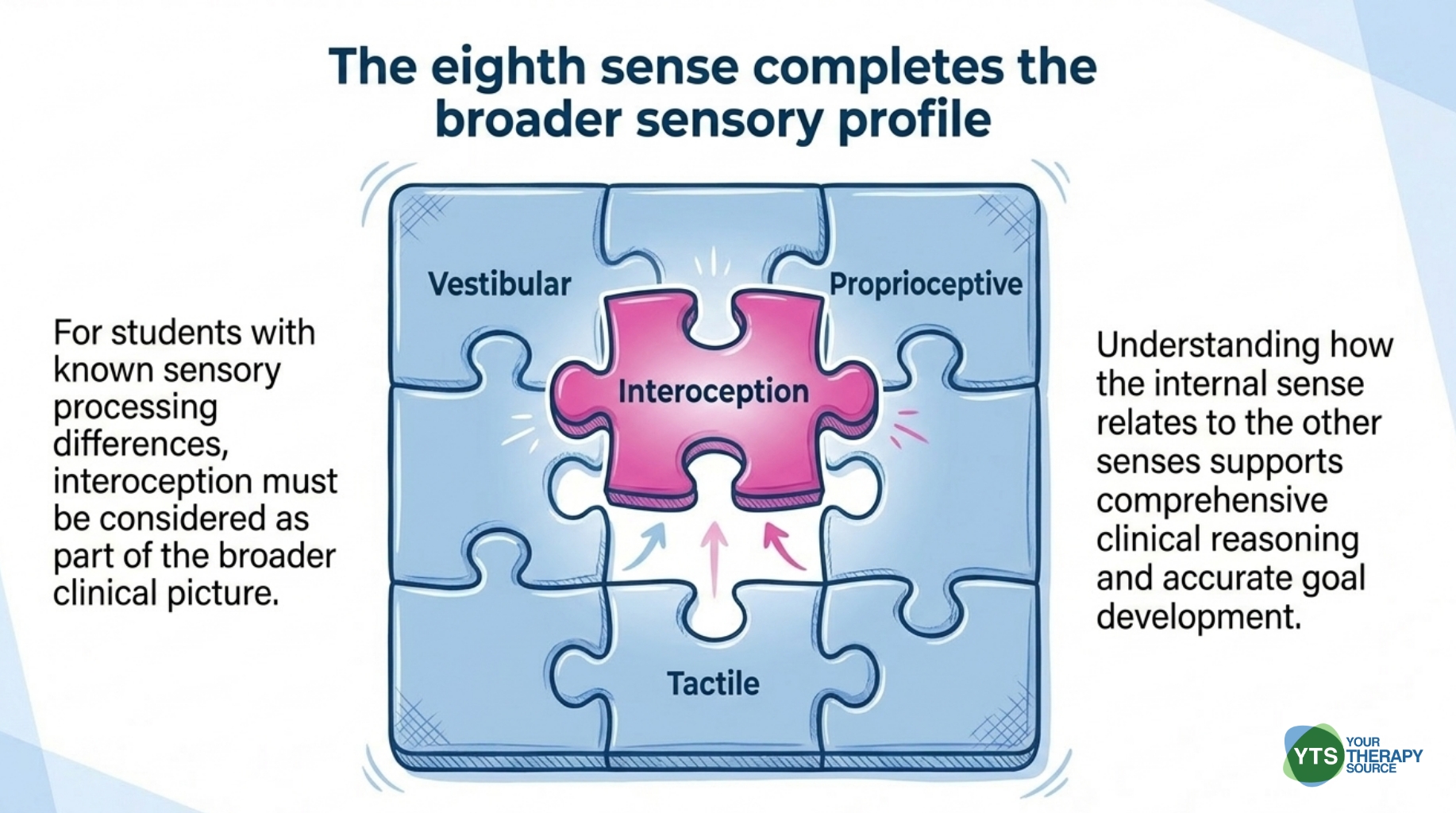
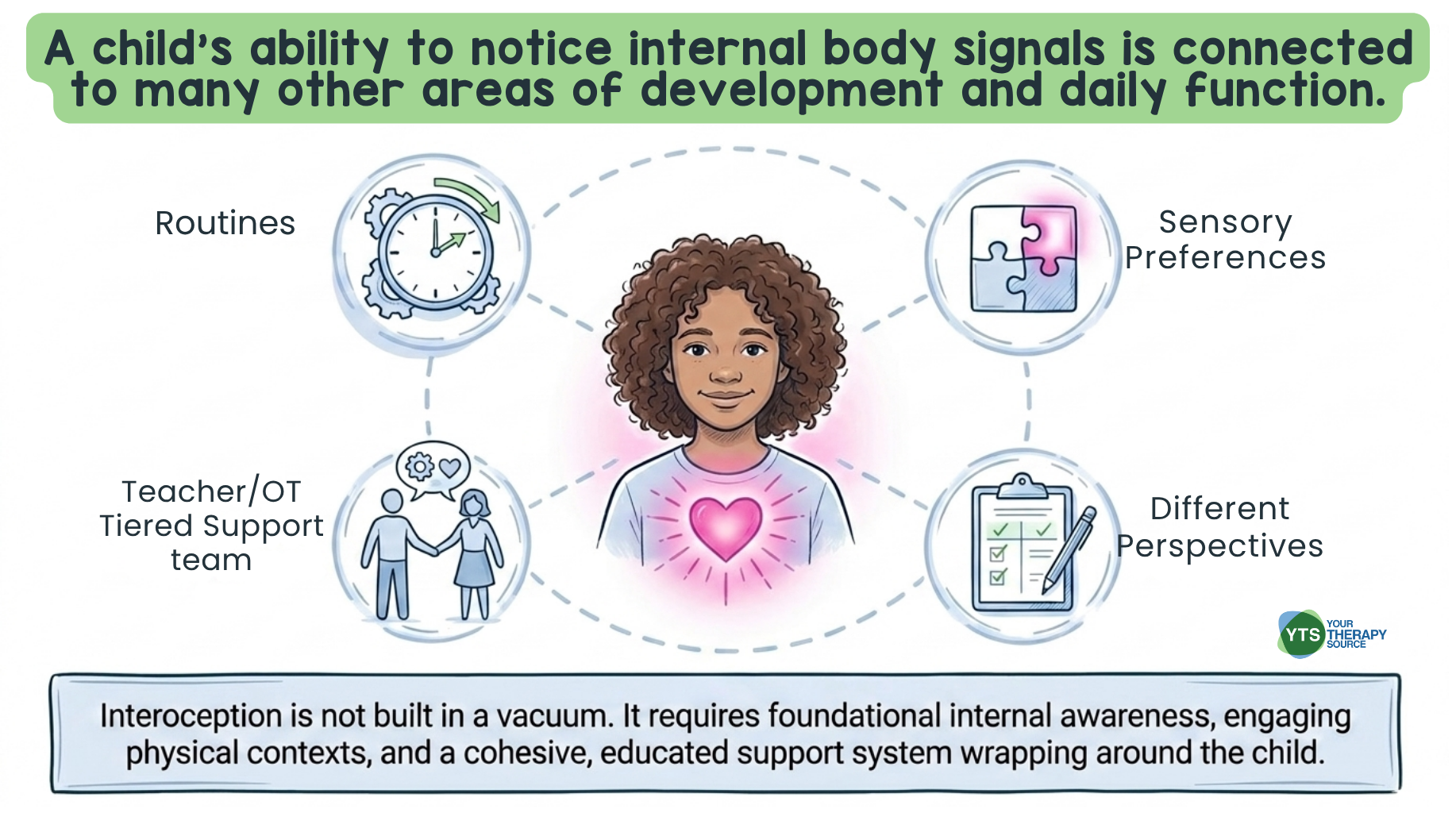
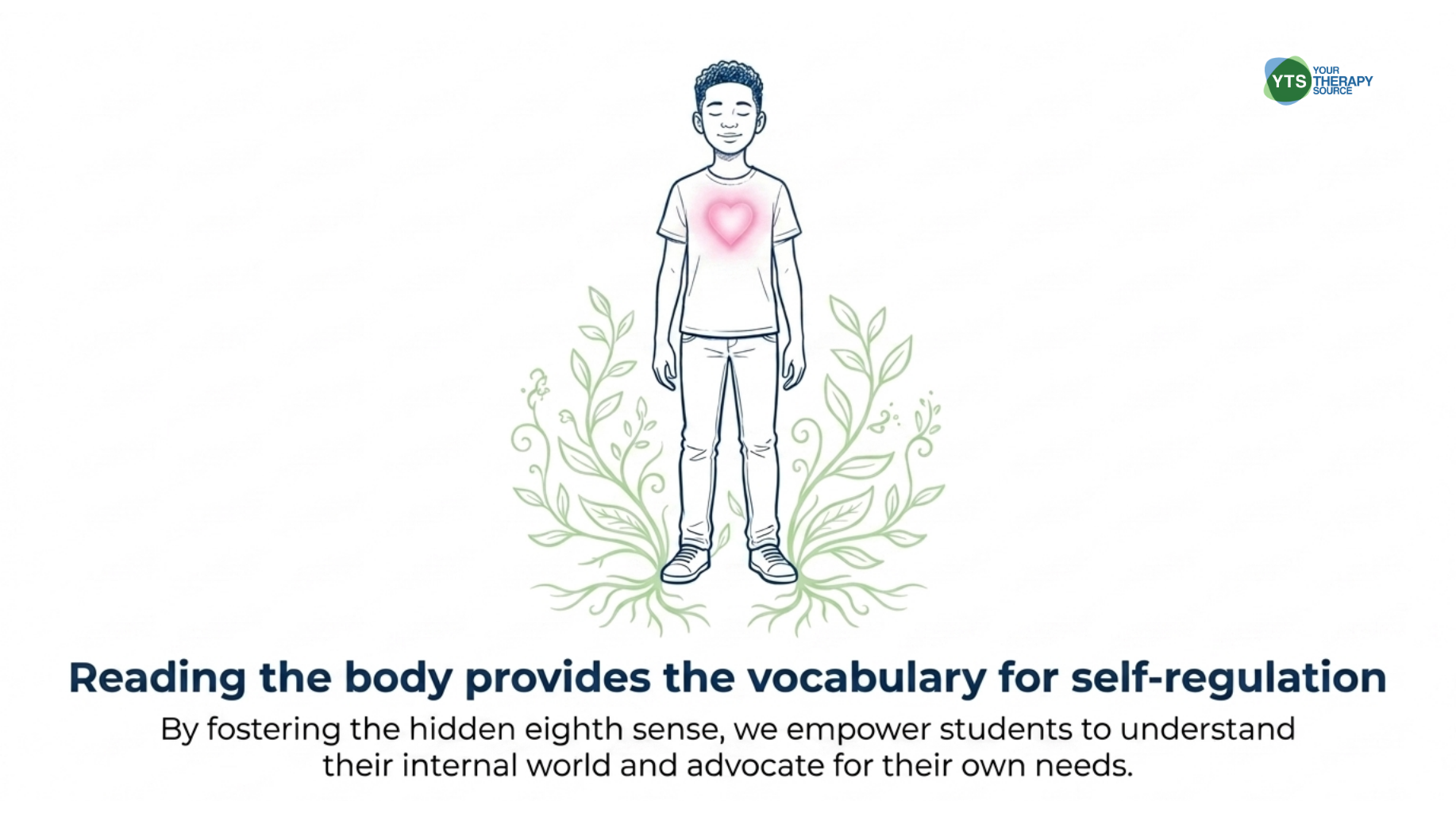
- Consider interoception alongside sensory processing when building a student’s participation profile. The review identified statistically significant associations between sensory processing and interoceptive awareness in school-aged children (Grist et al., 2023). Students with known sensory processing differences may benefit from occupational therapists considering interoception as part of the broader clinical picture. Understanding how the eighth sensory system relates to the other senses can support more comprehensive clinical reasoning.
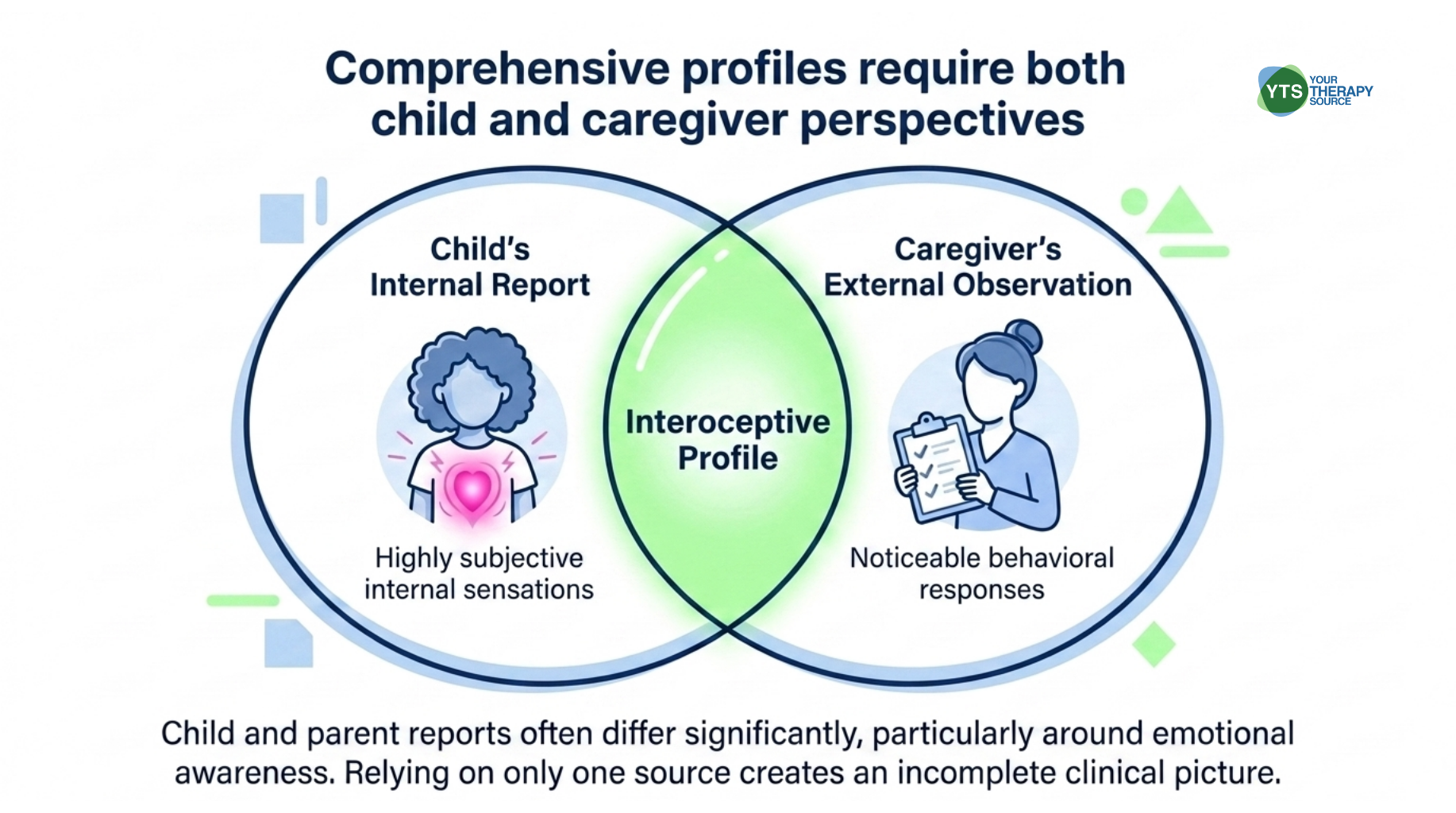
- Gather both child and caregiver perspectives when assessing interoceptive awareness. Research in this review found that child and parent reports of interoceptive awareness can differ significantly, particularly around emotional awareness (Clark et al., 2023). School-based occupational therapists can strengthen their understanding of a student’s interoceptive profile by drawing on both perspectives rather than relying on one source alone.
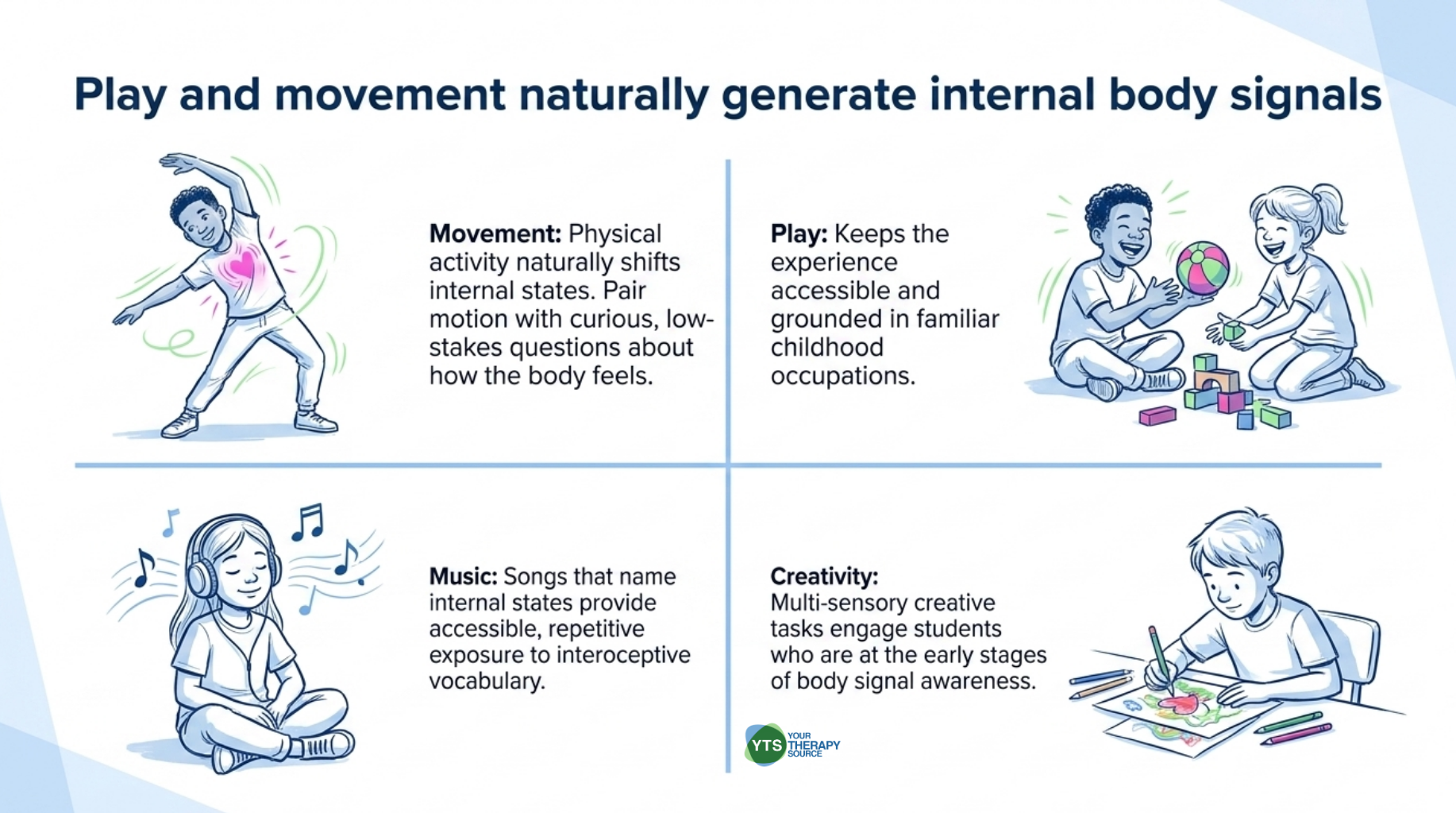
- Use play and movement as natural contexts for noticing body signals. Several sources discussed play and movement as meaningful contexts for developing interoceptive awareness in children. Physical activity naturally generates internal body sensations that can be gently brought to a child’s attention in a low-stakes, engaging way. Pairing movement with brief, curious questions about what the body is feeling keeps the experience accessible and occupation-based.
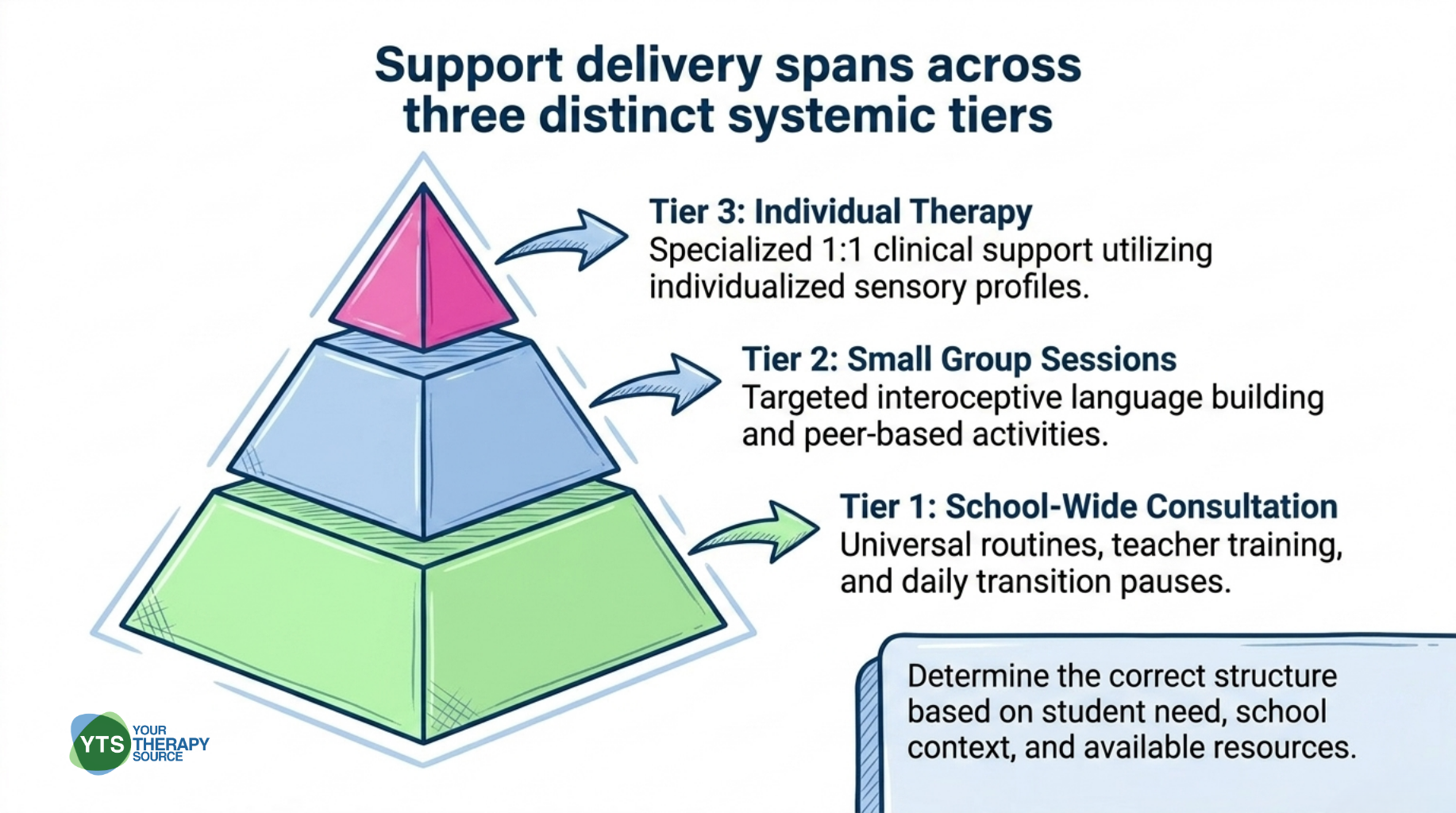
- Consider tiered delivery when planning interoception support in schools. One source in the review described individual therapy, small group sessions, and school-wide consultation as different tiers for supporting interoception in school environments (Lynch et al., 2020). School-based occupational therapists can use clinical reasoning to determine which structure best fits a student’s needs, the school context, and available resources.
- Use music and creative approaches to build interoceptive language in younger learners. Introducing interoception concepts through engaging, multi-sensory experiences may support children who are at early stages of body signal awareness. Songs that name internal sensations and body states can provide accessible, repetitive exposure to interoceptive vocabulary. The Inside My Body Interoception Song offers a creative entry point for classroom or therapy use.
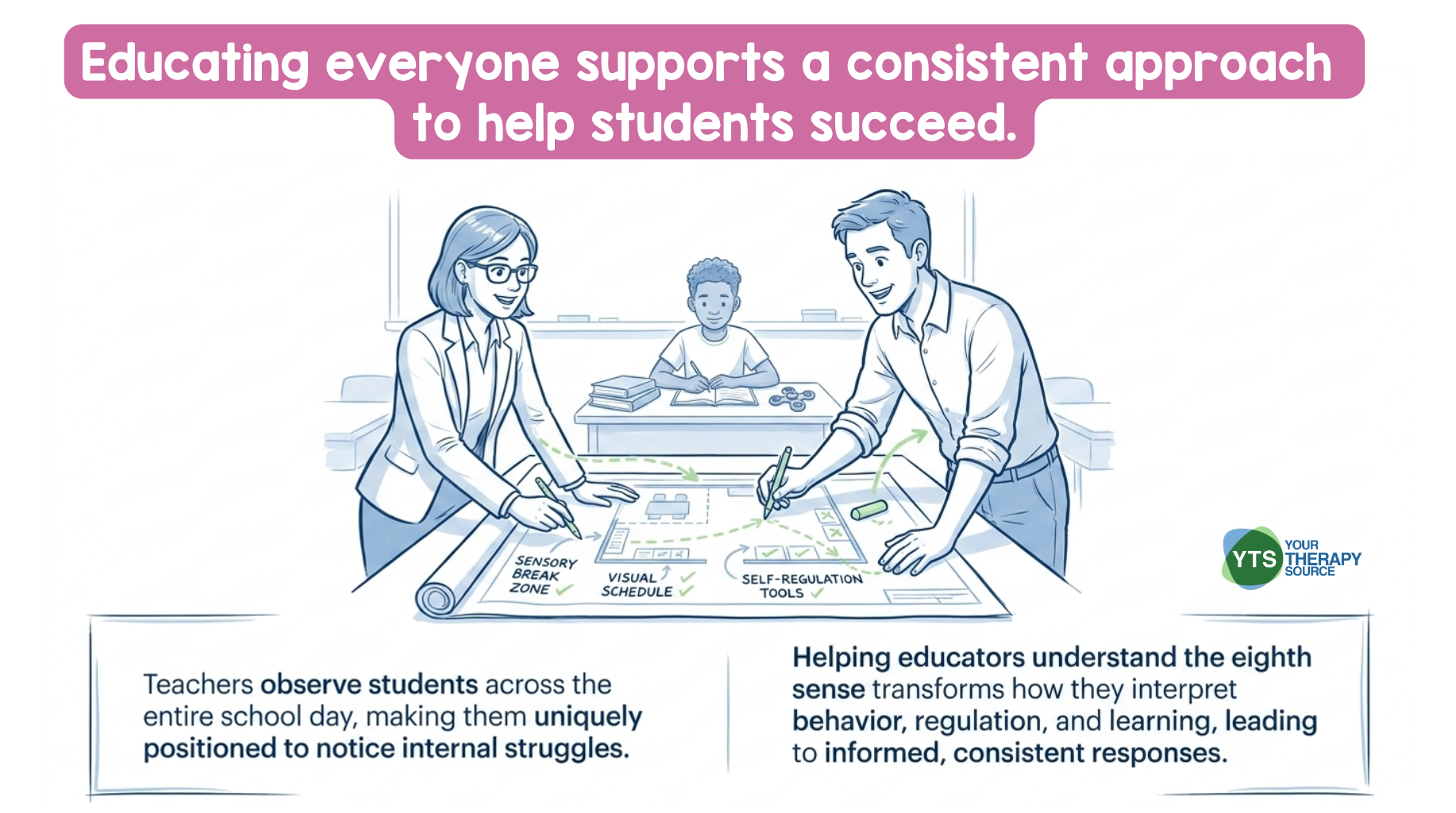
- Share relevant findings with classroom teachers to support a whole-child approach. Teachers observe students across the full school day and are well positioned to notice when a child may be struggling to recognize or respond to internal body signals. Helping teachers understand what interoception is and how it may relate to behavior, regulation, and learning can support more consistent and informed responses throughout the school day. Interoception in the Classroom offers accessible information for educators.
CONCLUSION
This scoping review by Clark, Brown, and Yu (2025) offers a useful map of how interoception is currently understood and applied within pediatric occupational therapy practice. Findings suggest that interoception may be associated with self-regulation, executive functioning, emotion processing, sensory processing, and activity participation in children. At the same time, the review is clear that most existing evidence is exploratory, based on small samples, and reflects lower levels of research rigor. Clinicians should apply these findings thoughtfully and with awareness of their limitations.
For school-based occupational therapists and related service providers, this research provides a meaningful starting point for considering interoception as one factor within a broader understanding of a child’s participation and daily function. Staying grounded in clinical reasoning, family-centered practice, and occupation-based goals remains essential as this area of research continues to develop.
REFERENCES
Bishop, C., Brown, T., & Yu, M.-L. (2023). The relationship between school-age children’s interoceptive awareness and executive functioning: An exploratory study. British Journal of Occupational Therapy, 86(2), 116–129. https://doi.org/10.1177/03080226221128184
Cheung, H. Y. L., Brown, T., Yu, M.-L., & Cheung, P. P. P. (2023). The relationship between school-age children’s self-reported perceptions of their interoceptive awareness and emotional regulation: An exploratory study. Journal of Occupational Therapy, Schools & Early Intervention, 17, 1–27. https://doi.org/10.1080/19411243.2023.2215764
Clark, E., Brown, T., & Yu, M.-L. (2022). The association between children’s interoceptive awareness and their daily participation: An exploratory study. Journal of Occupational Therapy, Schools & Early Intervention, 1-14, 120–133. https://doi.org/10.1080/19411243.2022.2158987
Clark, E. R., Brown, T., & Yu, M.-L. (2023). A comparison of child-reported and parent-reported interoceptive awareness in typically developing school-aged children. Journal of Occupational Therapy, Schools & Early Intervention, 1-15, 279–293. https://doi.org/10.1080/19411243.2023.2179157
Clark, E., Brown, T., & Yu, M.-L. (2025). Interoception and its application to paediatric occupational therapy: A scoping review. Australian Occupational Therapy Journal, 72(1), e12997. https://doi.org/10.1111/1440-1630.12997
Goodall, E. (2021). Facilitating interoceptive awareness as a self-management and self-regulation tool to increase engagement in learning and education [MSc thesis]. University of Southern Queensland.
Grist, N., Brown, T., Yu, M.-L., & Clark, E. (2023). An exploration of the association between sensory processing and interoceptive awareness in neurotypical school-aged children. Journal of Occupational Therapy, Schools & Early Intervention, 1–20. https://doi.org/10.1080/19411243.2023.2215759
Hample, K., Mahler, K., & Amspacher, A. (2020). An interoception-based intervention for children with autism spectrum disorder: A pilot study. Journal of Occupational Therapy, Schools & Early Intervention, 13(4), 339–352. https://doi.org/10.1080/19411243.2020.1743221
Lynch, A. K., Ashcraft, R., Mahler, K., Whiting, C. C., Schroeder, K., & Weber, M. (2020). Using a public health model as a foundation for trauma-informed care for occupational therapists in school settings. Journal of Occupational Therapy, Schools & Early Intervention, 13(3), 219–235. https://doi.org/10.1080/19411243.2020.1732263
Mahler, K., Hample, K., Jones, C., Sensenig, J., Thomasco, P., & Hilton, C. (2022). Impact of an interoception-based program on emotion regulation in autistic children. Occupational Therapy International, 2022, 9328967. https://doi.org/10.1155/2022/9328967

