Natural Opportunities to Build Everyday Skills Needed for Learning
Children need many skills to participate successfully in school. Attention, organization, problem-solving, self-regulation, working memory, flexibility, and independence all support learning throughout the day. These skills need opportunities to develop and be practiced. Fortunately, families and educators do not always need special activities to build everyday skills. Many opportunities are already part of a child’s daily routines. You can download 2 free printables to support natural opportunities to build everyday skills needed for learning at the bottom of the post.
How Do Children Build Everyday Skills?
Children build everyday skills through instruction, repetition, and real-world experiences. A child can learn what problem-solving means, but actually encountering a manageable problem provides an opportunity to practice it. Everyday experiences can help children practice skills such as:
- attention
- working memory
- planning
- organization
- task initiation
- problem-solving
- flexibility
- persistence
- self-regulation
- communication
- self-advocacy
- independence
Getting dressed, preparing a snack, packing a backpack, waiting for a turn, cleaning up, or finding a missing item may seem like simple routines. Each activity can require several skills that are also important for learning.
Watch the Video on Why Are Students Coming to School Without the Skills to Learn?
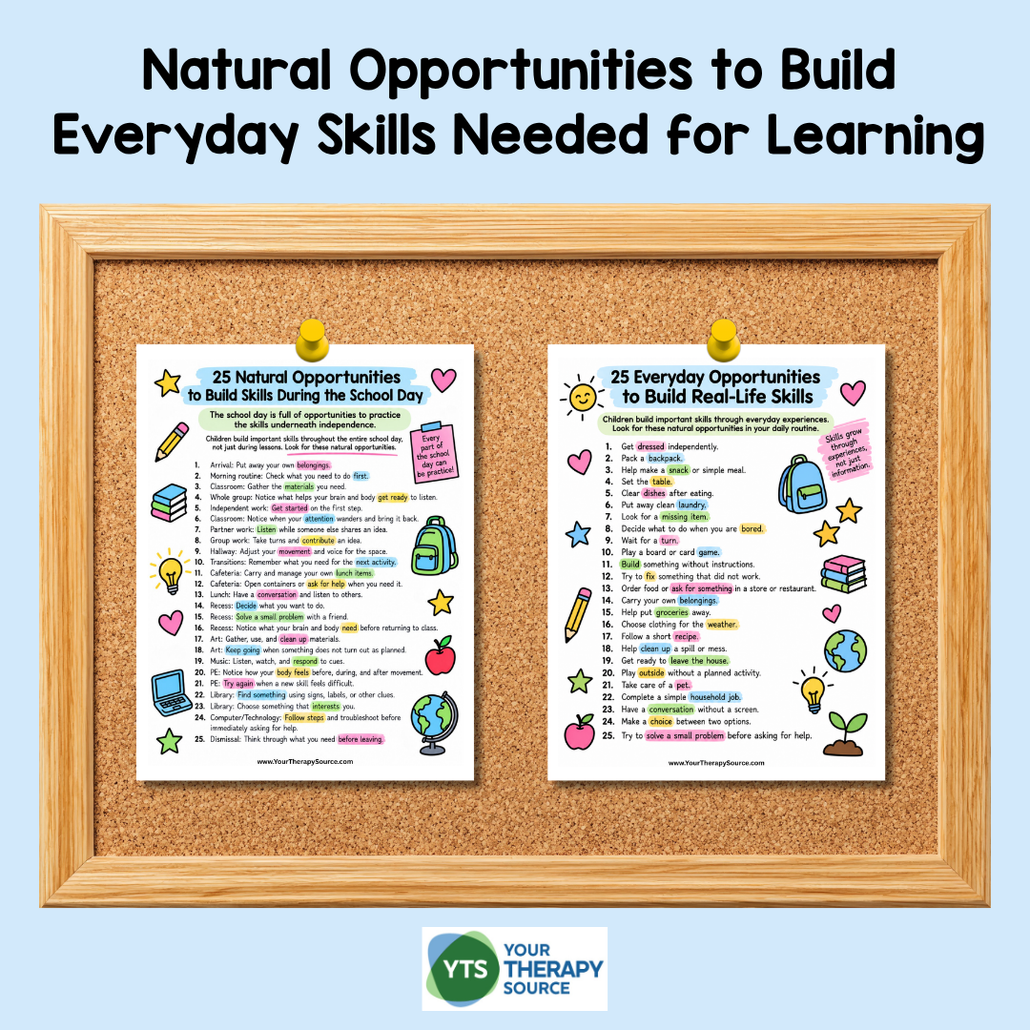
25 Everyday Opportunities to Build Real-Life Skills
The first free printable focuses on everyday routines at home and in the community.
Children can build everyday skills while:
- getting dressed
- packing a backpack
- helping prepare food
- setting the table
- putting away belongings
- looking for a missing item
- waiting for a turn
- playing a game
- choosing what to do during free time
- completing a household responsibility
- solving a small problem before asking for help
Depending on the activity, children may be practicing sequencing, planning, working memory, decision-making, persistence, communication, or independence.
25 Natural Opportunities to Build Skills During the School Day
The second free printable focuses on natural opportunities throughout the school day.
Students can build everyday skills during:
- arrival
- classroom routines
- independent work
- partner and group work
- hallway transitions
- cafeteria routines
- recess
- art
- music
- physical education
- library
- technology
- dismissal
A school day already requires students to remember, organize, communicate, make decisions, solve problems, transition, and manage belongings. Recognizing these moments can help educators use existing routines for meaningful practice.
Build Everyday Skills Through Simple Routines
Everyday routines provide repeated practice because they occur frequently. Packing a backpack once may require considerable adult support, while repeating the same routine over time provides additional opportunities to remember the steps and participate more independently.
The amount of assistance needed will vary by child. Some children may need direct instruction, visual supports, modeling, physical assistance, or repeated prompting while learning a skill.
Small Problems Can Help Build Everyday Skills
Small, manageable problems can provide opportunities for children to think about what to do next.
For example, a child may:
- have difficulty opening a container
- misplace an item
- discover that materials are missing
- build something that falls apart
- forget what comes next
- have difficulty choosing between two options
- need to change a plan
When appropriate, allowing a little time before providing the solution gives the child an opportunity to generate an idea or try a strategy. This does not mean withholding needed assistance. The goal is to provide the level of support the individual child needs while preserving opportunities for active participation.
Unstructured Time Can Support Skill Development
Unstructured time can also provide opportunities to build everyday skills. When an activity is not immediately provided, a child may need to decide what to do. This can involve:
- generating an idea
- making a decision
- initiating an activity
- gathering materials
- sustaining attention
- changing the plan
- cleaning up afterward
Some children will need support with unstructured time. The goal is not to require children to independently entertain themselves, but to recognize that choosing and initiating an activity can provide useful practice.
Consider the Balance of Screen Time and Other Experiences
Screens can support learning, communication, creativity, entertainment, and social interaction. Screen use is one part of a child’s overall daily routine. Different experiences provide opportunities to practice different skills. In addition to considering the amount of screen time, it can be useful to consider whether children have opportunities for other experiences throughout the day, including:
- movement
- outdoor play
- conversation
- hands-on activities
- creative play
- household responsibilities
- social interaction
- problem-solving
- independent choices
- unstructured time
Build Everyday Skills Throughout the School Day
Students use functional skills throughout the school day, not only during academic instruction. For example, arrival may require students to remember a routine, organize belongings, and prepare for the first activity. Transitions may require shifting attention, gathering materials, remembering where to go, and adjusting to a different setting.
Lunch, recess, specials, and dismissal provide additional opportunities to practice communication, organization, flexibility, problem-solving, self-advocacy, and independence.
Get Ready for Learning
Before students can effectively use many learning skills, their brains and bodies need to be in a state that is open and ready for learning. The Get Ready phase of the Get Ready → Build Skills → Foster Independence framework focuses on helping the individual student recognize what their brain and body need for readiness. This may include:
- movement
- increasing alertness
- calming when needed
- changing body position
- getting a drink
- recognizing hunger
- using the bathroom
- noticing physical discomfort
- identifying internal body signals
Changes to the environment can also support readiness. The primary focus is helping the student gradually recognize what their own brain and body need to be ready to participate and learn.
Build the Skills Underneath the Expectation
Broad expectations often contain several individual skills. For example, telling a student to “get organized” may require the student to:
- identify the materials needed
- remember where materials belong
- determine what needs to happen first
- sequence several steps
- monitor progress
- notice when something is missing
Similarly, “work independently” can require task initiation, sustained attention, working memory, planning, problem-solving, and knowing when to ask for help. Identifying the specific skills underneath an expectation makes it easier to determine what needs instruction and practice.
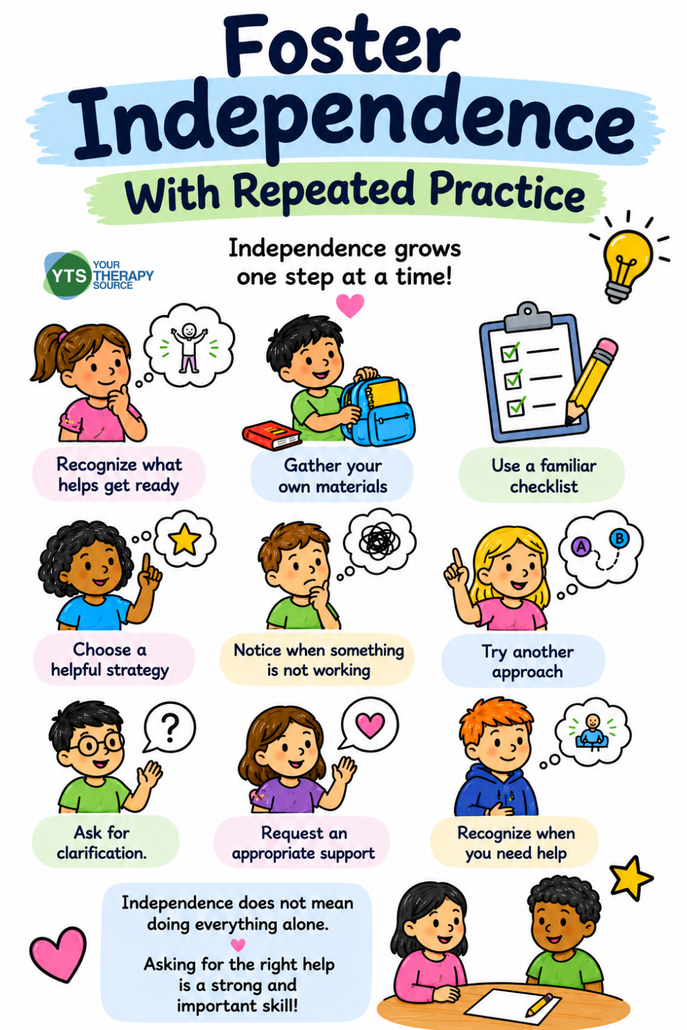
Foster Independence With Repeated Practice
Independence develops gradually and will look different for each learner. Students may demonstrate growing independence when they begin to:
- recognize what helps them get ready
- gather their own materials
- use a familiar checklist
- choose a helpful strategy
- recognize when something is not working
- try another approach
- ask for clarification
- request an appropriate support
- recognize when they need help
Independence does not mean completing everything without assistance. Recognizing and requesting an appropriate support can also be an important independent skill.
How Adults Can Create More Opportunities for Practice
Adults frequently provide reminders and assistance because it keeps routines moving. The appropriate amount of support should always be individualized In some situations, however, a brief pause can provide an opportunity for a child to participate more actively.
Depending on the child and situation, adults might:
- wait briefly before repeating a direction
- ask what the first step might be
- encourage the child to gather needed materials
- allow time to attempt a manageable problem
- offer choices instead of making the decision
- ask what strategy helped previously
- encourage the child to notice what their brain or body needs
- gradually reduce prompts as a skill becomes more familiar
A Simple Question to Guide Skill Building
When a child has difficulty with a routine or learning expectation, consider asking: What experiences would help this child build the skills underneath this expectation? Then use the three-part framework:
Get Ready: What does the child’s brain and body need to become open and ready for learning?
Build Skills: What specific skill needs instruction and practice?
Foster Independence: How can the child gradually participate more actively in recognizing needs, choosing strategies, and completing the routine?
Turn Student Goals Into Everyday Practice
For students receiving therapy, special education, or other targeted supports, everyday routines can provide additional opportunities to practice skills connected to individual goals.
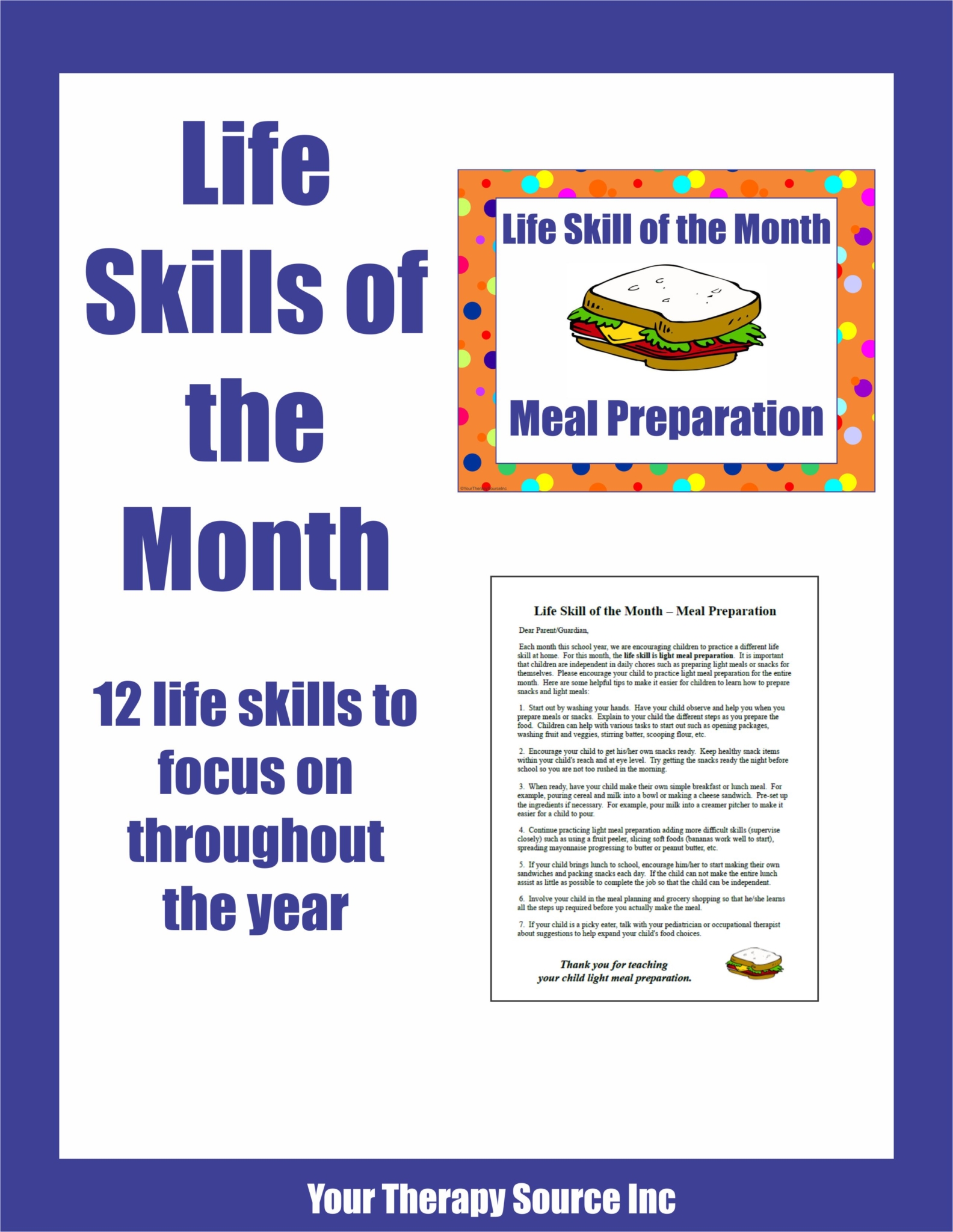
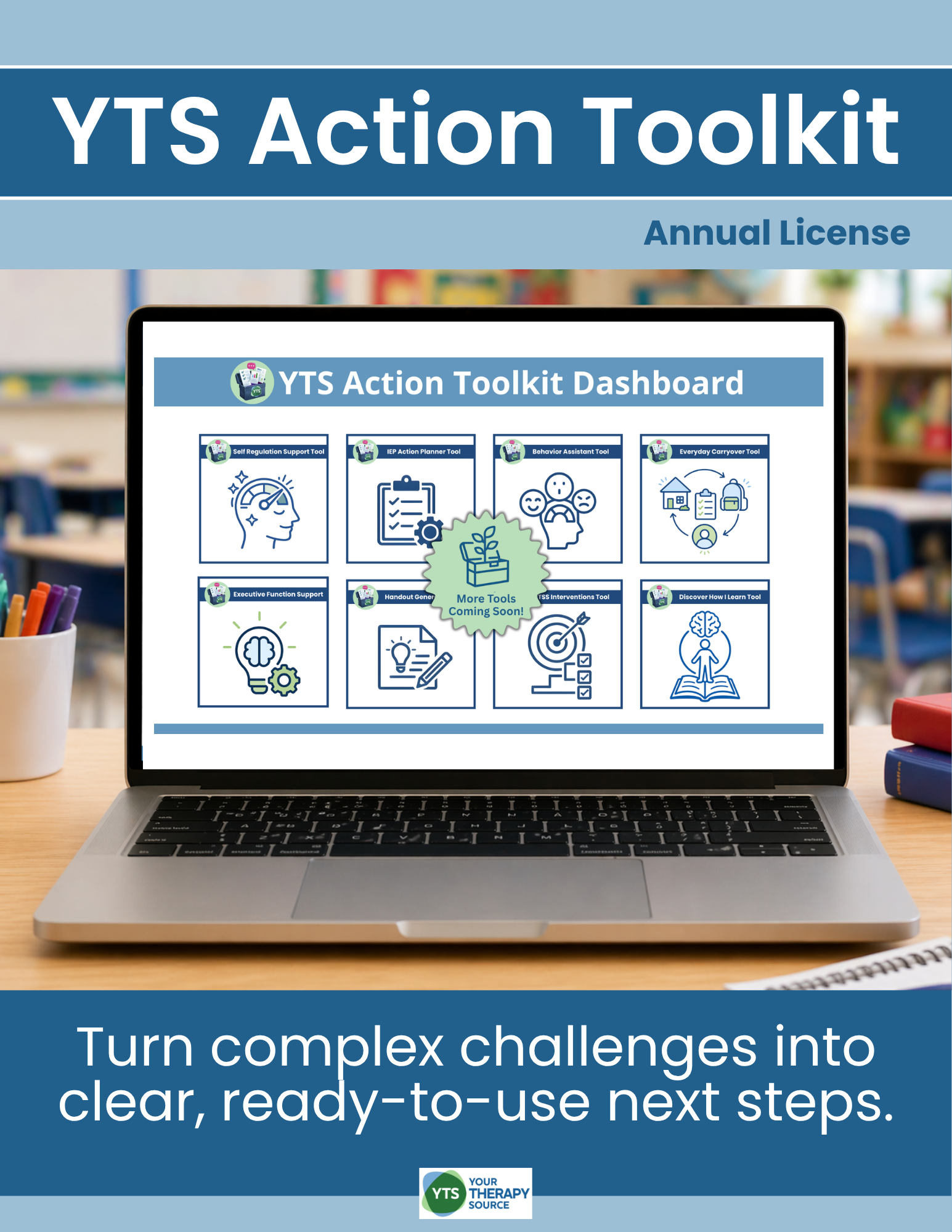
The YTS Everyday Carryover Tool inside the YTS Action Toolkit turns a student’s present level and goal into a simple, parent-friendly plan with practical activities for home, weekends, and school breaks.
The YTS Action Toolkit also includes Discover How I Learn. This tool uses the Get Ready → Build Skills → Foster Independence framework to help identify areas related to readiness, skill development, and increasing student ownership.
Learn more about the YTS Action Toolkit
Download the Free Printables to Build Everyday Skills
Use these two free resources to identify natural opportunities for children to practice important skills throughout their day:
- 25 Everyday Opportunities to Build Real-Life Skills
- 25 Natural Opportunities to Build Skills During the School Day
The goal is not to add more activities to already busy schedules. It is to recognize how everyday routines can provide repeated opportunities to build everyday skills needed for learning and independence.