SENSORY OVER-RESPONSIVITY IN KIDS: RESEARCH + FREE PRINTABLE
Sensory over-responsivity in kids shows up in classrooms every day. A student who covers their ears at the sound of a pencil sharpener, refuses to wear certain fabrics, or becomes distressed by cafeteria noise may be experiencing more than a passing preference. These strong, negative reactions to everyday sensory input affect a meaningful portion of the school population and can shape how a child participates, learns, and interacts with peers.
New research published in the Journal of the American Academy of Child & Adolescent Psychiatry examined sensory over-responsivity across a very large group of children to better understand what it is connected to, and what is happening in the brain when it occurs. The findings offer school-based teams a clearer, more evidence-informed picture of this common but often misunderstood pattern.
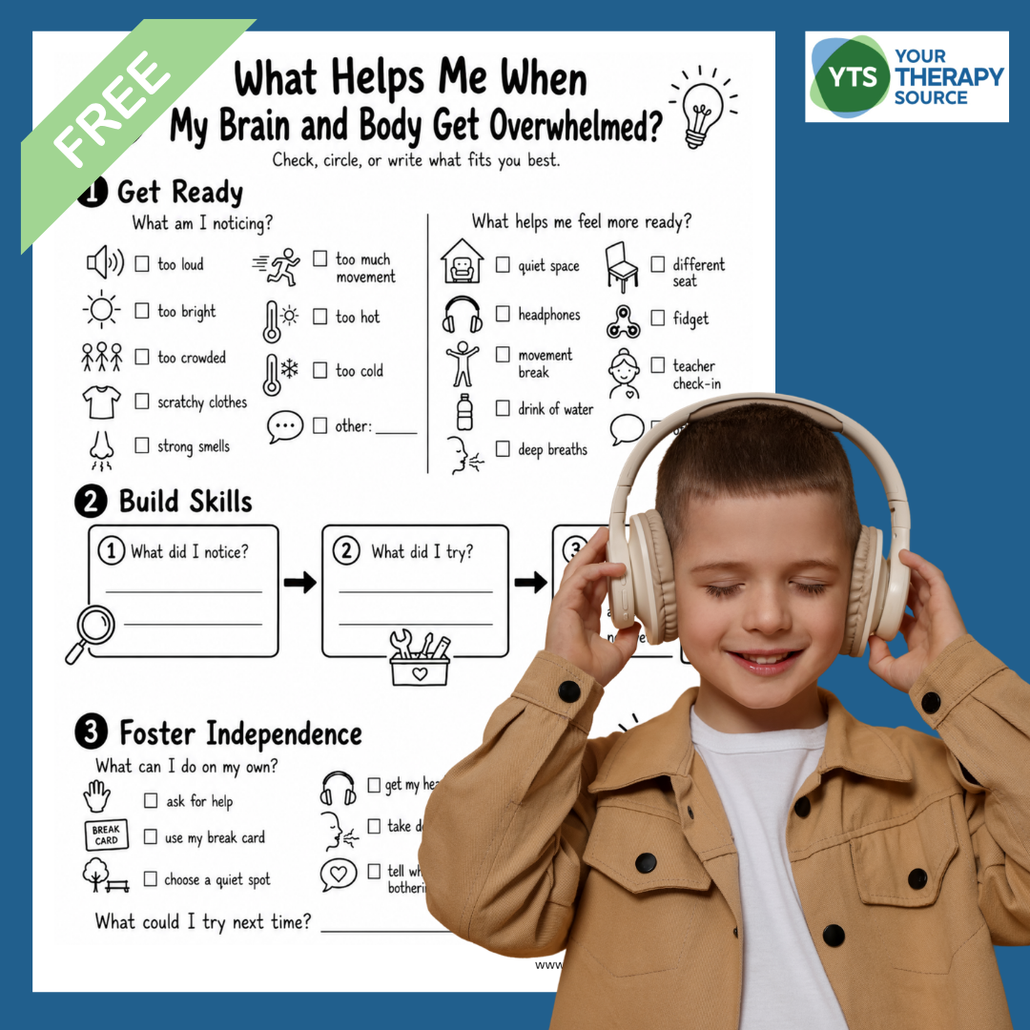
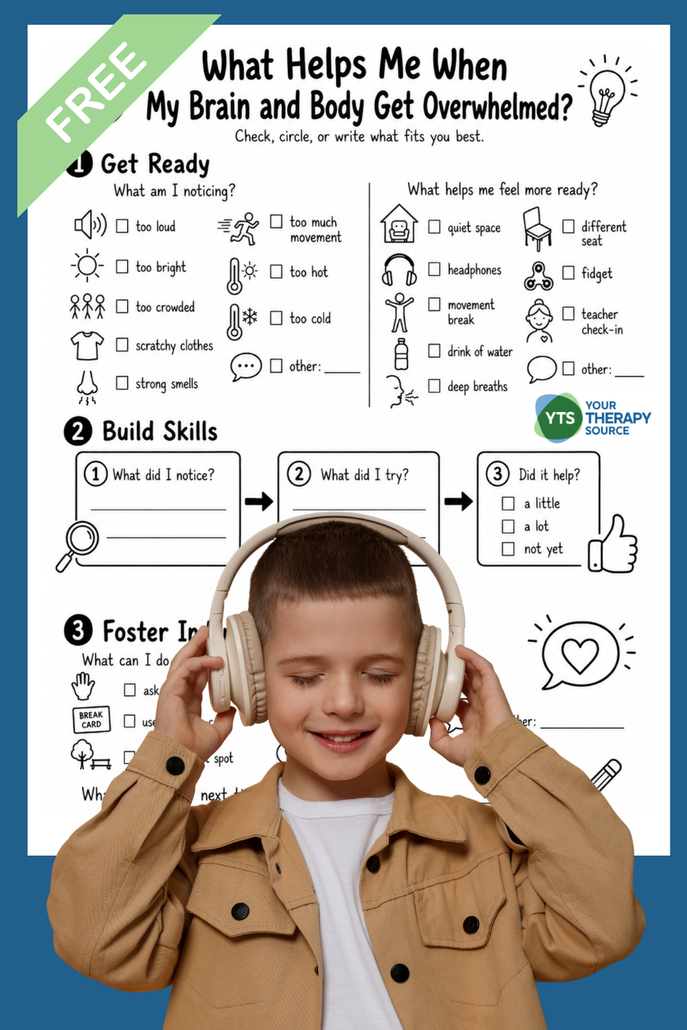
You can download a FREE printable to help students when their brain and bodies feel overwhelmed at school.
WHAT THE RESEARCH EXAMINED: SENSORY OVER-RESPONSIVITY IN KIDS
Researchers analyzed data from thousands of children to look at two main questions: whether sensory over-responsivity is specifically linked to certain mental health symptoms, and whether it is associated with particular patterns of brain connectivity. The study combined information from five separate research groups, including both general population samples and samples of children diagnosed with autism.
- The analysis included 15,728 children ages 6 to 17.9 years across five independent United States-based research datasets.
- Three datasets represented general community samples and two represented samples enriched for autism diagnoses.
- A subset of children also completed brain imaging (fMRI) scans, allowing researchers to look at patterns of brain connectivity linked to sensory over-responsivity in more than 9,000 children.
KEY FINDINGS FROM THE RESEARCH
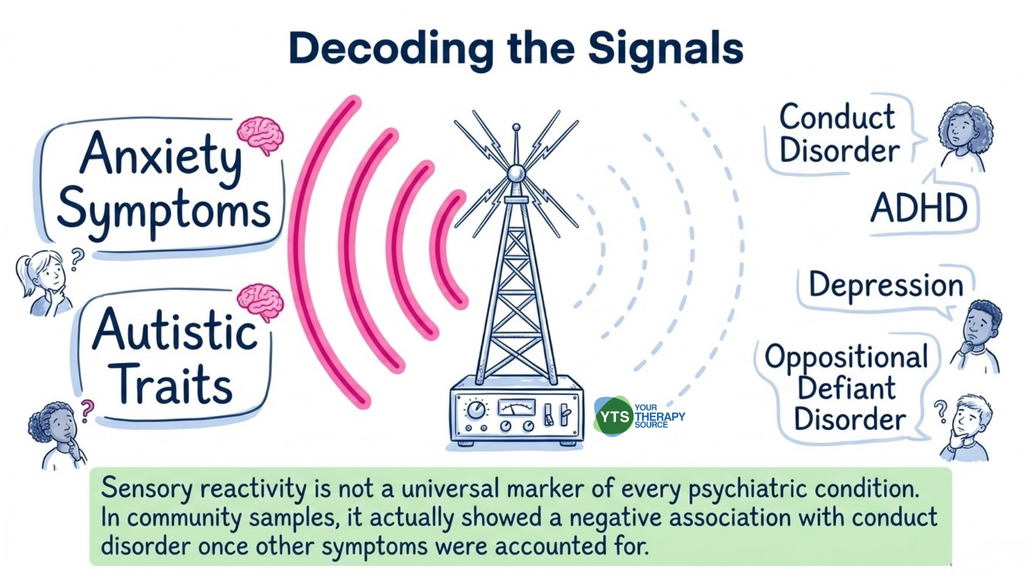
Overall, the findings suggest that sensory over-responsivity is not simply a general marker of psychiatric difficulty. Instead, it appears to be specifically and consistently associated with certain symptoms rather than others.
- Sensory over-responsivity was associated with higher levels of anxiety symptoms across nearly every sample studied, regardless of children’s age or autism diagnosis status.
- Sensory over-responsivity was associated with higher levels of autistic traits, consistent with its long-standing recognition as a feature of autism.
- In community samples, sensory over-responsivity was associated with lower levels of conduct disorder symptoms once other symptoms were accounted for, suggesting it may not always signal risk.
- When researchers accounted for overlapping symptoms, associations with ADHD, depression, and oppositional defiant disorder were inconsistent or weak, suggesting sensory over-responsivity is not a universal marker of every childhood psychiatric condition.
- Brain imaging data suggested that mild sensory over-responsivity was associated with reduced connectivity between the cingulo-parietal brain network and the caudate nucleus, a pattern that replicated across independent groups of children and extended to children with more severe sensory over-responsivity.
WHY THESE FINDINGS MATTER FOR SCHOOL-BASED PRACTICE
For school teams, these findings support viewing sensory over-responsivity as a specific, meaningful pattern rather than a vague behavioral concern. Understanding what it may and may not be connected to can help staff interpret student behavior with more nuance.
- Since sensory over-responsivity was consistently linked to anxiety, students who show strong reactions to sensory input may also benefit from support that considers anxiety and emotional regulation, not sensory needs alone.
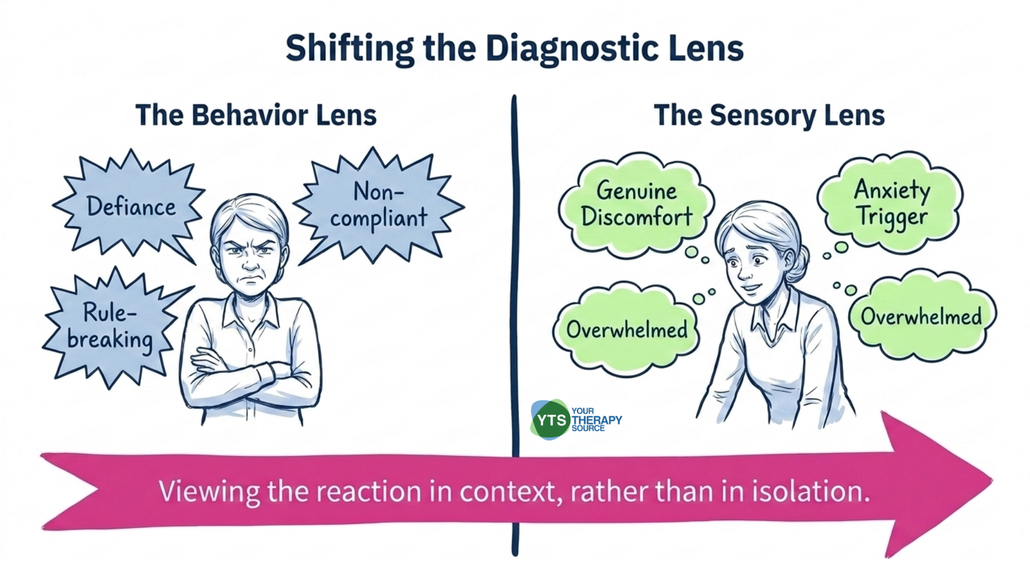
- Because the association with conduct disorder symptoms was negative in community samples, sensory reactivity should not automatically be interpreted as a behavioral or defiance issue.
- The findings reinforce that participation and access, not diagnosis, should guide how sensory needs are addressed in daily routines and environments.
Recognizing these patterns can help teams take a more informed approach to understanding sensory-related behavior, which is explored further in this related discussion of sensory over-responsivity and behavior.
IMPLICATIONS FOR SCHOOL STAFF: SENSORY OVER-RESPONSIVITY IN KIDS
These findings suggest that school staff who observe strong sensory reactions in students may want to consider the broader picture of a child’s emotional and developmental profile, rather than viewing the reaction in isolation.
- Staff may notice students who become distressed by sounds, textures, lighting, or smells that do not bother most peers.
- Students with sensory over-responsivity may also show signs associated with anxiety, such as avoidance of certain activities, difficulty transitioning, or heightened worry in unpredictable environments.
- Some students may appear more cautious or rule-following rather than defiant, consistent with the study’s finding of lower conduct-related symptoms in community samples.
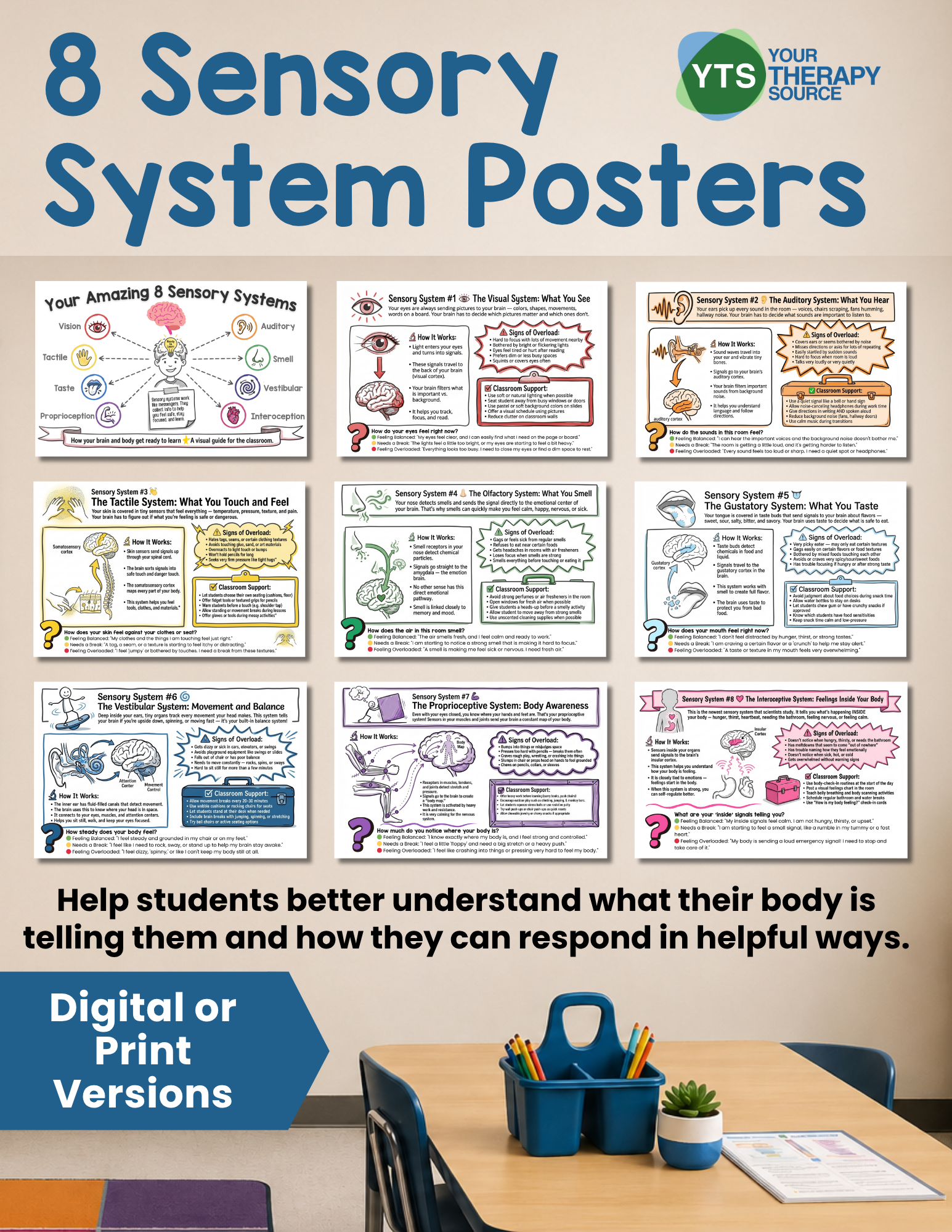
These observations are not diagnostic, but they can inform a broader, multi-modal approach to supporting student participation that considers sensory processing alongside social, emotional, and academic factors. For additional ideas on building sensory awareness into daily practice, this collection of sensory processing activities for kids offers practical starting points.
10 PRACTICAL STRATEGIES FOR SENSORY OVER-RESPONSIVITY IN KIDS
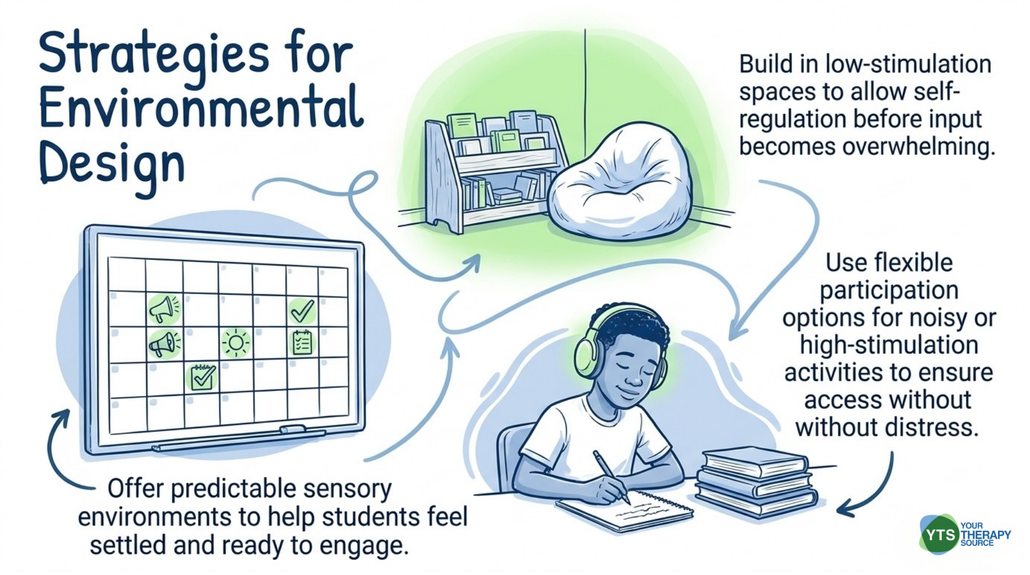
- Offer predictable sensory environments. Reducing unexpected sensory changes, such as sudden bells or lighting shifts, may help students who react strongly to sensory input feel more settled and ready to engage.
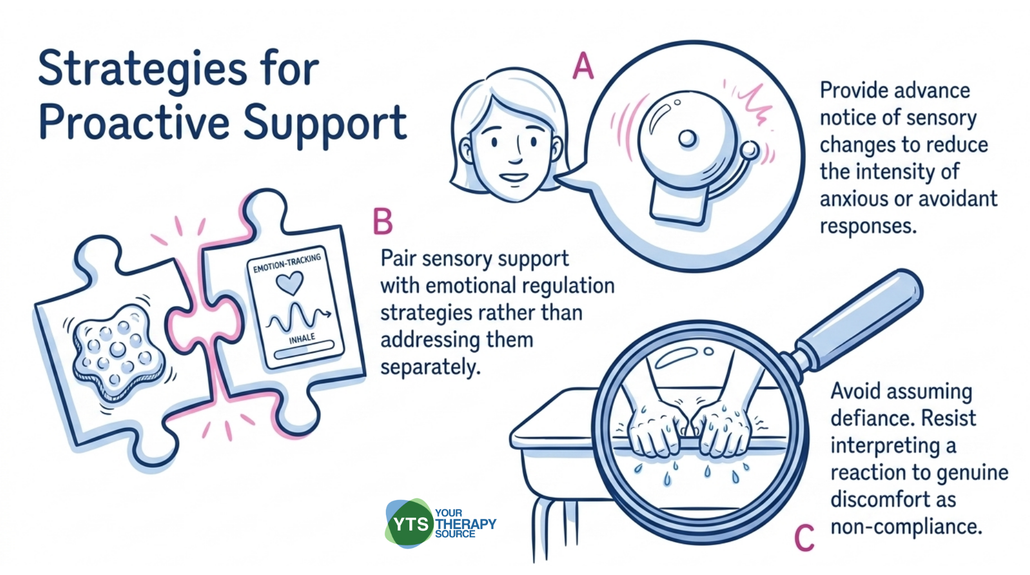
- Pair sensory support with emotional regulation strategies. Since anxiety was consistently linked to sensory over-responsivity, consider combining sensory accommodations with calming or self-regulation supports rather than addressing them separately.
- Avoid assuming defiance. A student who resists a sensory experience, such as a noisy assembly or a scratchy uniform, may be reacting to genuine discomfort rather than choosing to be non-compliant.
- Provide advance notice of sensory changes. Giving students a heads-up before fire drills, assemblies, or schedule changes may reduce the intensity of anxious or avoidant responses.
- Build in quiet or low-stimulation spaces. Access to a calm corner or sensory break area can give students a way to self-regulate before sensory input becomes overwhelming.
- Use flexible participation options. Allowing alternative ways to engage in noisy or high-stimulation activities can support access without forcing a student to tolerate distressing input.
- Watch for patterns across settings. Noting whether sensory reactions occur consistently across classrooms, lunch, and recess may help staff distinguish sensory-driven responses from situation-specific behavior.
- Incorporate structured sensory strategies into daily routines. Consistent, predictable sensory supports built into the day may help reduce cumulative sensory stress over time, an approach outlined further in the Sensory Strategies Workbook.
- Collaborate across disciplines. Given the overlap between sensory reactivity and anxiety, coordination between occupational therapists, counselors, and teachers can support a more complete picture of student needs.
- Track responses to strategies over time. Documenting how a student responds to sensory supports helps teams adjust their approach and identify what is genuinely helpful, an area covered in more detail in this guide to progress monitoring sensory strategies in the classroom.
CONCLUSION
This large-scale study helps clarify that sensory over-responsivity is not a generic marker of psychiatric difficulty, but instead shows a specific, replicable connection to anxiety and autistic traits, along with a possible negative association with conduct-related symptoms. Brain imaging findings further suggest that sensory over-responsivity may relate to measurable, though subtle, differences in brain connectivity, adding to the understanding of its biological basis.
For school-based professionals, these findings support a thoughtful, informed approach to sensory support, one that considers emotional regulation and anxiety alongside sensory needs, rather than treating sensory reactions as isolated behavioral events. By grounding classroom strategies in this kind of research, school teams can better support participation, comfort, and learning for students who experience sensory over-responsivity.
REFERENCE
Luo, H., Kim, A. W., Abbacchi, A. M., Constantino, J. N., Gurnett, C. A., Luby, J. L., Perino, M. T., Barch, D. M., Sylvester, C. M., Camacho, M. C., & Schwarzlose, R. F. (2026). Specific, replicable behavioral and neural correlates of sensory over-responsivity in childhood. Journal of the American Academy of Child & Adolescent Psychiatry. Advance online publication. https://doi.org/10.1016/j.jaac.2026.08.003
Download Your FREE Sensory Over-Responsivity Worksheet Here
Enter your email below and you will be redirected to the free worksheet to help students when their brain and body feel overhwelmed.