
Physical Activity and Emotional Intelligence in Teens
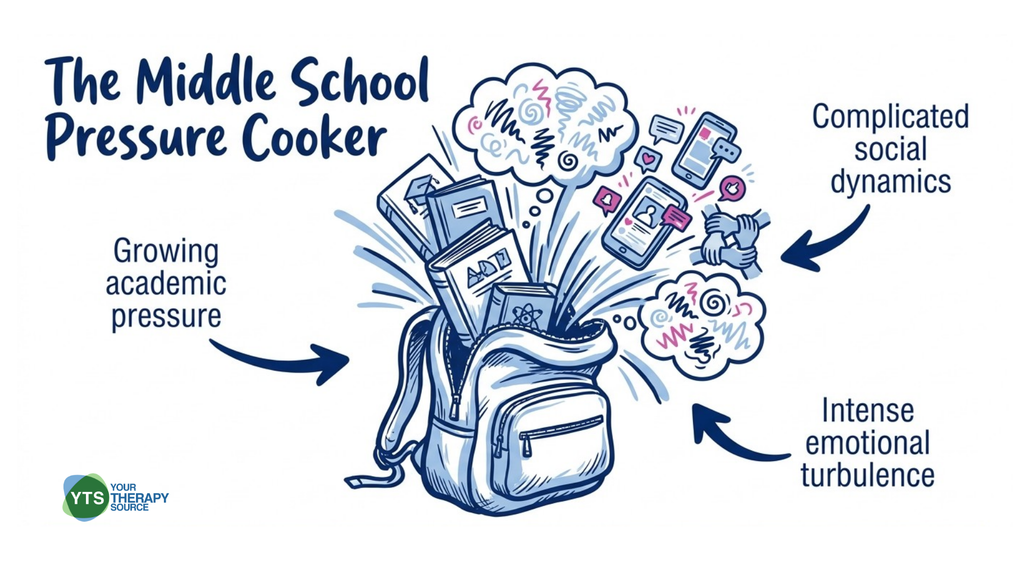
Physical activity and emotional intelligence may be connected in teens. During middle school and early high school, students face many changes. Schoolwork can get harder. Friendships can become more complex. Emotions may also feel stronger.
Emotional intelligence is the ability to notice, understand, and manage emotions. These skills can help students handle stress, solve problems, and get along with others. This is why many schools are looking for simple ways to teach emotional intelligence along with academic skills.
A recent study looked at physical activity, social skills, and emotional intelligence in teens. The researchers wanted to know how these areas were connected. The results may help school teams better understand the links between movement, how students see their physical abilities, and emotional skills.
WHAT THE RESEARCH EXAMINED ON PHYSICAL ACTIVITY AN EMOTION
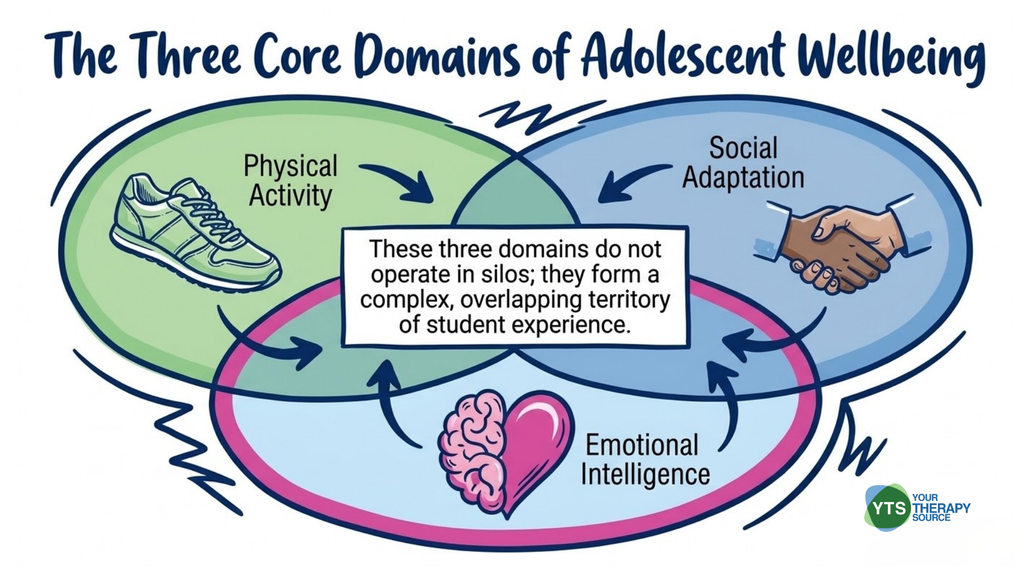
The researchers looked at how different parts of physical activity, social adaptation, and emotional intelligence were connected.
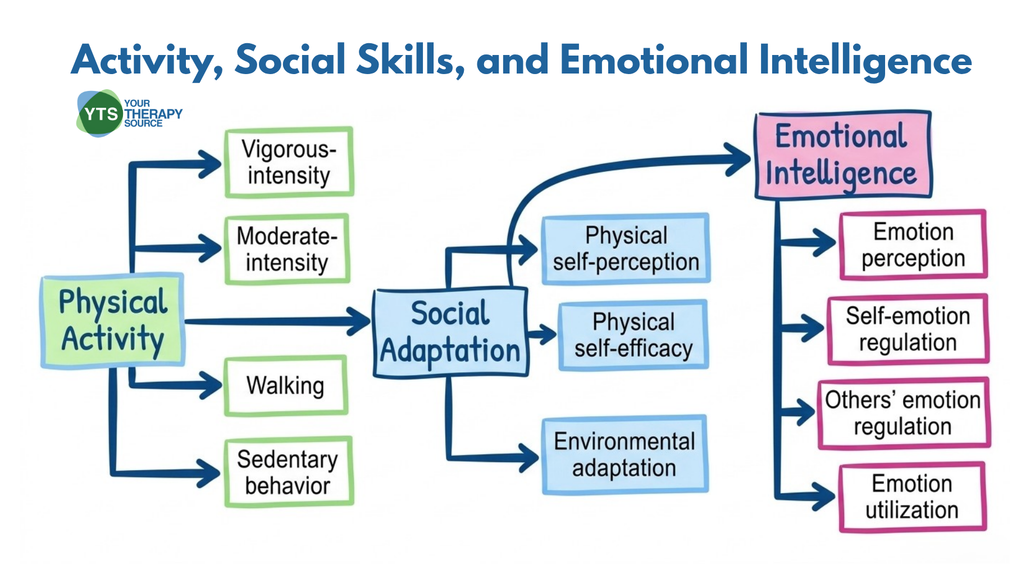
Instead of giving each area one score, they broke the areas into smaller parts.
- The study included 616 students in grades 7 through 9.
- The students attended four junior high schools in Xinjiang, China. Two schools were in cities and two were in rural areas.
- Students completed surveys about physical activity, social adaptation, and emotional intelligence.
- Physical activity included vigorous activity, moderate activity, walking, and sitting or other sedentary behavior.
- Social adaptation included physical self-perception, physical self-efficacy, and adapting to the environment.
- Emotional intelligence included noticing emotions, managing your own emotions, responding to other people’s emotions, and using emotions in helpful ways.
KEY FINDINGS FROM THE RESEARCH
The researchers found several important connections.
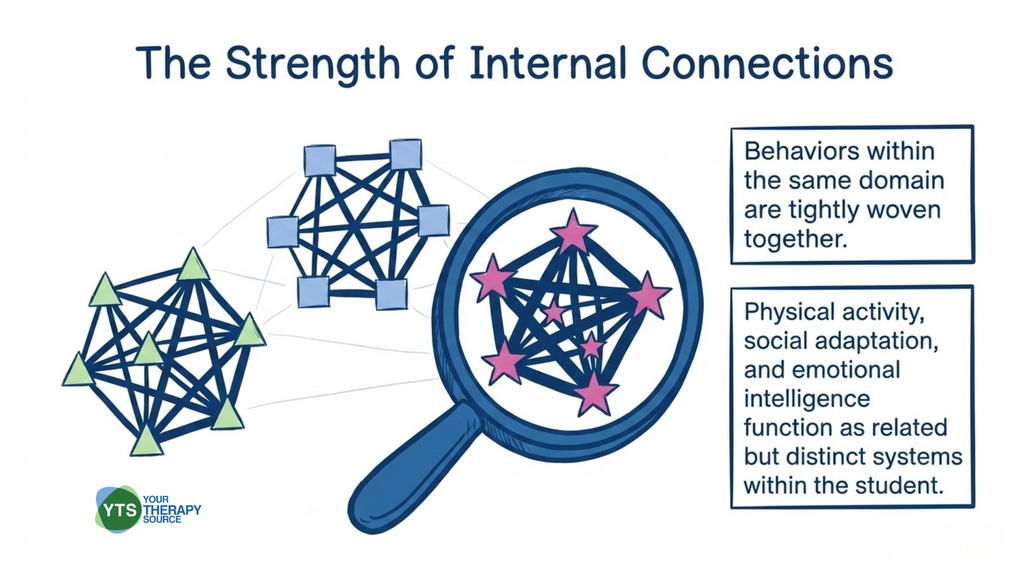
- Skills within the same area were usually more strongly connected to each other than to skills in other areas.
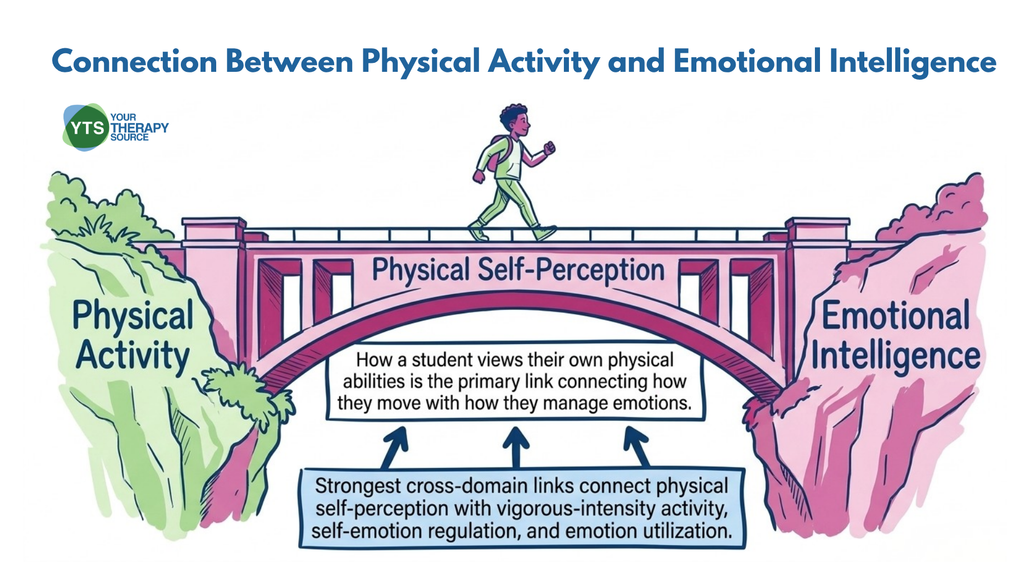
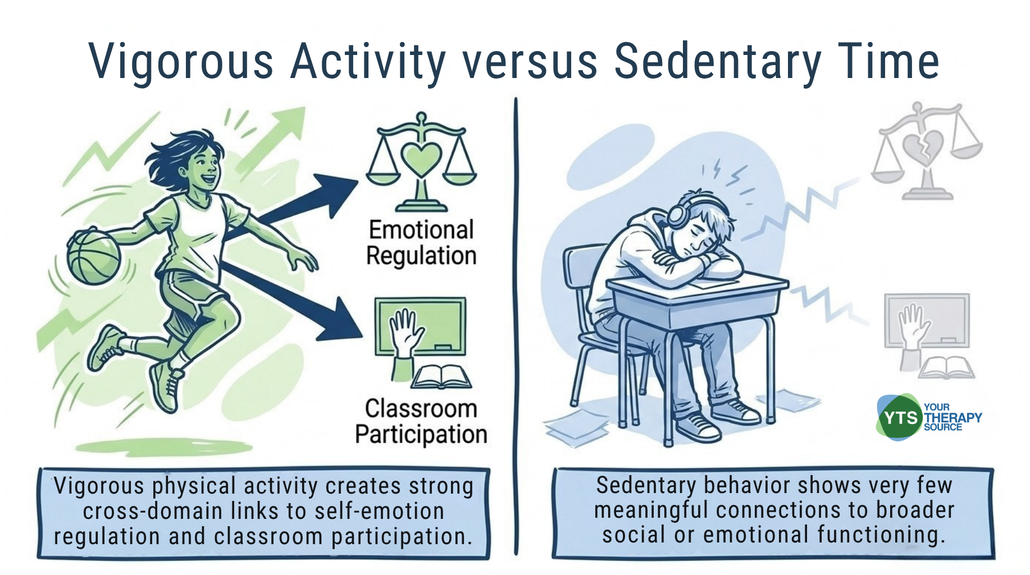
- One of the strongest links was between vigorous physical activity and physical self-perception.
- Physical self-perception was also linked with managing your own emotions and using emotions in helpful ways.
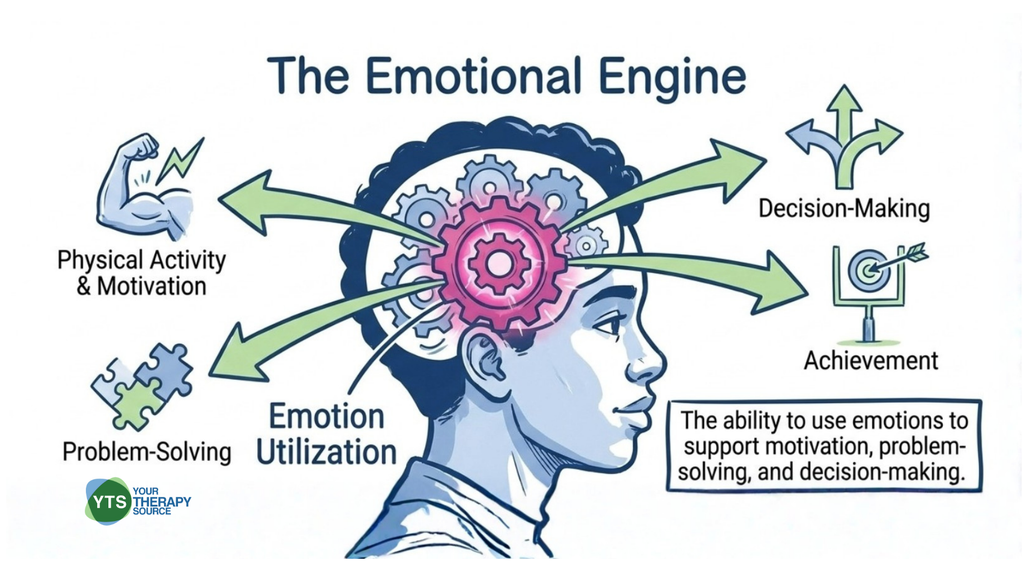
- Emotion utilization had the strongest overall connections in the study. Emotion utilization means using emotions to help with motivation, problem-solving, and making decisions.
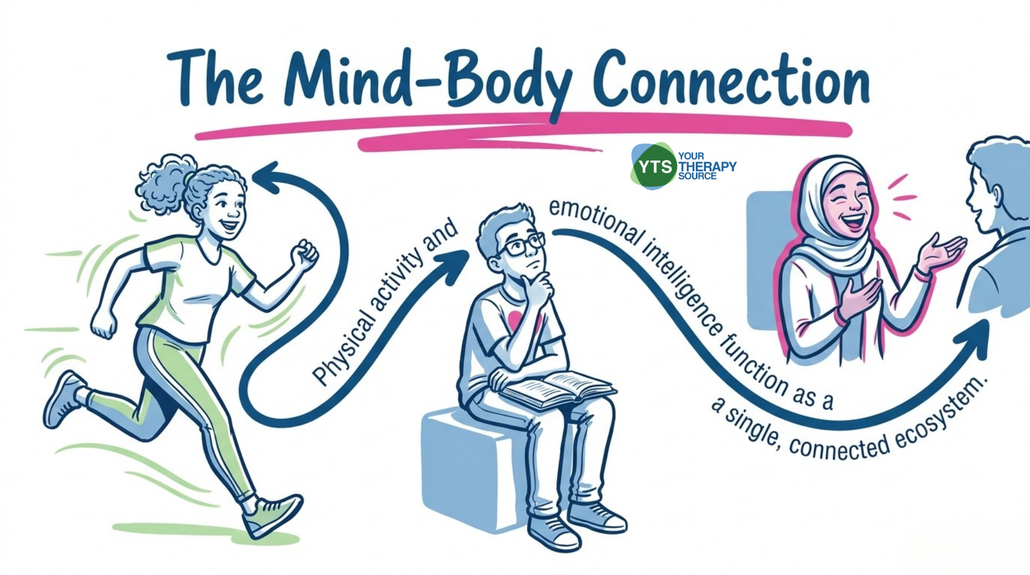
- Physical self-perception was an important link between physical activity and emotional intelligence.
- Sedentary behavior had very few strong connections with the other areas.
These findings suggest that how students feel about their physical abilities may be connected to some emotional skills.
Since using emotions in helpful ways was an important part of the study, it may also be useful to learn more about how emotional intelligence connects to brain development.
WHY THESE FINDINGS MATTER FOR SCHOOL-BASED PRACTICE
How students feel about their physical abilities may be connected to how they manage emotions and take part in school activities.
This gives school teams another area to think about when supporting students.
- Physical self-perception may be a useful place to start because it was connected with both physical activity and emotional intelligence.
- Vigorous physical activity was linked with physical self-perception.
- Physical self-perception was also linked with managing emotions and using emotions in helpful ways.
- These emotional skills can be important during classroom work, problem-solving, and interactions with peers.
- Sedentary behavior had few strong connections with the other areas in the study.
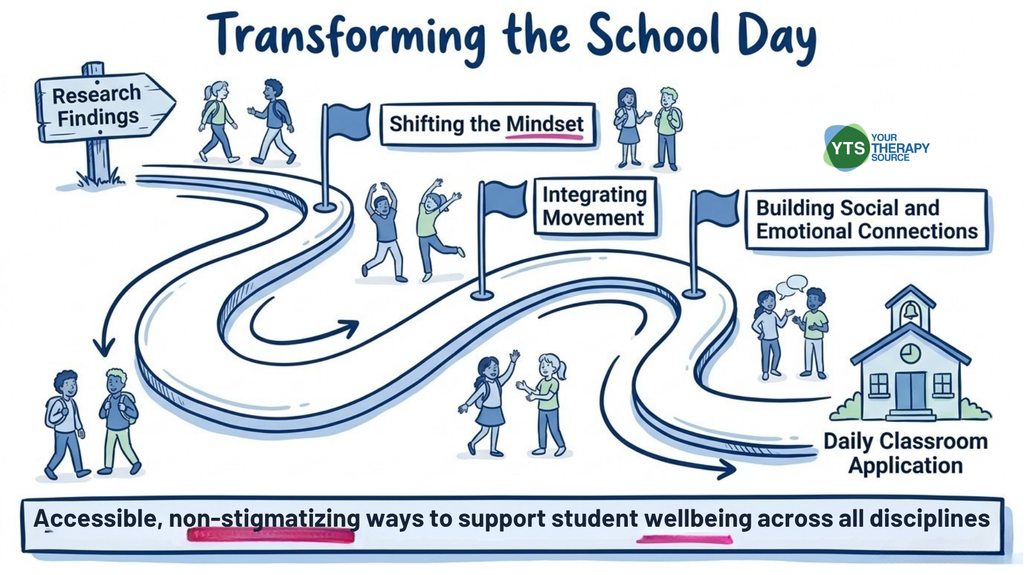
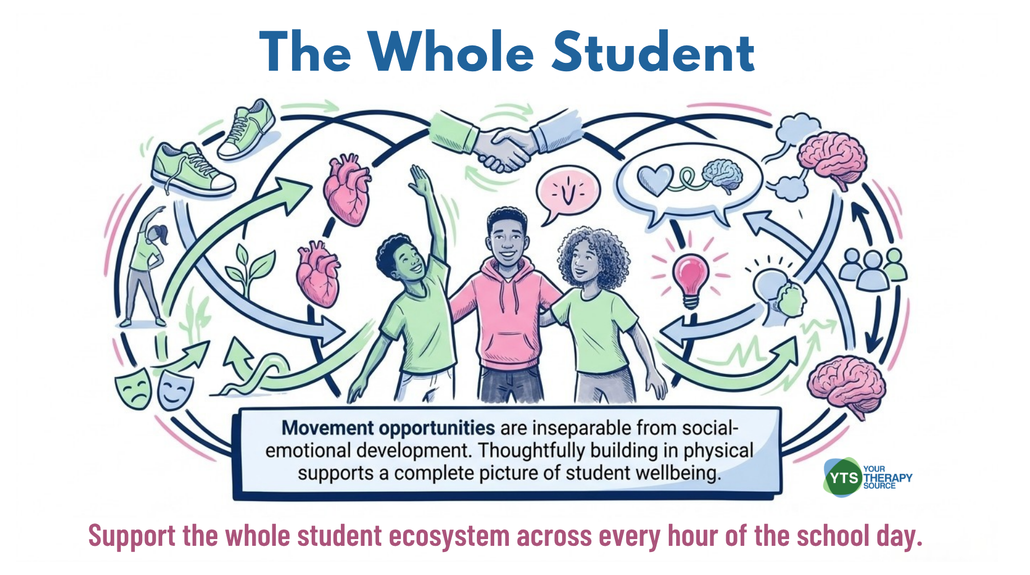
Movement does not need to be viewed only as a way to improve fitness. It may be one part of supporting the whole student.
School teams interested in how movement may ease behavior challenges in the classroom can use this research when thinking about classroom routines and schedules.
These fun emotional intelligence activities for kids can also help students practice emotional skills through active and engaging activities.
IMPLICATIONS FOR SCHOOL STAFF
School staff can pay attention to both physical activity and how students feel about their physical abilities.
This does not mean that avoiding physical activity is a sign of a problem. It also does not mean that movement will fix emotional challenges. Instead, these patterns may give staff more information about how to support a student.
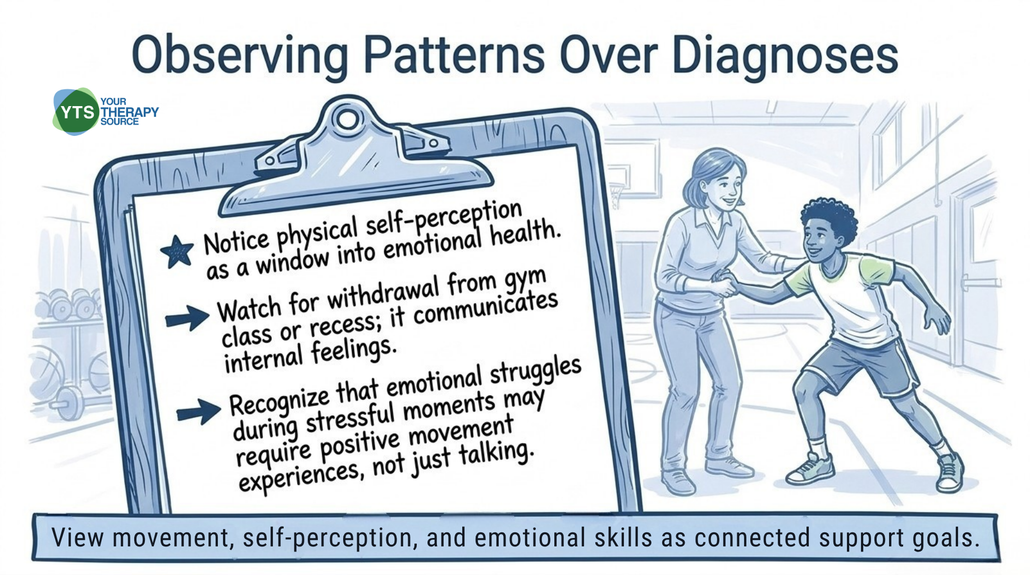
- A student who often avoids PE, recess, or movement activities may not feel confident about their physical abilities.
- A student who has trouble managing emotions during stressful moments may benefit from positive movement experiences.
- Students who sit for long periods may benefit from more chances to move during the school day.
- Giving students different ways to participate may help more students feel successful with movement.
Movement, self-perception, and emotional skills can be considered together as part of a whole-student approach.
Staff who already use emotional regulation activities for kids may want to pair these activities with regular chances to move.
Some students may also find sound and music helpful when managing emotions. Learning more about music and emotions can provide another simple option for supporting students.
10 PRACTICAL STRATEGIES OR CONSIDERATIONS
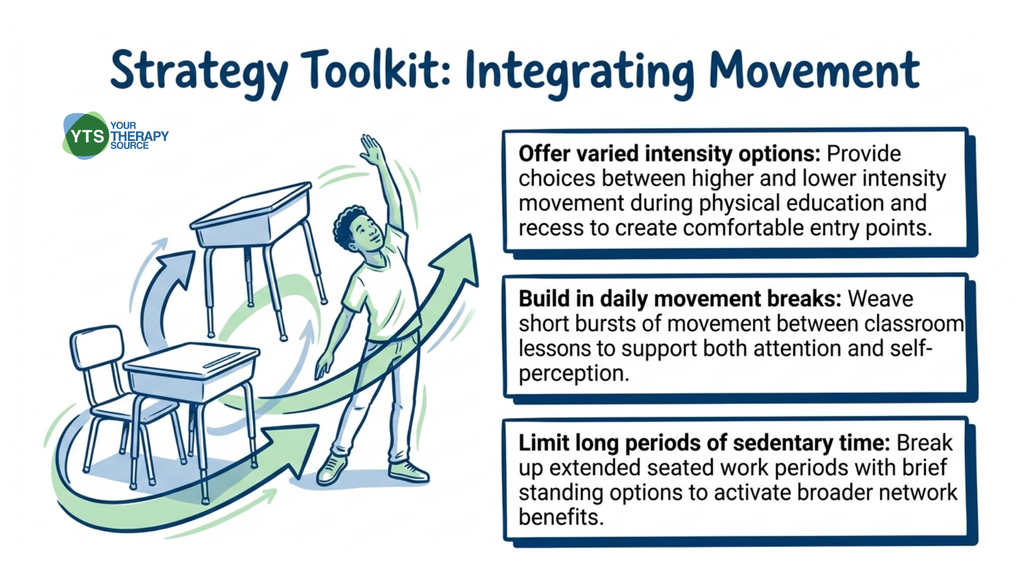
- Offer different movement choices. Give students choices between higher and lower intensity activities. This can help more students find a way to participate that feels comfortable.
- Add daily movement breaks. Break up long periods of sitting with short movement activities. Try these simple movement breaks for the classroom between lessons or during longer work periods.
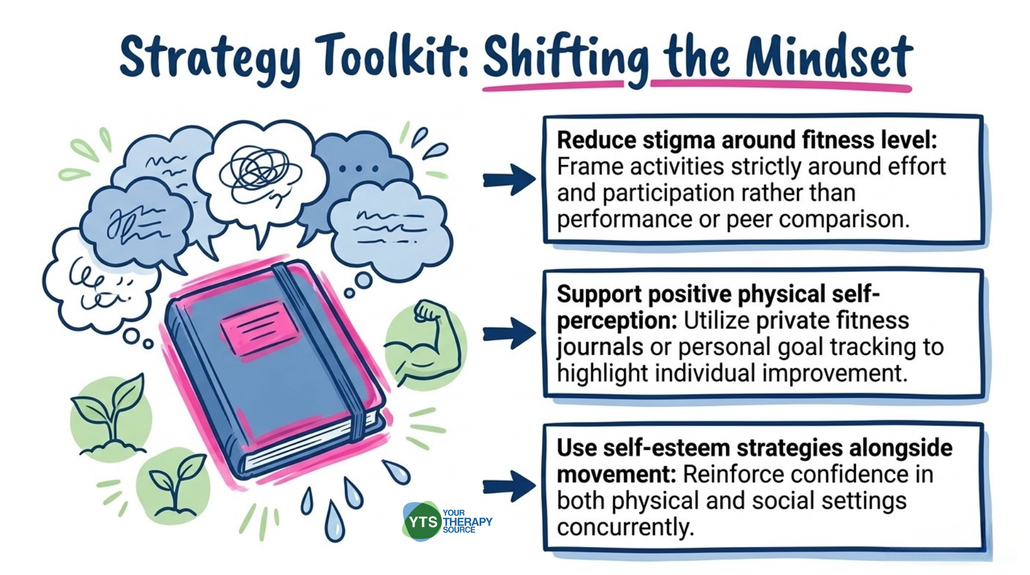
- Focus on effort instead of performance. Avoid comparing students whenever possible. Praise effort, participation, practice, and personal progress.
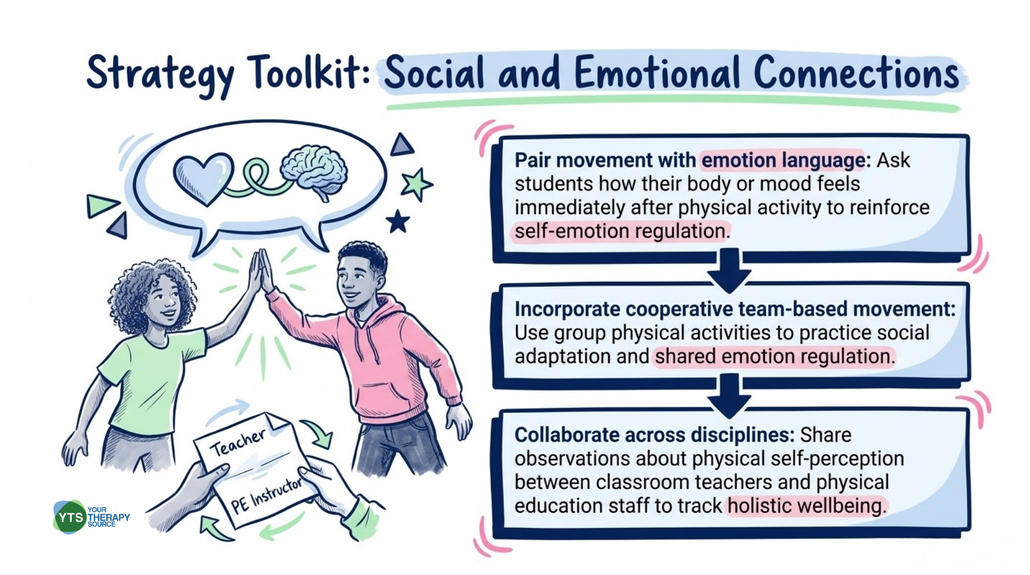
- Connect movement and emotions. After movement, ask students to notice how they feel. Did their energy change? Do they feel calmer, more alert, or about the same? Emotional intelligence activities for teens can provide more ways to practice these skills.
- Build confidence with movement. Choose activities where students can notice their own progress. Personal goals or simple fitness journals can help students focus on improvement instead of comparison.
- Notice when students avoid movement. If a student often avoids physical activities, consider checking in. A different activity, smaller group, or another way to participate may help.
- Try cooperative movement activities. Partner and team activities can give students chances to practice communication, teamwork, and managing emotions.
- Break up long periods of sitting. Give students short chances to stand, stretch, walk, or move during the school day.
- Build self-esteem along with movement. Try pairing physical activity with self-esteem activities that help students notice their strengths and progress.
- Work together as a team. PE teachers, classroom teachers, and related service providers can share what they notice. A student may show different strengths and challenges in different settings.
CONCLUSION
Physical activity, social adaptation, and emotional intelligence may be connected during the teen years. In this study, physical self-perception was an important link between physical activity and emotional intelligence. In other words, how students viewed their physical abilities was connected with both movement and emotional skills.
The ability to use emotions in helpful ways was also an important part of the findings. This includes using emotions to support motivation, problem-solving, and decision-making. For school teams, the research is another reminder to look at the whole student. Movement, emotions, confidence, and social experiences do not always happen separately.
Giving students positive chances to move and helping them feel successful with physical activity may be useful parts of supporting student wellbeing throughout the school day.
REFERENCES
Cheng, G., Wang, Y., Qiu, W., Yang, X., Gao, S., Zhong, J., Wang, X., Wang, H., Cui, H., Li, R., Xiao, H., Wang, Q., & Liu, C. (2026). Exploring the associations among physical activity, social adaptation, and emotional intelligence in adolescents: a network analysis study. Scientific Reports. https://doi.org/10.1038/s41598-026-63268-7

