,

Oral Stimming in Students: What Does the Research Say?

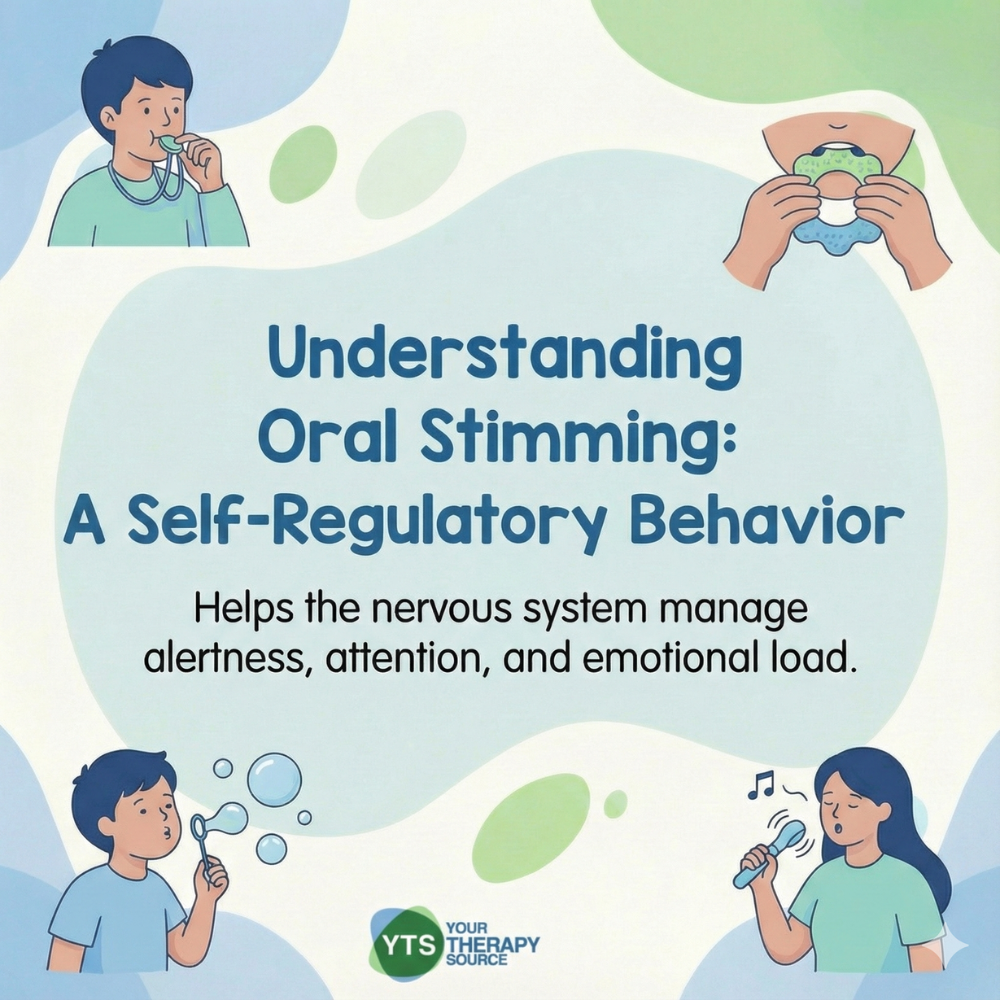
Chewing on shirt collars, biting pencils, humming during lessons, or constantly mouthing objects are behaviors that often raise concern in classrooms and at home. These oral stimming actions are sometimes labeled as habits to break or behaviors to stop. However, research across neuroscience, psychology, and developmental science suggests a different interpretation. For many students, oral […]

,

Understanding Stimming: Why Kids Do It and How We Can Support Them

Stimming is a natural and meaningful way many children regulate their bodies, emotions, attention, and social experiences. Although stimming is often discussed in relation to autism, it is not unique to autistic children. All humans engage in repetitive actions such as tapping a foot, doodling, pacing, or humming. For many neurodivergent children, stimming is more […]

,

Visual Processing and Autism: Bottom-Up Processing Explained

Understanding how students with autism process visual information can help teachers and pediatric therapists better support learning and participation. A recent research article published in the Journal of Autism and Developmental Disorders (Huang et al., 2025) explored how visual processing and autism are connected, specifically how autistic individuals handle local details versus the overall big […]

Autism and the Gut: GI Symptoms and Behavior

Many children with autism experience stomach and digestion challenges that can affect their daily lives. A new study shows these gastrointestinal (GI) issues are not only more common in autism, but they often last through childhood and connect to sleep, behavior, and learning. Understanding the link between autism and the gut can help parents, educators, […]

,

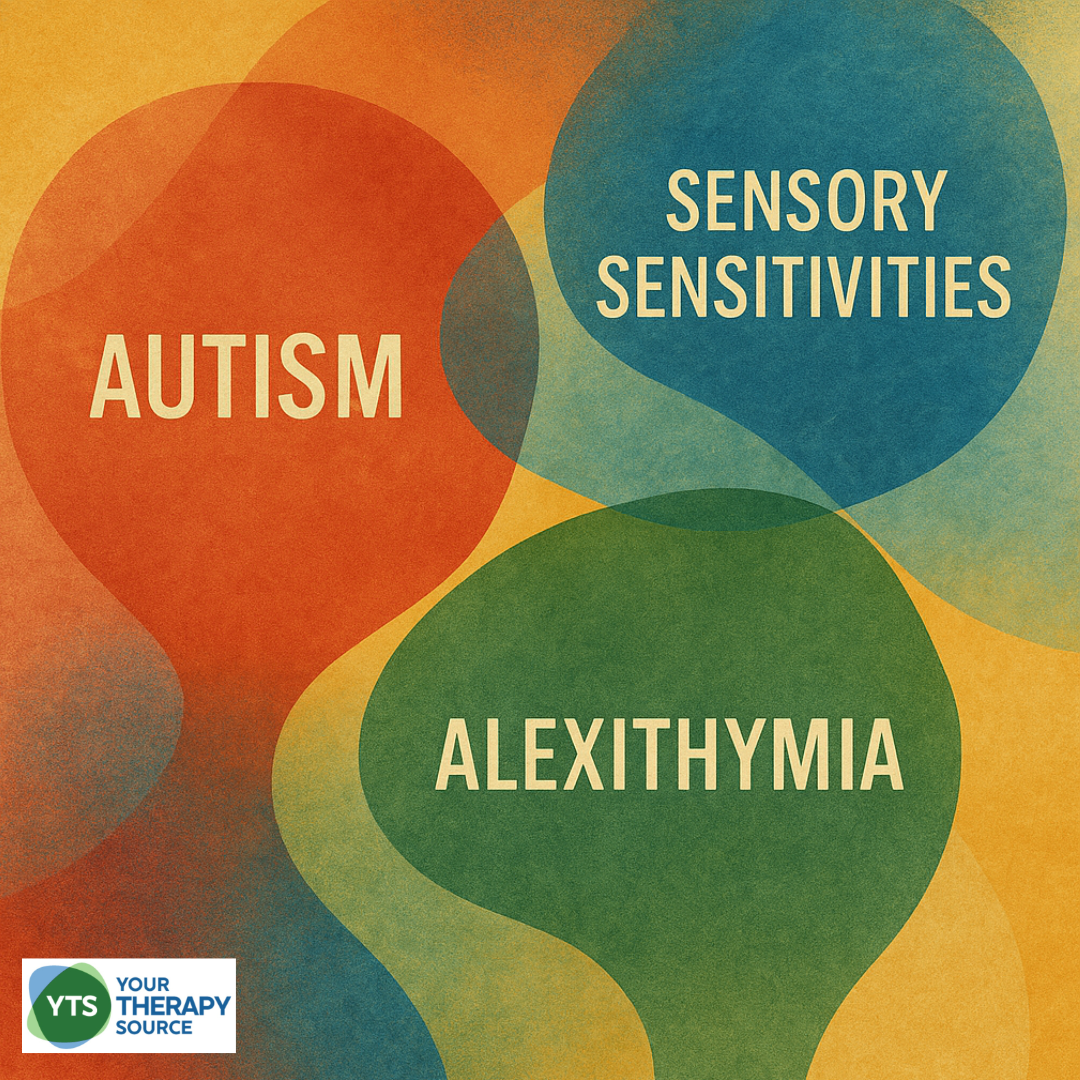
Rethinking Sensory Sensitivities in Autism: The Overlooked Role of Alexithymia

A new twin study published in Translational Psychiatry offers fresh insight into a longstanding question: why do some individuals with autism experience intense sensory sensitivities while others do not? The findings suggest that a trait called alexithymia, which is a difficulty identifying and describing one’s own emotions, may share genetic links with sensory traits often […]

,

Sensory Seeking Behaviors and Attention Span in Autism

Sensory processing differences, including sensory seeking behaviors, are a core feature of autism spectrum disorder. Many autistic individuals actively seek out sensory input such as movement, textures, sounds, or visual patterns to regulate their experience of the world. While these behaviors can provide self-regulation and comfort, recent research suggests they may also impact cognitive functions, […]

,

Perspectives on Sensory Processing in Children with Autism – What Does the Research Say?

Understanding sensory processing in children with autism is essential for parents, educators, and occupational therapy providers. Sensory processing differences affect daily life, school participation, and family dynamics. Recent research explored sensory processing in children with autism from multiple perspectives. SENSORY PROCESSING AND AUTISM Sensory processing is how the nervous system receives and interprets sensory input […]

Movement Interventions for Autism: What Does the Research Say?

Children with Autism Spectrum Disorder often face challenges beyond the hallmark social and communication difficulties, including gross and fine motor impairments. Recent research highlights the critical role of movement interventions for autism in addressing these challenges. For pediatric occupational and physical therapists, understanding and implementing these interventions can make a significant difference in supporting children […]

,

Supporting Sensory Processing in Children with Autism with Collaborative Strategies

Children with Autism Spectrum Disorder (ASD) often experience sensory processing challenges that impact their interactions, daily activities, and learning experiences. By working together, parents, teachers, and therapists can create a well-rounded support system that addresses each child’s unique sensory needs. Key research on sensory processing in autism offers collaborative strategies for supporting sensory processing in […]