How to Measure Interoception in Young Children: What the Research Says
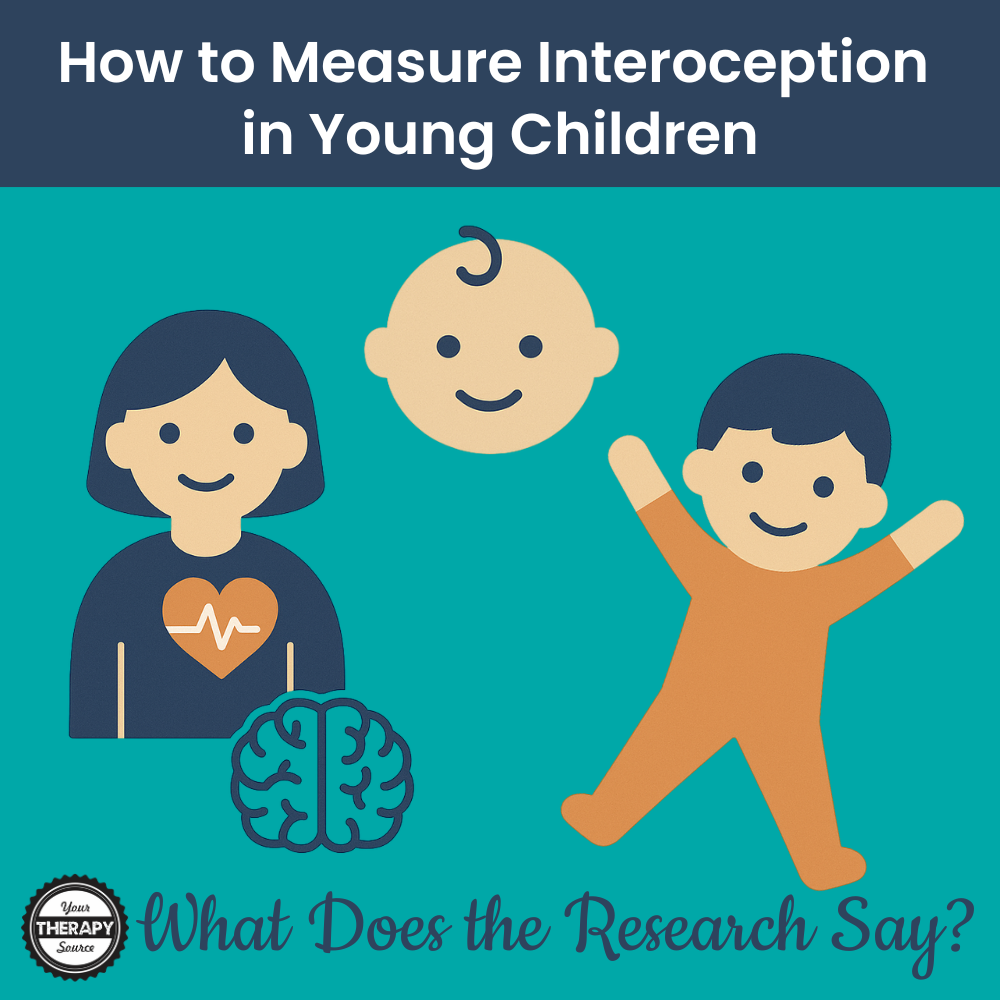
Interoception is our ability to sense internal body signals like hunger, heartbeat, or the need to use the bathroom. It’s a key part of self-regulation, emotional development, and body awareness. A recent scoping review examined how to measure interoception in young children, from infancy through childhood. The findings offer helpful insights for occupational therapists, physical […]
Vestibular Function and Neurodevelopmental Disorders

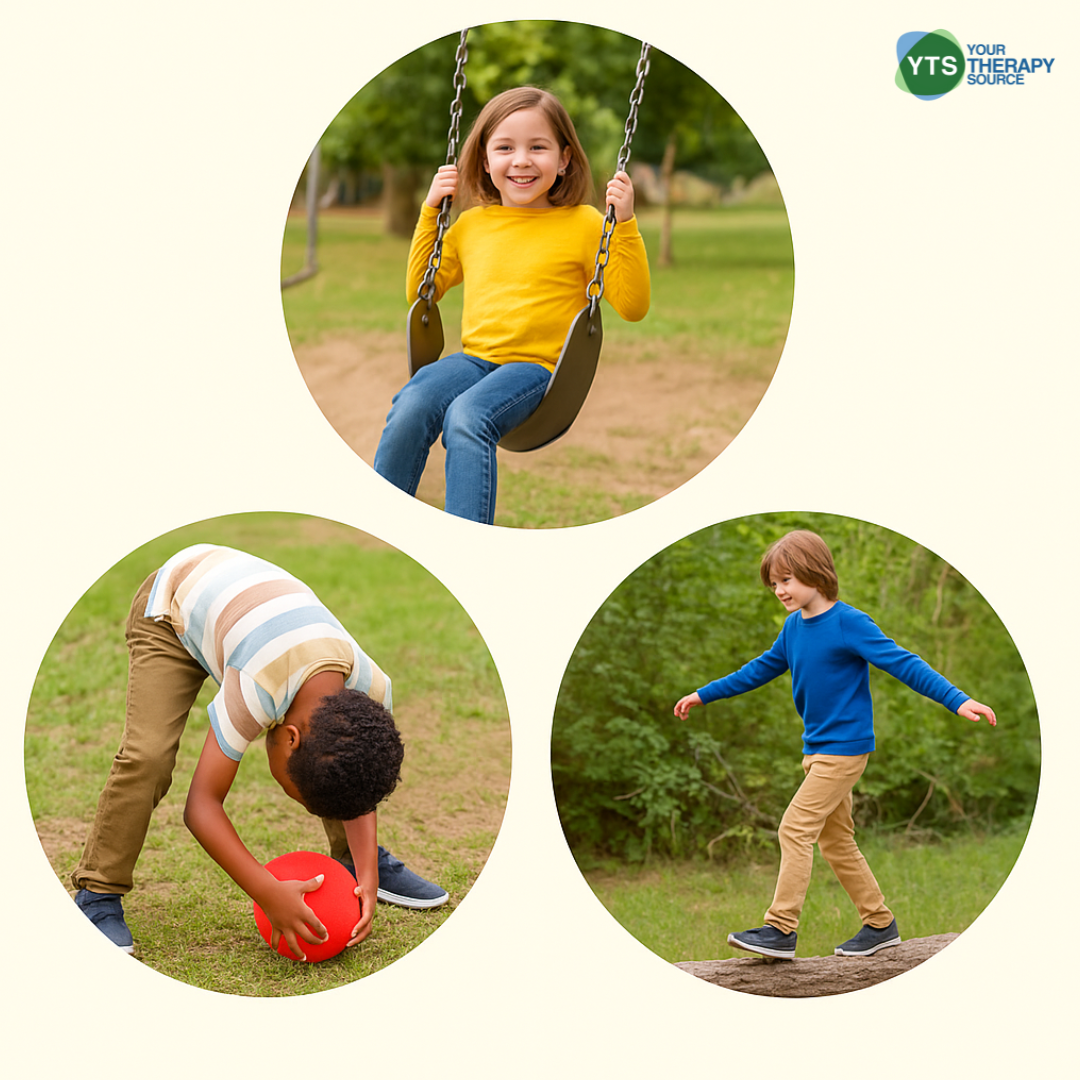
Children with neurodevelopmental disorders (NDDs) often face challenges with balance, movement, coordination, and sensory processing. One system that may play a key role in these difficulties is the vestibular system. Two recent studies offer important insights into how vestibular function may differ in children with autism spectrum disorder (ASD), attention-deficit/hyperactivity disorder (ADHD), developmental coordination disorder […]

,

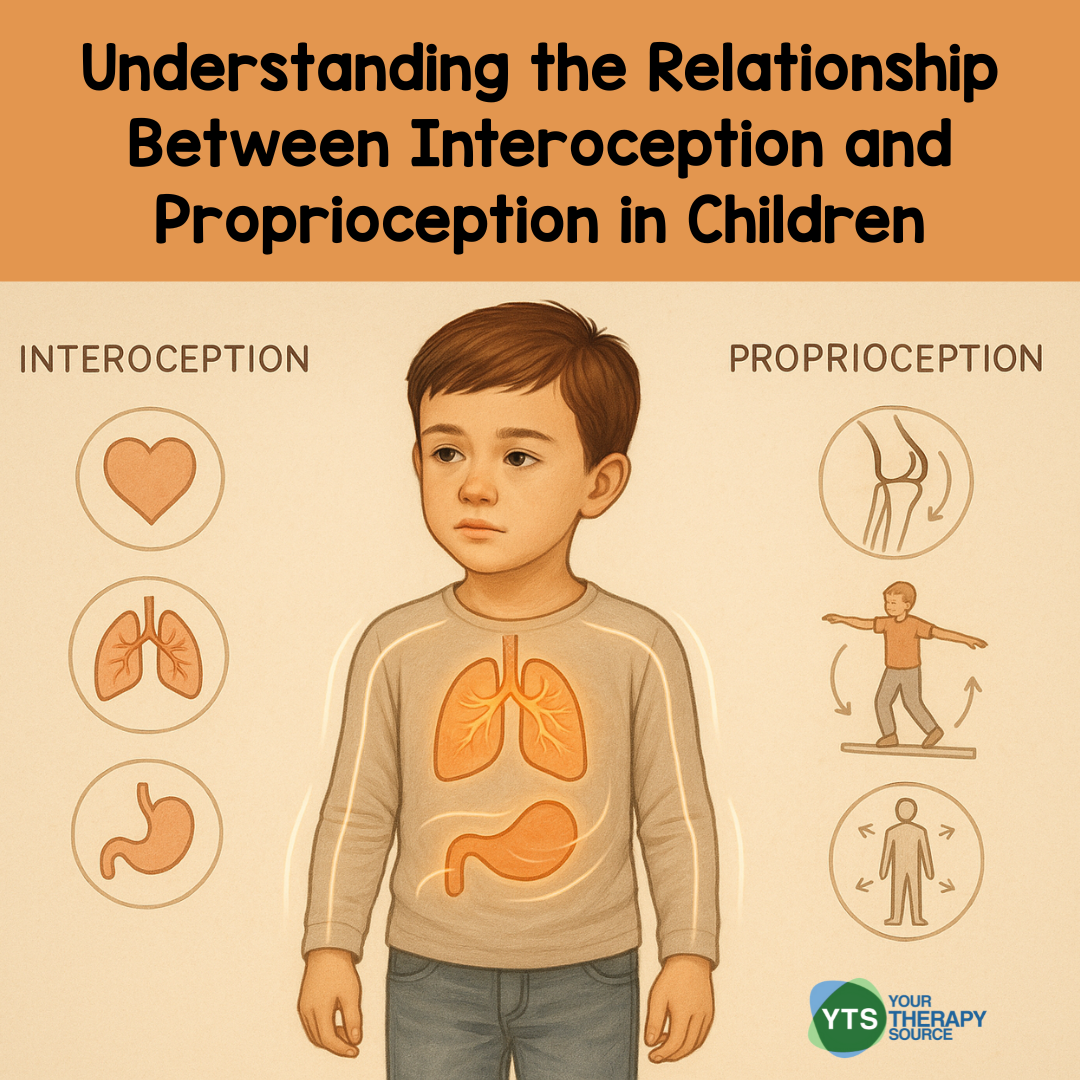
Understanding the Relationship Between Interoception and Proprioception in Children

Children develop body awareness and emotional regulation through more than just sight, sound, and touch. Two lesser-known but essential sensory systems, interoception and proprioception, play a critical role in helping children navigate the physical and emotional demands of daily life. These systems influence how children move, how they manage their energy, and how they respond […]

,

Rethinking Sensory Sensitivities in Autism: The Overlooked Role of Alexithymia

A new twin study published in Translational Psychiatry offers fresh insight into a longstanding question: why do some individuals with autism experience intense sensory sensitivities while others do not? The findings suggest that a trait called alexithymia, which is a difficulty identifying and describing one’s own emotions, may share genetic links with sensory traits often […]

How are Temperature, Air Pressure and Sensory Processing Related?

Environmental changes like air pressure and temperature shifts are a part of everyday life. But for individuals with sensory processing differences, including many children, these shifts can influence how their body feels, how they behave, and how they function in school and at home. Understanding temperature, air pressure and sensory processing can help caregivers, educators, […]

,

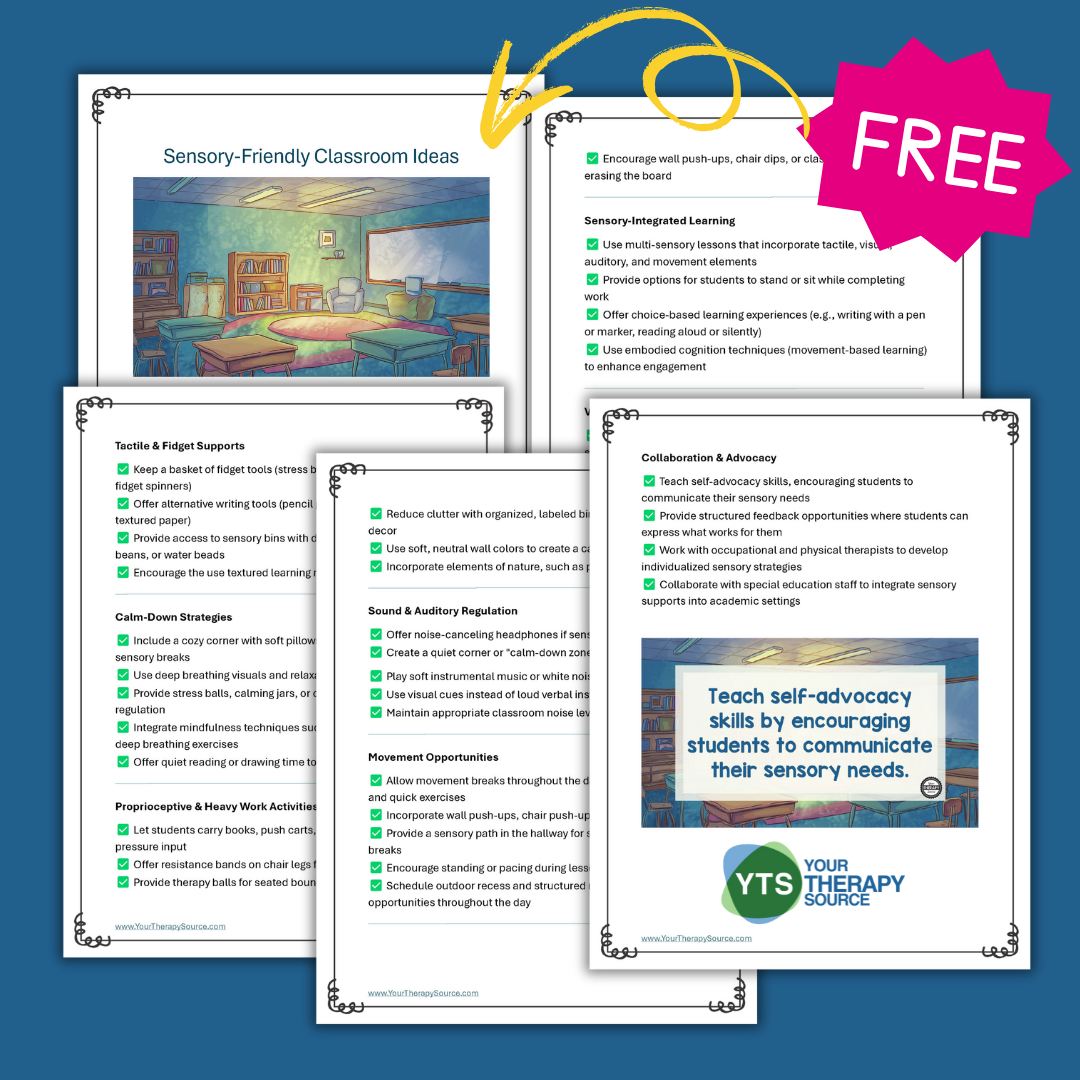
Sensory Friendly Classroom Ideas – Free Printable Handout

Creating a sensory friendly classroom helps all students succeed by supporting self-regulation, focus, and emotional well-being. Whether students have sensory processing challenges or simply benefit from structured movement and environmental supports, small changes in the classroom can lead to big improvements in engagement and learning. To help educators, therapists, and school staff, we’re offering a […]

,

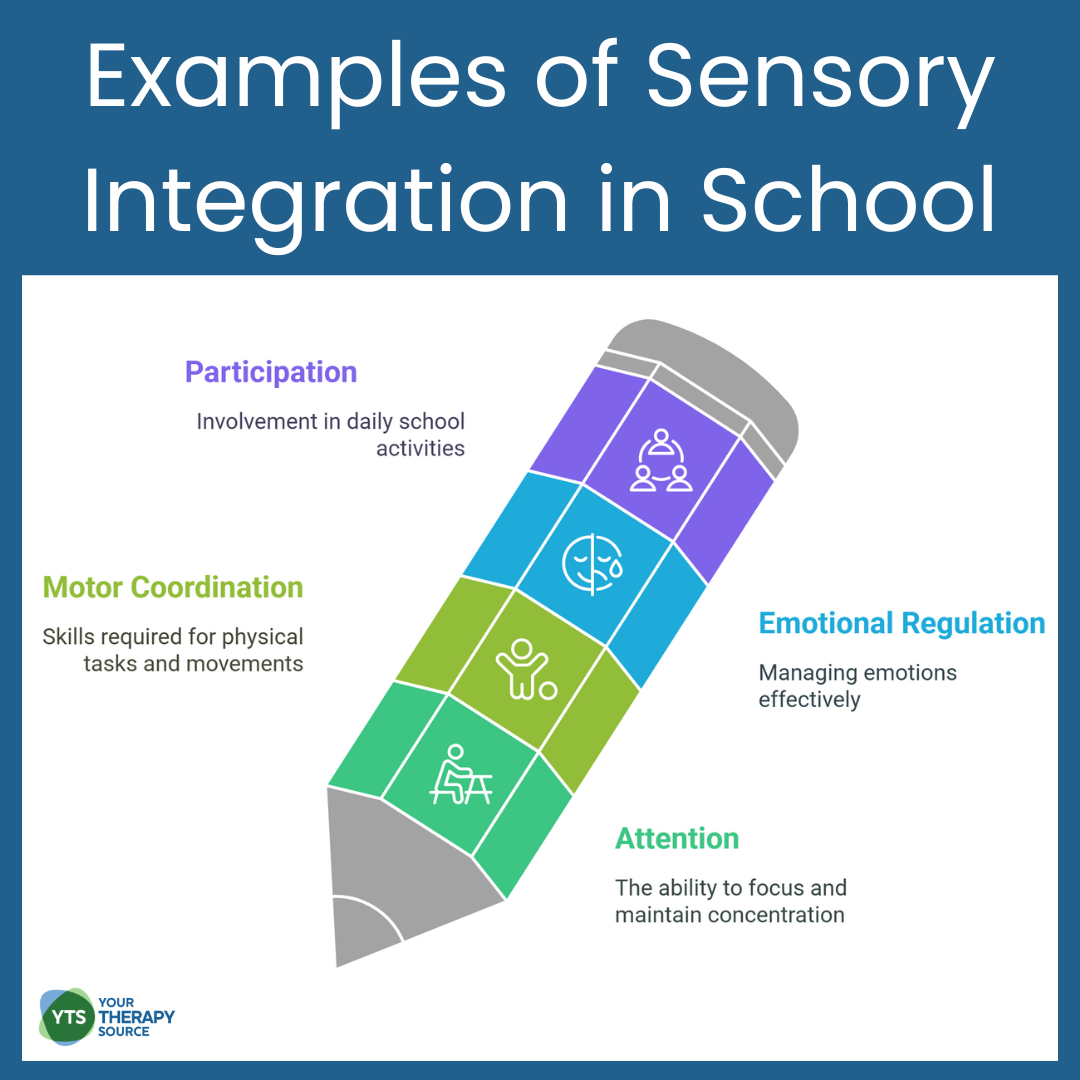
Sensory Integration at School

Supporting students’ ability to learn, engage, and participate in school is essential for educators, occupational therapists, physical therapists, and parents. Sensory integration at school plays a crucial role in a child’s success in the classroom, influencing attention, motor coordination, emotional regulation, and participation in daily activities. Despite its significance, the use of Ayres Sensory Integration® […]