,

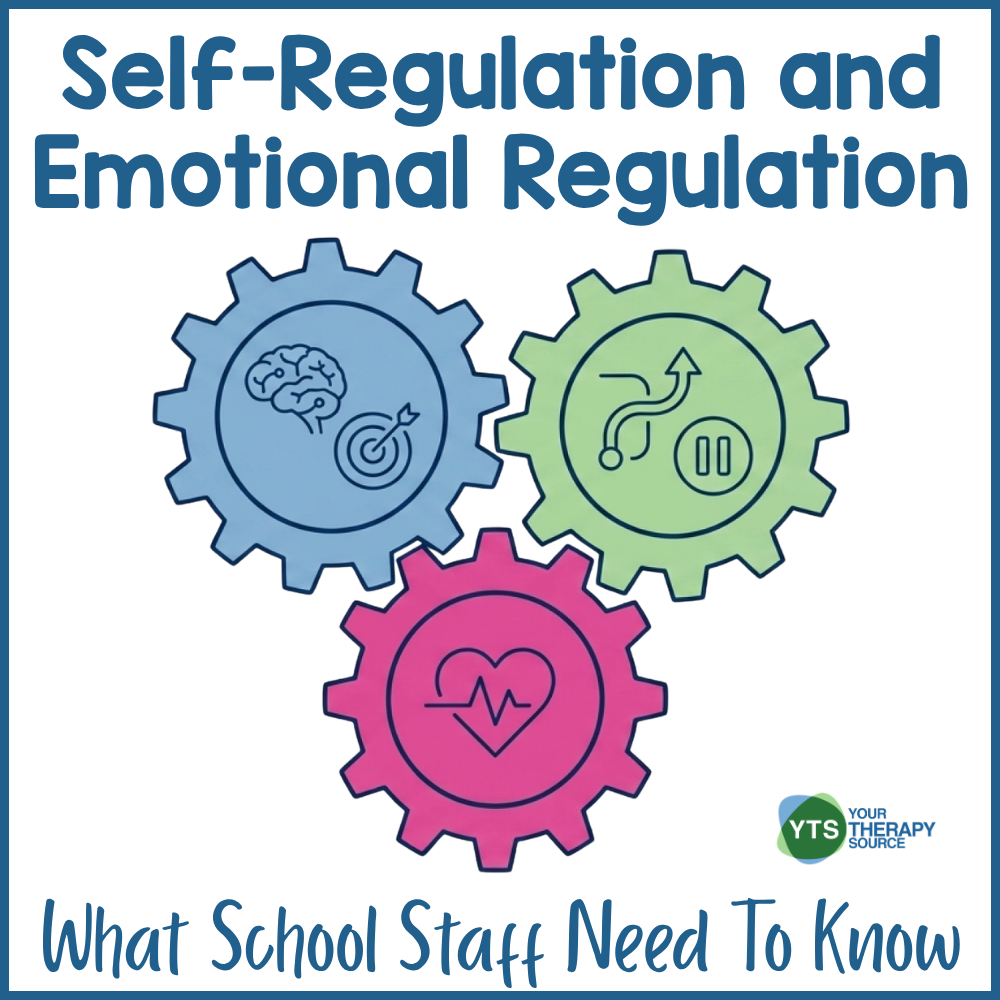
Self-Regulation and Emotional Regulation: What School Staff Need To Know

Self-regulation vs. emotional regulation is a distinction that comes up often in school-based practice, yet the two terms are frequently used as if they mean the same thing. For occupational therapists, physical therapists, school counselors, special educators, and other support staff working with students who have neurodevelopmental conditions such as autism, ADHD, or intellectual disability, […]

, ,

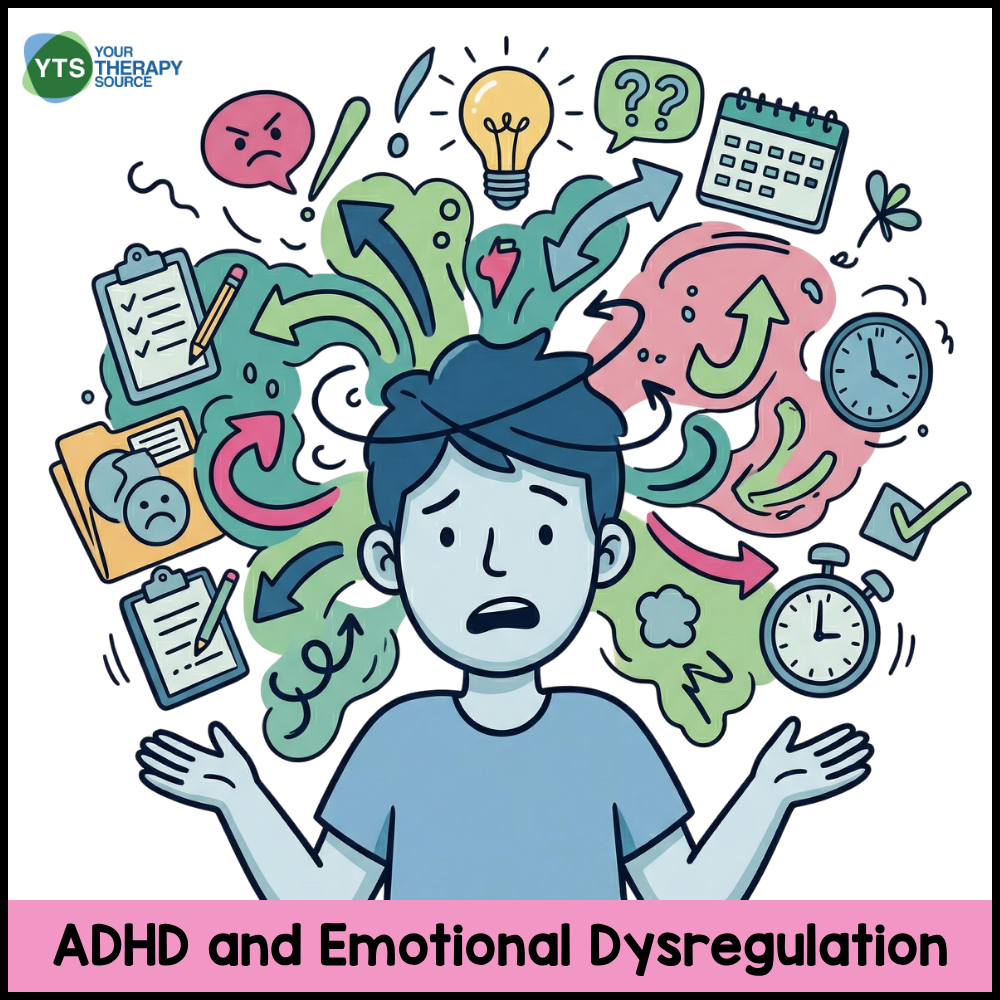
ADHD and Emotional Dysregulation – What Does the Research Say?

ADHD and emotional regulation are closely connected for many children in school settings. While inattention and hyperactivity are the most recognized signs of ADHD, difficulties managing emotions are also a common and significant part of how this condition shows up in daily life. These emotional challenges can affect how children perform in class, interact with […]

,

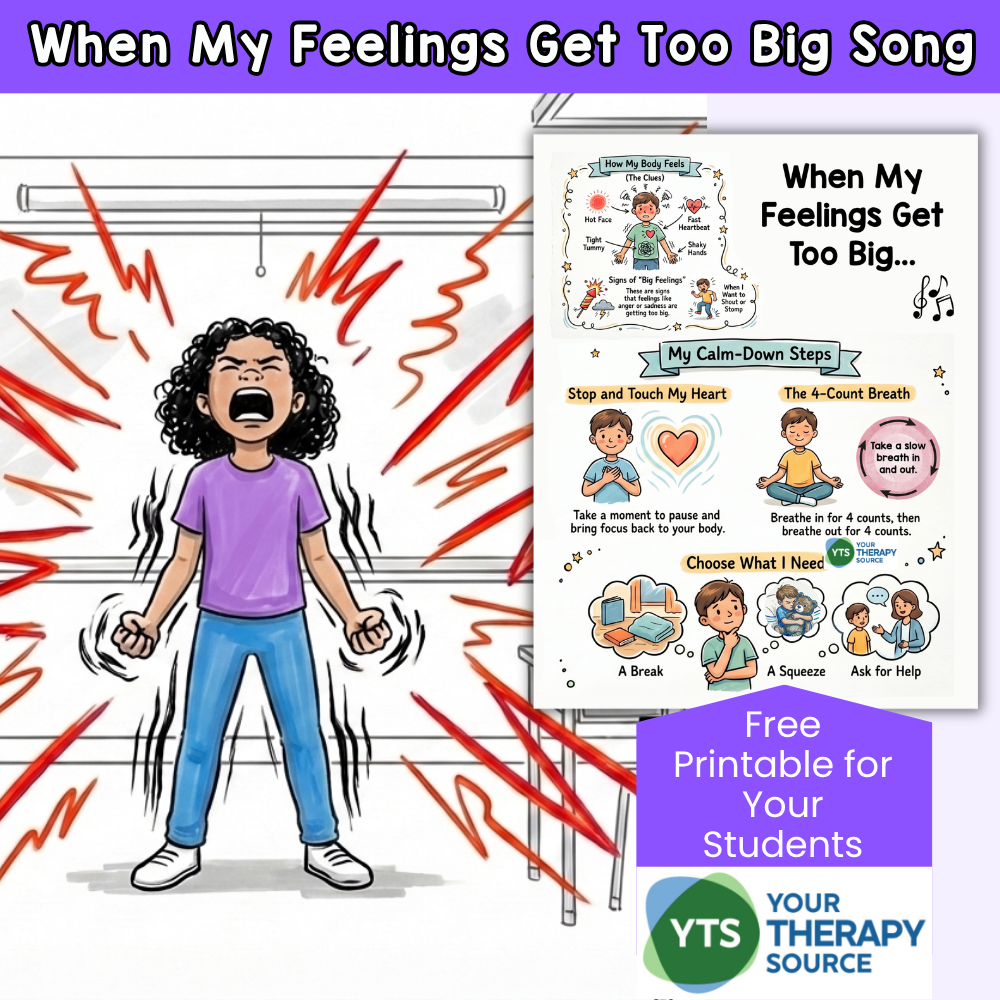
Making Choices Song and Free Printables

Looking for a making choices song that supports emotional awareness, self-reflection, and growth mindset skills? The Making Choices Song was created to help students recognize that reactions are part of learning. Every child has strong feelings sometimes. Some reactions help situations improve. Some reactions make situations harder. The goal is not perfection. The goal is […]

,

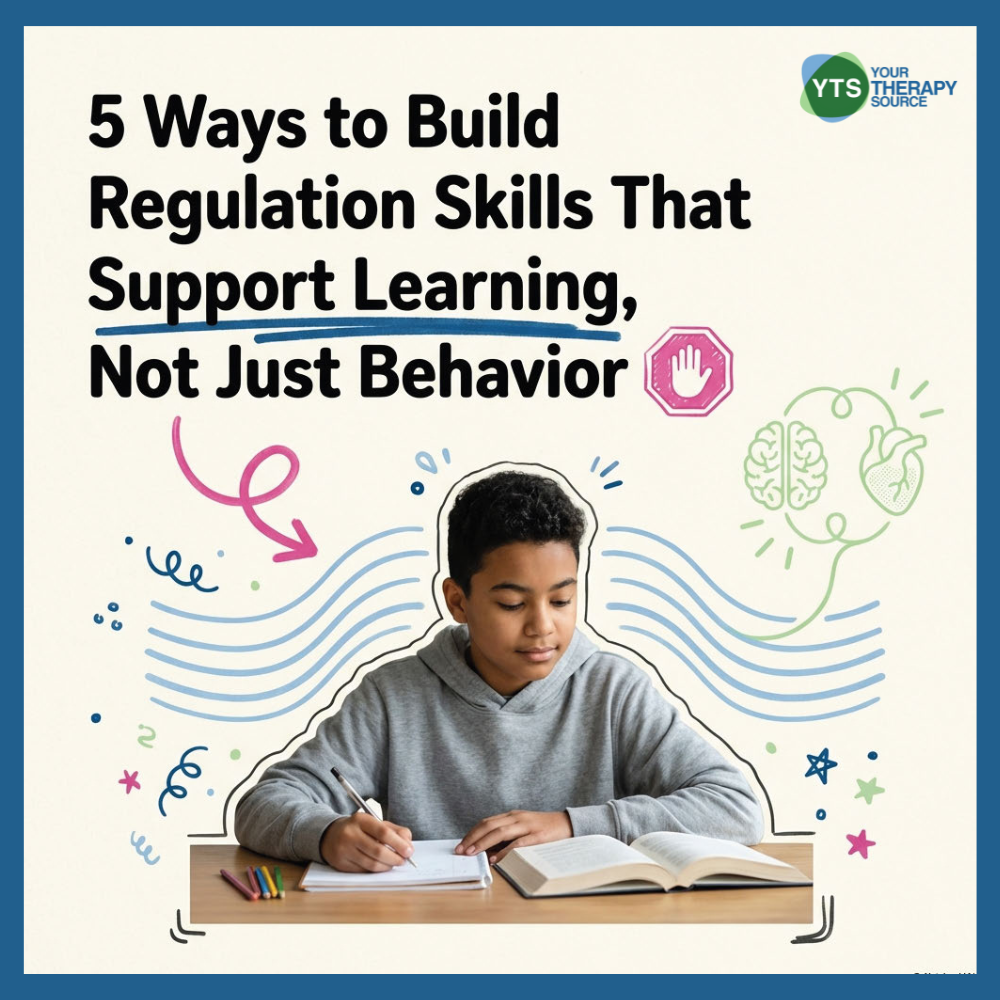
5 Ways to Build Student Regulation Skills That Support Learning, Not Just Behavior

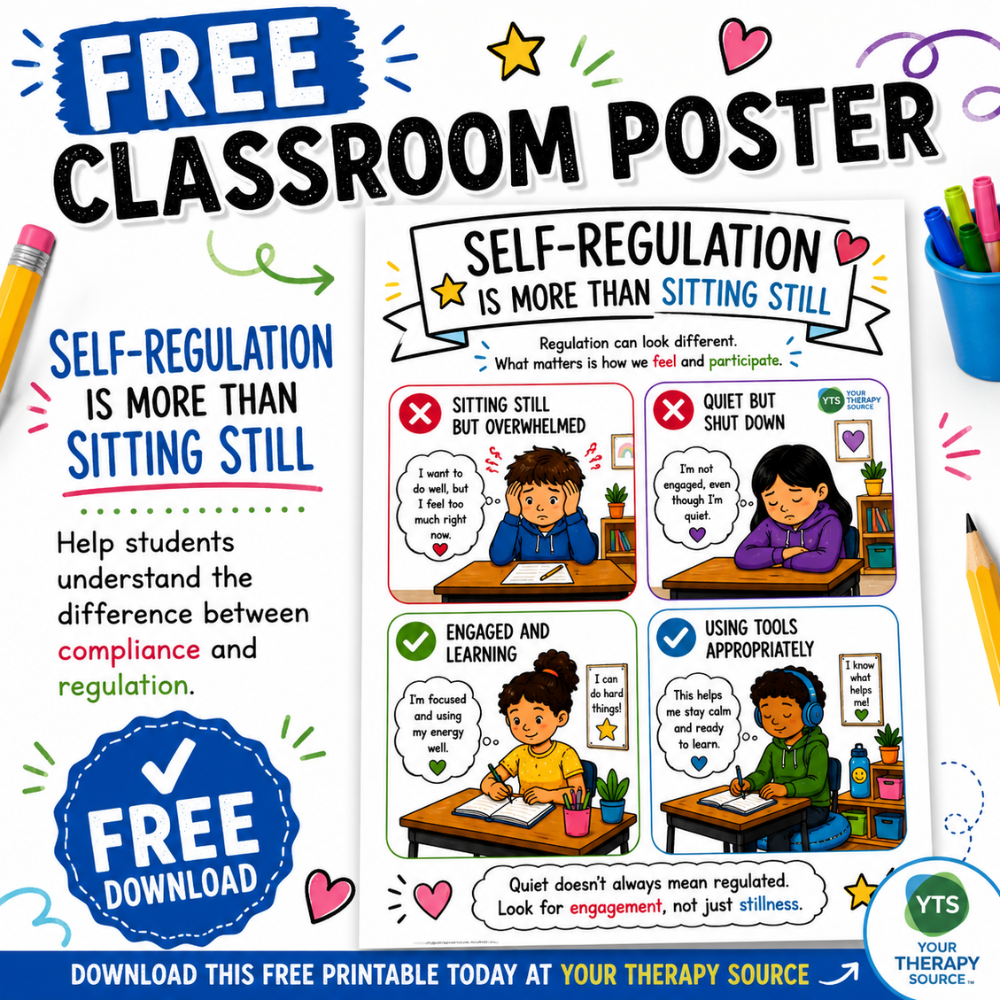
When we think about student regulation in schools, it’s easy to default to behavior management strategies: visual schedules, token systems, consequences. But they often miss an important point: student regulation isn’t just about compliance or sitting still. It’s about creating the internal conditions students need to actually learn. As related service providers and special education […]

,

Interoception in the Classroom: How Internal Body Awareness Shapes Regulation and Participation

In classrooms, students are expected to regulate emotions, maintain attention, transition between activities, and participate socially and academically throughout the day. When these skills break down, challenges are often addressed through behavioral supports, academic accommodations, or environmental modifications. However, an underlying system frequently influences all of these areas. Learn more about how interoception in the […]

,

Thermosensory Signals and Self Regulation

Understanding how thermosensory signals and self regulation interact can support educators and therapists in thinking more broadly about the sensory context of learning. Thermosensory signals include skin temperature and the perception of warmth or cold. In adult research, these signals have been linked not only to physical regulation but also to how individuals experience their […]

, ,

Sharing Information on Stimming Behaviors – Free Handout

Stimming behaviors are a natural and meaningful way many children regulate their bodies, emotions, attention, and thinking. While stimming is often misunderstood in school and community settings, a neuroaffirming perspective helps shift the focus from stopping behaviors to understanding what students need to feel safe, supported, and ready to learn. To support educators, therapists, and […]

,

Working Memory and Self Regulation

In elementary classrooms, challenges with impulse control, following directions, and staying focused are often viewed as behavior problems. However, research continues to show that many of these difficulties are closely tied to working memory demands, not a lack of motivation or effort. Recent research took a closer look at working memory and self regulation skills […]