Exercise and Mental Health in Children with ADHD
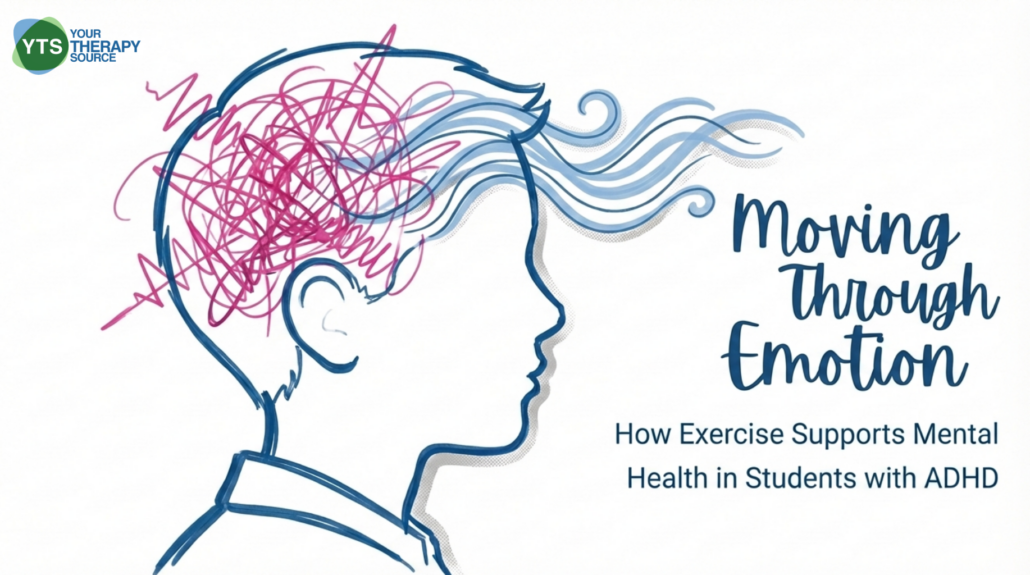
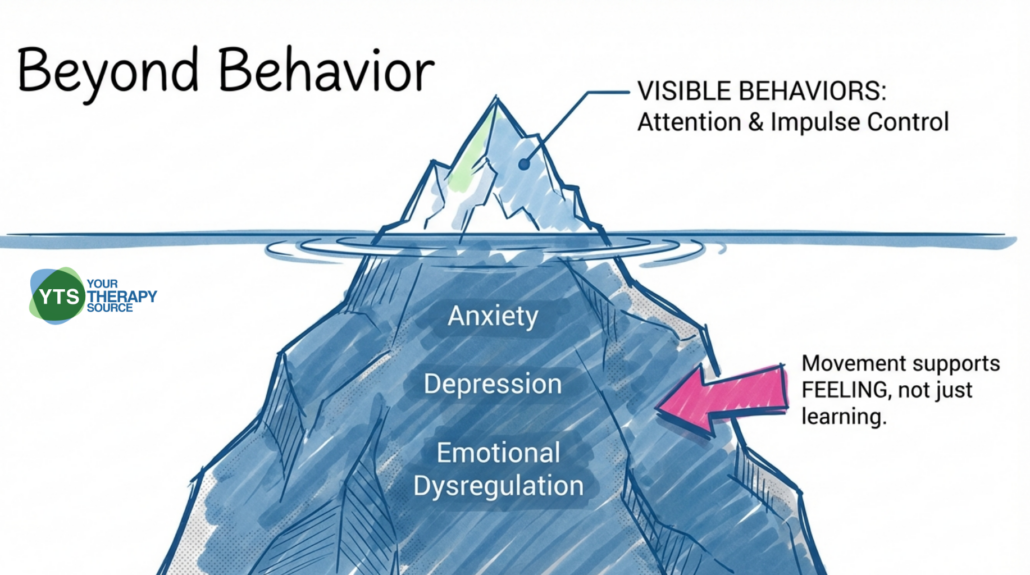
Exercise and mental health in children with ADHD is a topic that matters deeply to school-based professionals. Children and adolescents with ADHD often experience more than attention and impulse control challenges. Many also deal with anxiety, depression, and difficulty managing their emotions. These co-occurring concerns can make learning, social interaction, and daily participation at school even more difficult.
Research has been growing around the role that physical movement may play in supporting the emotional wellbeing of students with ADHD. Understanding how exercise supports mental health in students with ADHD can help school teams make more informed decisions about how to structure movement opportunities throughout the school day.
WHAT THE RESEARCH EXAMINED
This 2026 meta-analysis, published in Frontiers in Psychology, examined how exercise interventions affect mental health in children and adolescents with ADHD. The researchers looked at three outcomes:
- Depression
- Anxiety
- Emotion regulation
They also explored whether exercise type, intensity level, participant age, and program length influenced the results.
After searching five major academic databases, 18 randomized or quasi-randomized controlled trials met the criteria for inclusion. Here is a snapshot of what those studies looked like:
- Studies came from 12 countries across multiple continents, including the United States, China, Australia, Canada, Germany, Egypt, South Korea, Brazil, and others
- All participants were under 18 years old with a formal ADHD diagnosis
- Exercise programs included swimming, racket sports, aerobic exercise, yoga, and tai chi
- Program length ranged from a single session to 20 weeks
KEY FINDINGS FROM THE RESEARCH ON EXERCISE AND MENTAL HEALTH IN CHILDREN WITH ADHD
The meta-analysis found that exercise interventions were associated with meaningful improvements across all three mental health outcomes. These results held across a diverse range of participants and program types. Key findings include:
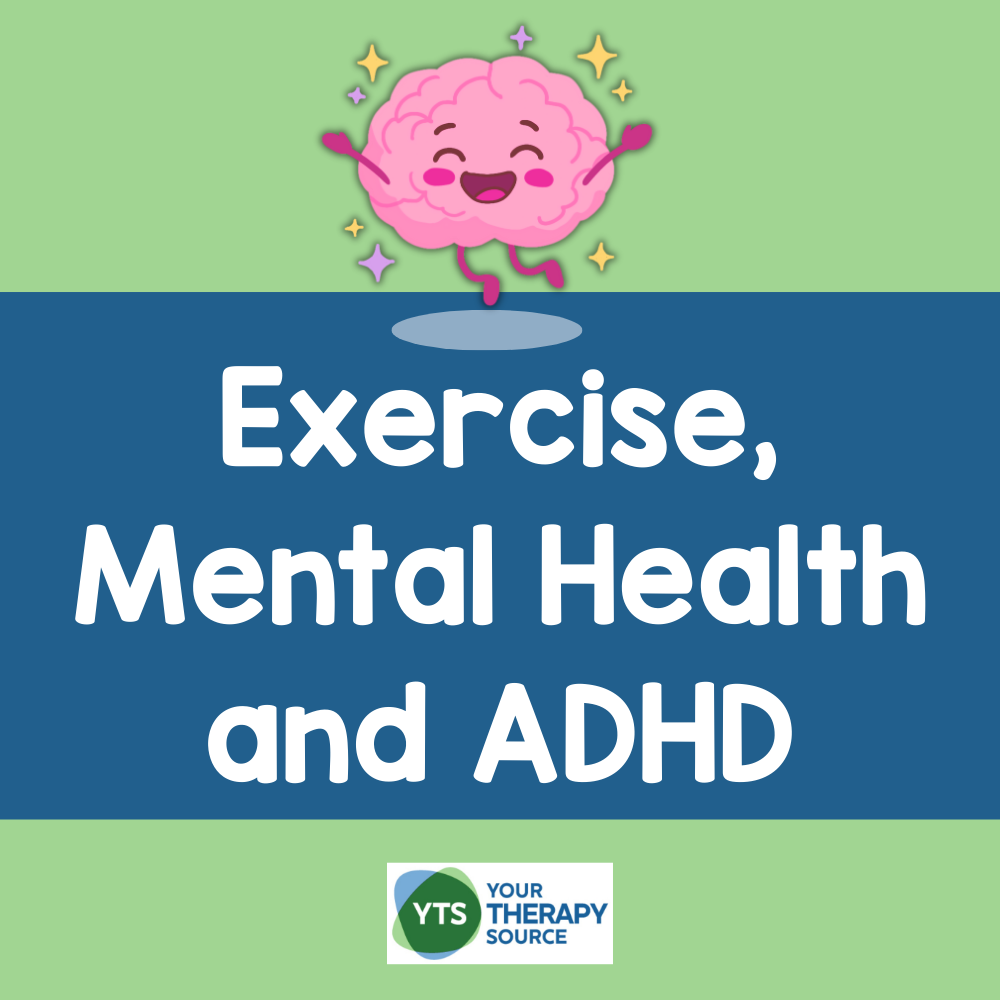
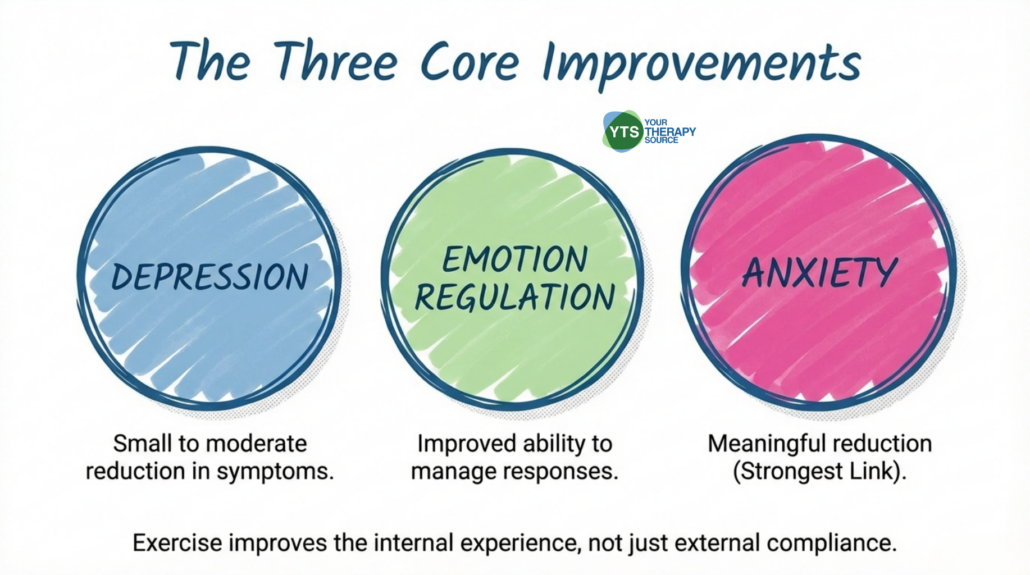
- Exercise was associated with reduced depressive symptoms, with a small to moderate effect size
- Exercise was linked to improved emotion regulation, suggesting movement may help students manage emotional responses more effectively
- Anxiety symptoms also showed meaningful reductions following exercise
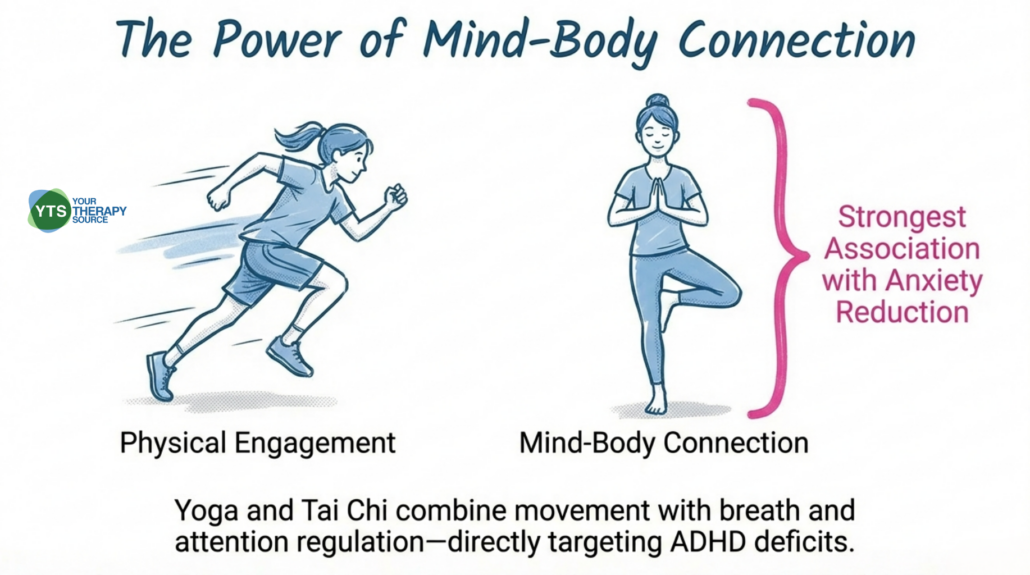
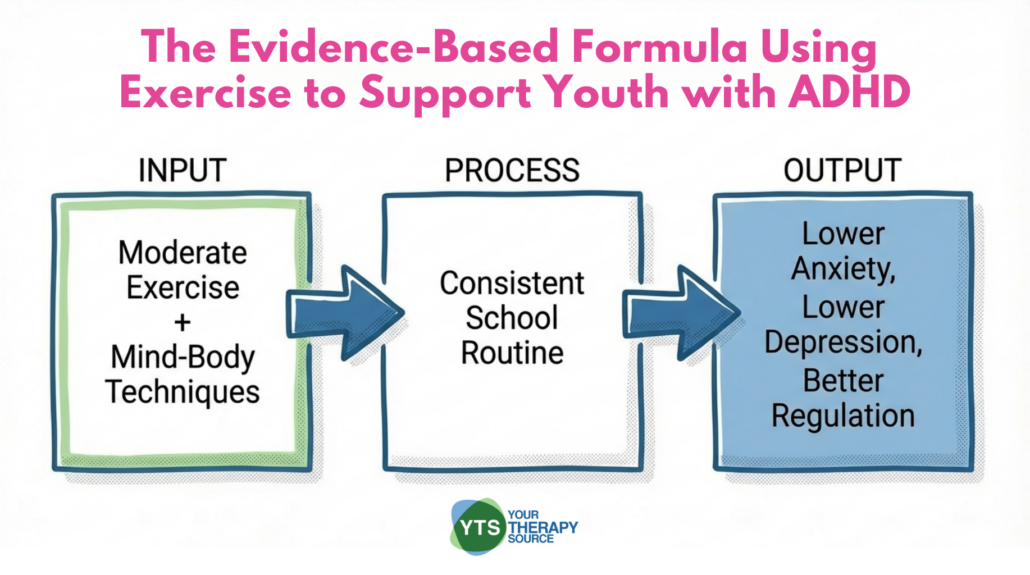
- Mind-body exercises such as yoga and tai chi showed the strongest associations with improvements in both depression and anxiety, with anxiety showing the largest effect size of any subgroup
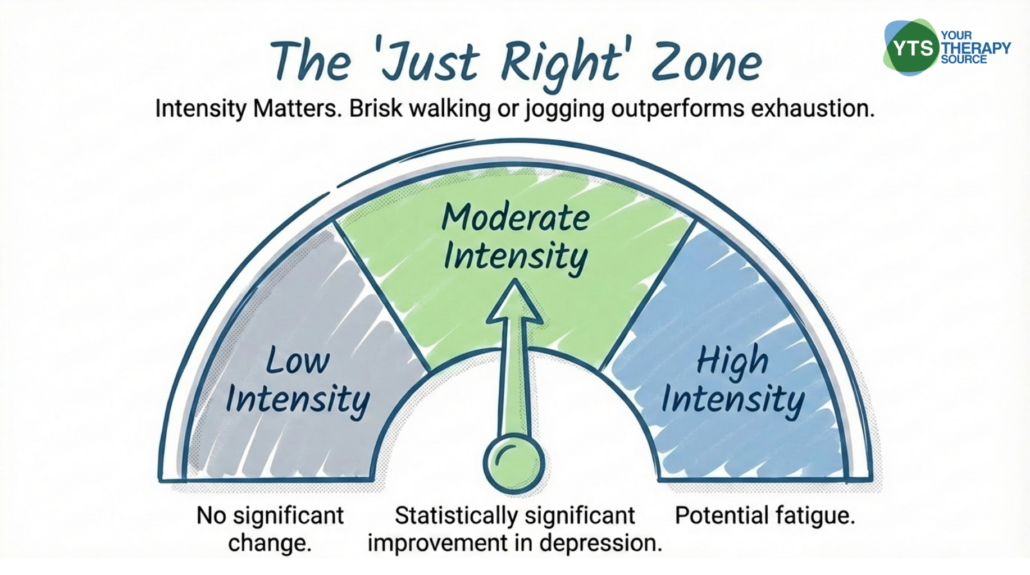
- Moderate-intensity exercise such as brisk walking or jogging was the only intensity level to show a statistically significant improvement in depressive symptoms. Low-intensity and high-intensity exercise did not produce the same result
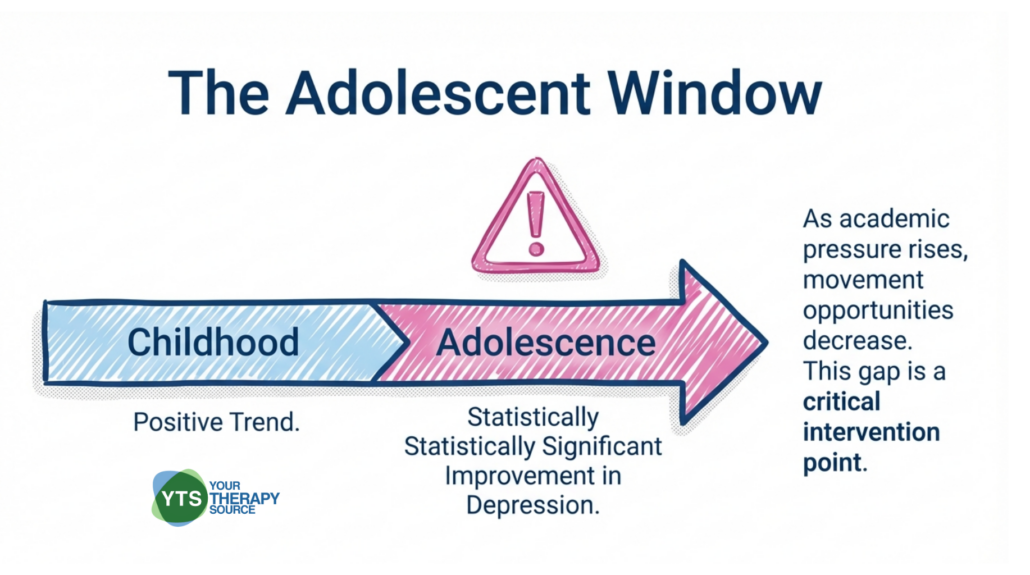
- Adolescents showed a statistically significant improvement in depression following exercise. The trend for younger children was positive but did not reach statistical significance
WHY THESE FINDINGS MATTER FOR SCHOOL-BASED PRACTICE
Many students with ADHD arrive at school already managing emotional weight that affects how they engage with learning and peers. Anxiety and depression are not uncommon in this population, and emotional dysregulation can show up in ways that are difficult to address through instruction alone.
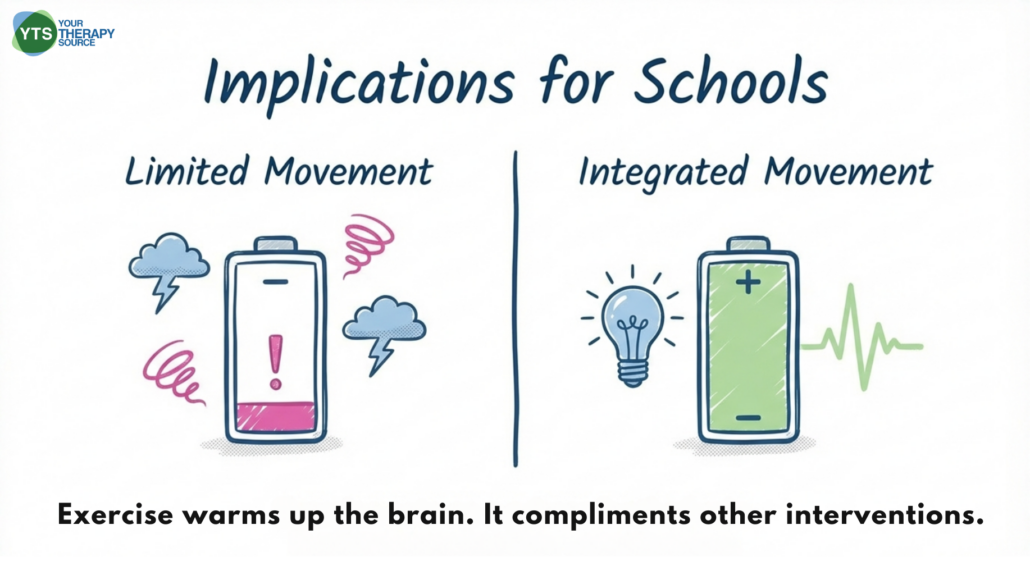
These findings suggest that movement is not just a behavioral tool or a break from academics. It may also play a meaningful role in supporting the emotional wellbeing of students with ADHD.
A few points stand out for school-based practice:
- Mind-body exercises like yoga incorporate focused breathing, present-moment awareness, and attention regulation, all of which align with the challenges students with ADHD often face. These are not passive activities. They actively engage the cognitive and regulatory systems that ADHD affects.
- The finding that moderate-intensity exercise outperformed both lower and higher-intensity activity suggests that the level of physical challenge may matter when planning movement opportunities
- Adolescents may be particularly responsive to exercise as a support for depressive symptoms. As students move through middle and high school, emotional demands often intensify while structured movement opportunities decrease
You can read more about how physical activity supports mental health across age groups in a related post.
IMPLICATIONS FOR SCHOOL STAFF
These findings support what many school-based professionals have observed: students with ADHD often do better emotionally when movement is part of their routine. The research adds a layer of evidence to those observations and gives teams a stronger foundation for advocating for structured physical activity in students’ school days.
School staff may notice that students with ADHD who have limited movement opportunities show:
- More emotional dysregulation
- More difficulty recovering from frustration
- Greater signs of anxiety or low mood
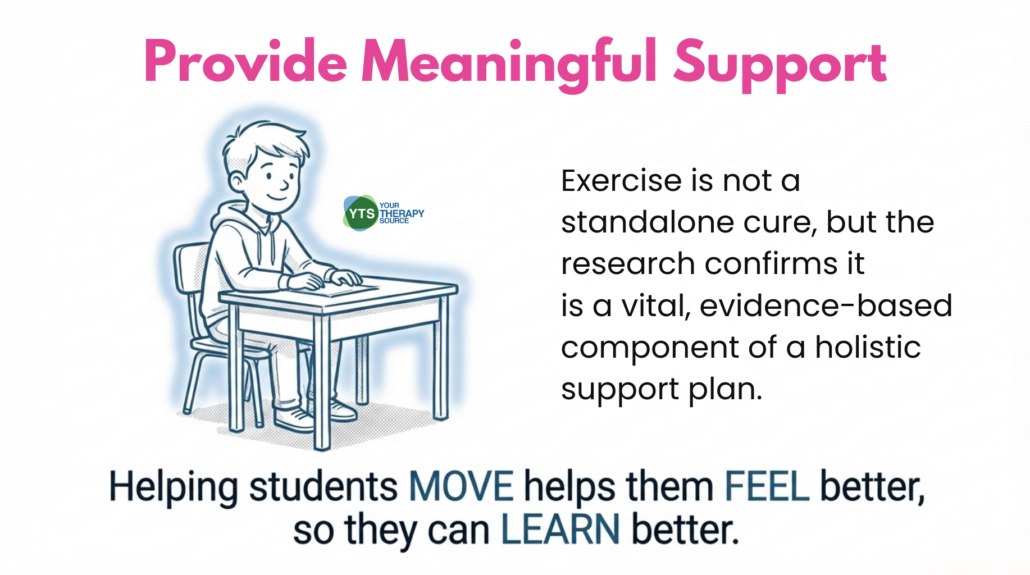
While exercise is not a treatment for depression or anxiety, it may serve as a meaningful support when integrated thoughtfully into a student’s overall plan. Occupational therapists and physical therapists can play a key role in helping teams understand how movement supports emotional regulation and in identifying the types and intensity of activity most likely to benefit individual students.
It is also important to recognize that exercise works best as one part of a broader, multi-modal approach. The research is clear that exercise should be viewed as complementary to, not a replacement for, other interventions that address ADHD and its co-occurring challenges. Understanding how exercise affects ADHD symptoms and executive functions can help school teams see the full picture of how movement supports student performance.

10 PRACTICAL STRATEGIES TO SUPPORT EXERCISE AND MENTAL HEALTH IN CHILDREN WITH ADHD
The following considerations are informed by the research and intended to support thoughtful, evidence-aligned practice. They are not prescriptive and should be adapted to meet the individual needs of each student.
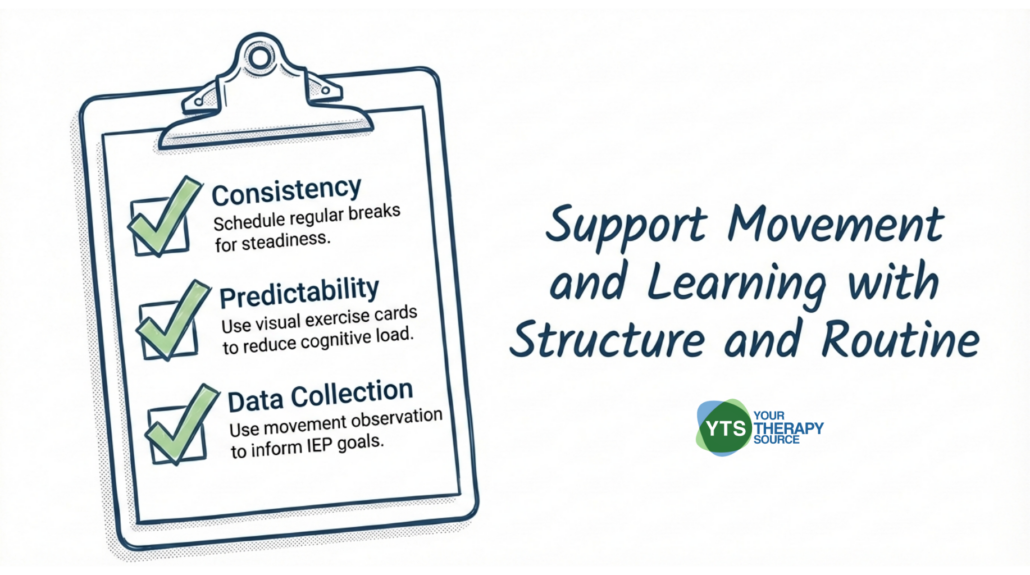
- Build consistent movement breaks into the school day for students with ADHD. Regular activity may support emotional steadiness over time, not just in the moment.
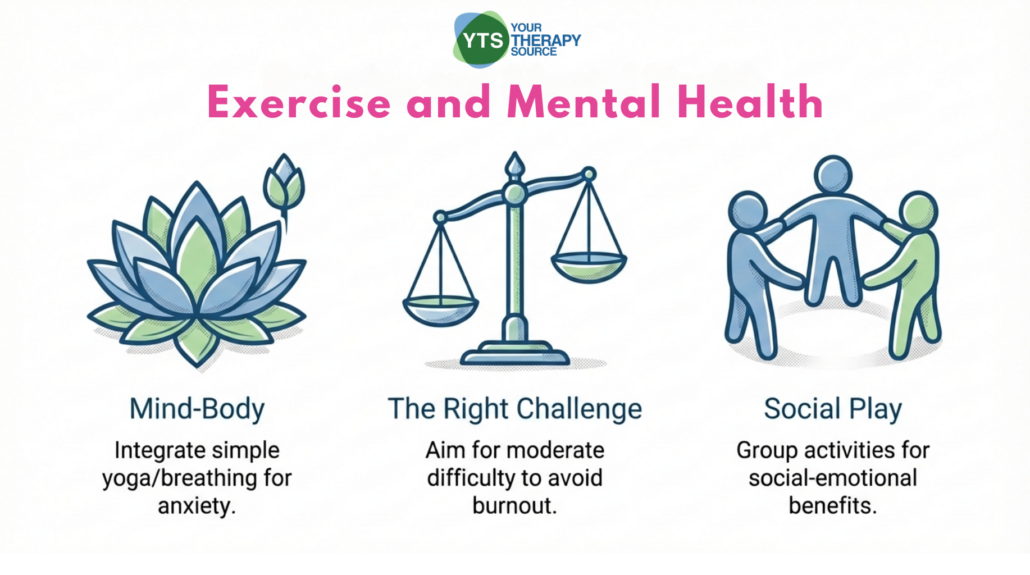
- Consider incorporating mind-body movement such as simple yoga poses or focused breathing, particularly for students who experience anxiety or frequent emotional dysregulation. These approaches combine physical engagement with attention and awareness in ways that align with ADHD-related challenges.
- Aim for movement that feels moderately challenging. Very high-intensity activity may be associated with fatigue or less favorable emotional experiences for some students, while very low-intensity movement may not produce the same emotional benefits.
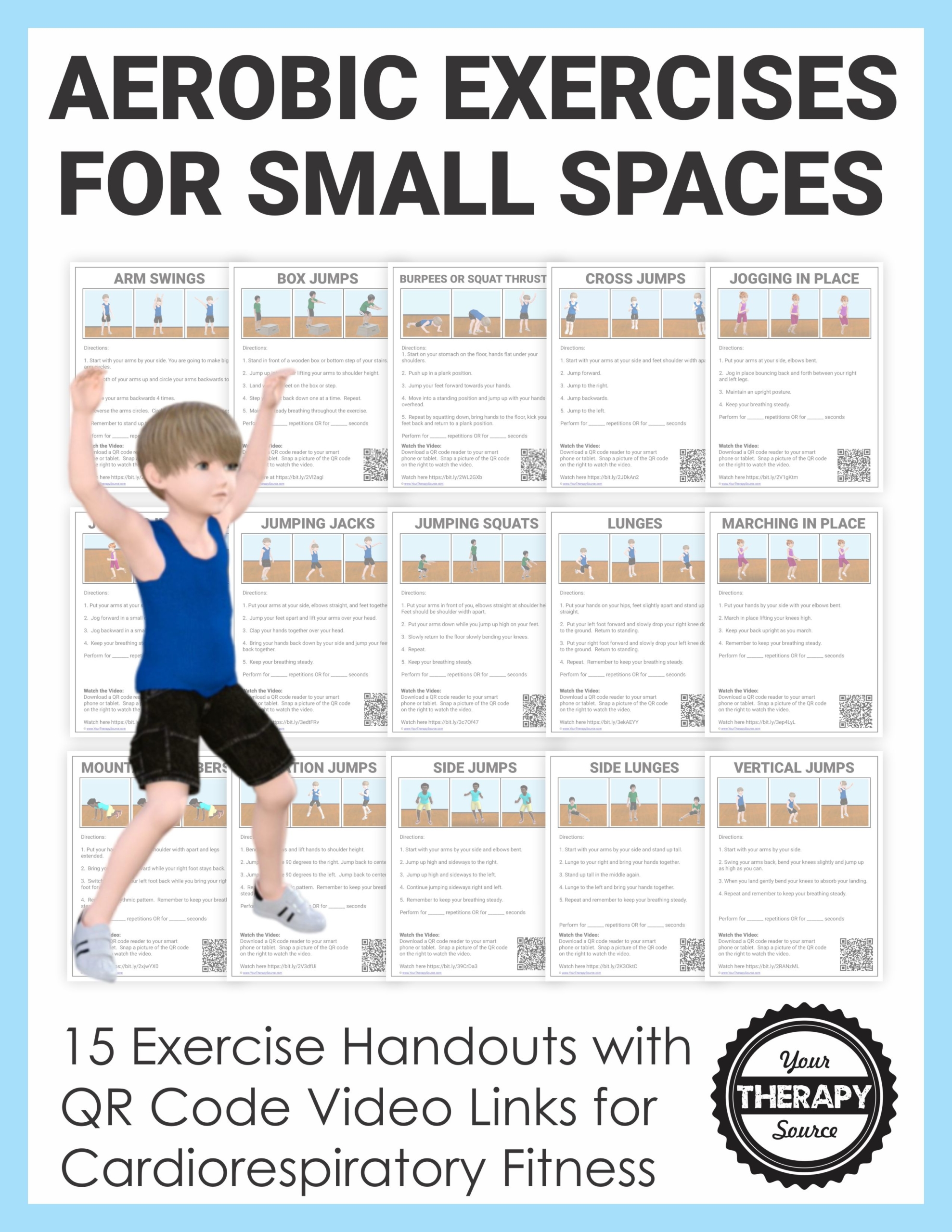
- Use printable exercise cards for kids to make movement activities visual, structured, and predictable. Students with ADHD tend to respond well to clear expectations and routines.
- Pay attention to how individual students respond emotionally after different types of physical activity. This information can help teams build more effective movement into daily schedules.
- Support adolescents with ADHD in maintaining access to physical activity within their school schedules. This age group may be particularly responsive to exercise as a support for depressive symptoms.
- Frame movement opportunities as skill-building and participation-supporting, not just behavioral management. This shift in framing helps teams recognize the broader value of movement for student wellbeing.
- Collaborate across disciplines. Occupational therapists, physical therapists, and teachers each bring different perspectives that can inform how movement is structured and monitored for individual students.
- When feasible, offer group-based movement activities. The research notes that team or group physical activity may offer added emotional benefits through positive social engagement.
- Use observations from movement activities to inform IEP goals and classroom support strategies. How a student engages with and recovers from physical activity can provide useful information about their self-regulation profile.
CONCLUSION
The evidence from this 2026 meta-analysis adds meaningful support to the role of exercise in the mental health of children and adolescents with ADHD. Movement appears to be associated with improvements in depression, anxiety, and emotion regulation. Mind-body exercises and moderate-intensity activity showed particularly strong patterns across the included studies.
These findings can help school-based professionals make more informed, evidence-aligned decisions when supporting students with ADHD. Exercise is not a standalone solution, but as part of a thoughtful, individualized approach, it holds real potential for improving how students with ADHD feel and function throughout their school day.
REFERENCE
Shenning, Z., Yaoqi, H., Wenying, S., & Xiangqin, S. (2026). The effect of exercise interventions on mental health in children and adolescents with attention-deficit/hyperactivity disorder: A meta-analysis. Frontiers in Psychology, 17, 1748777. https://doi.org/10.3389/fpsyg.2026.1748777