,

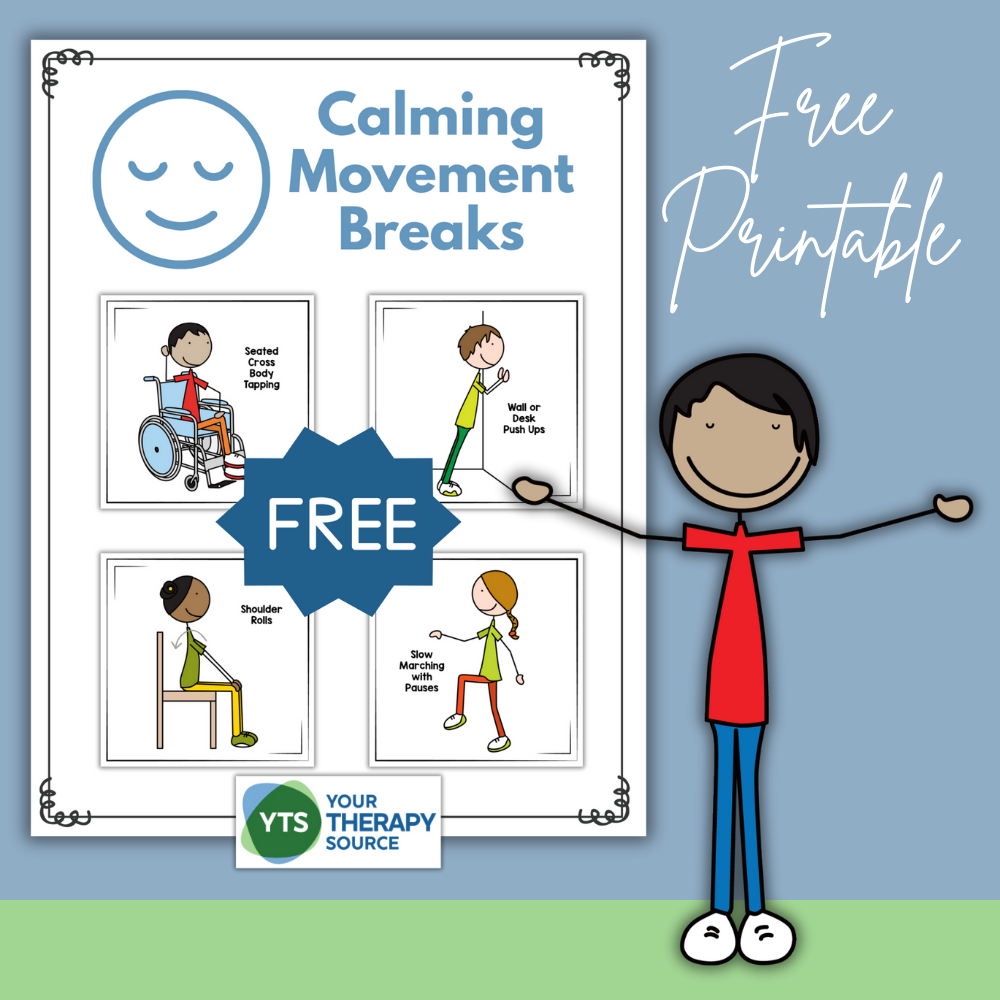
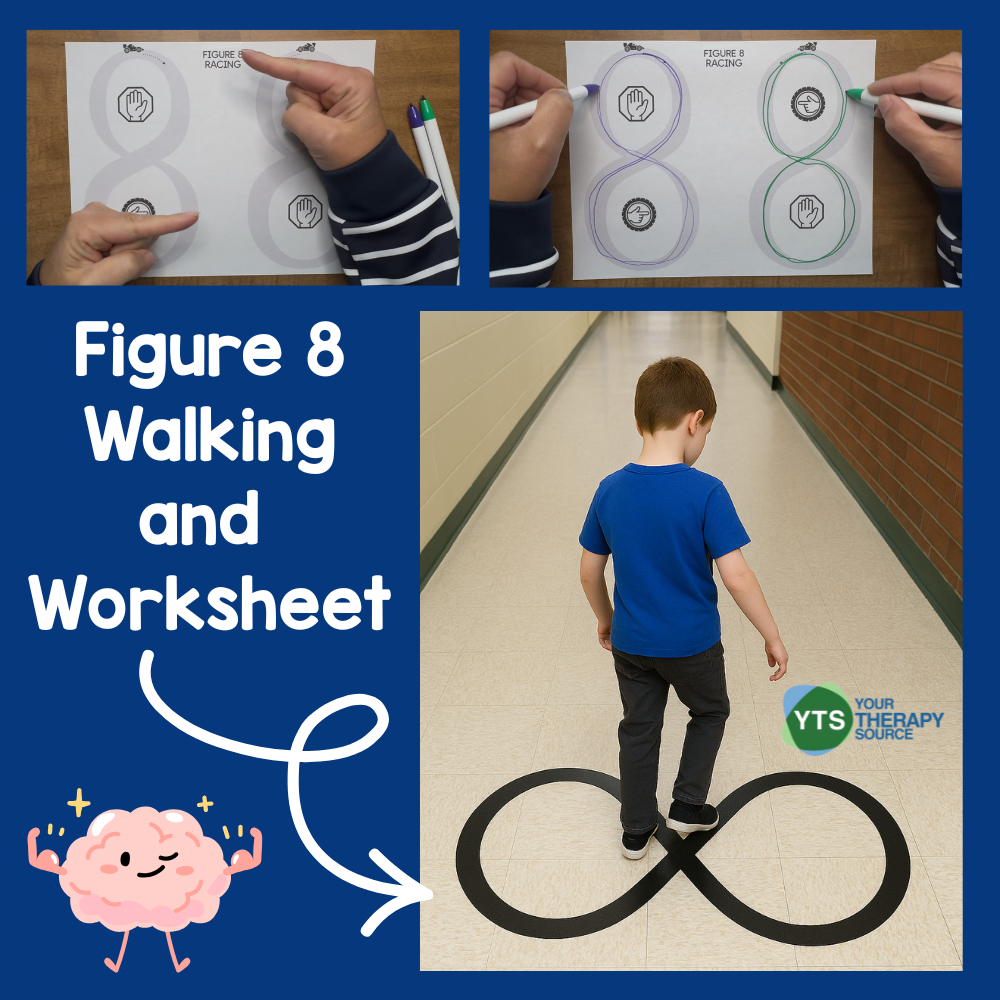
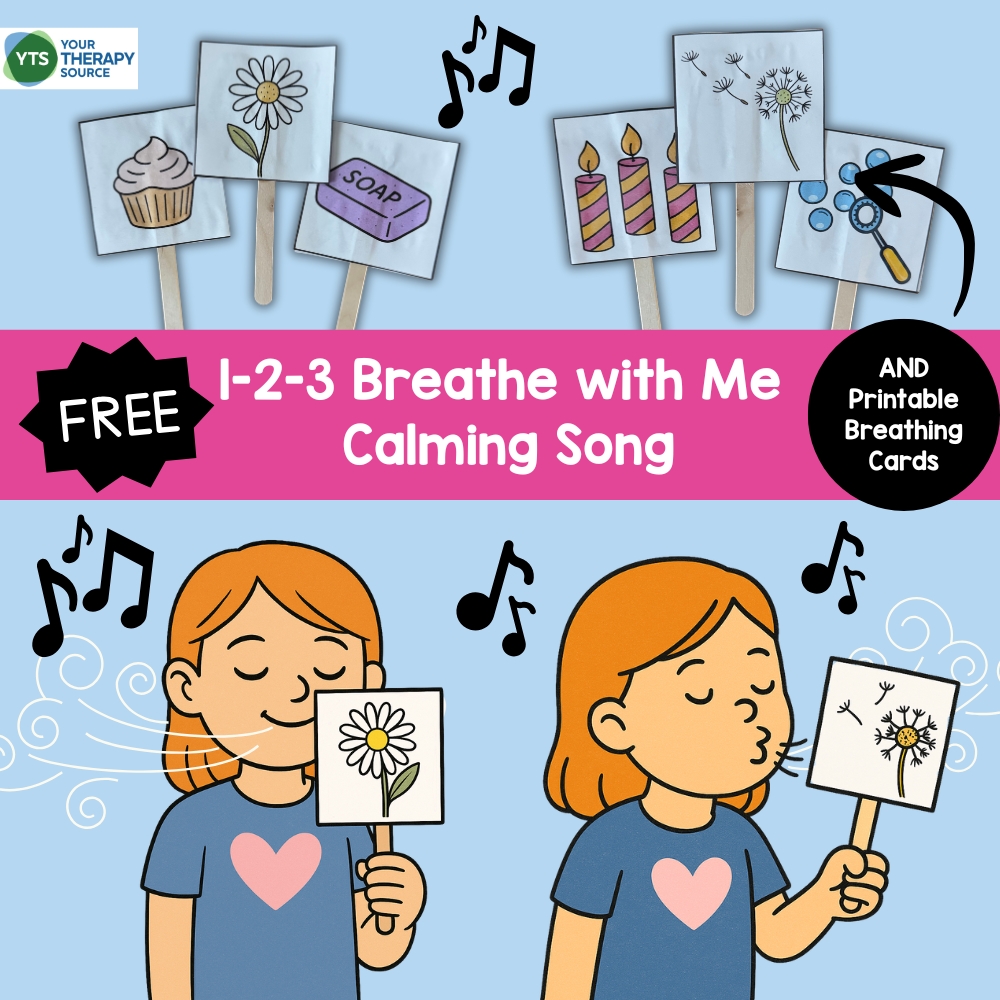
Calming Movements – Quick Brain Breaks (No Deep Breaths Needed!)

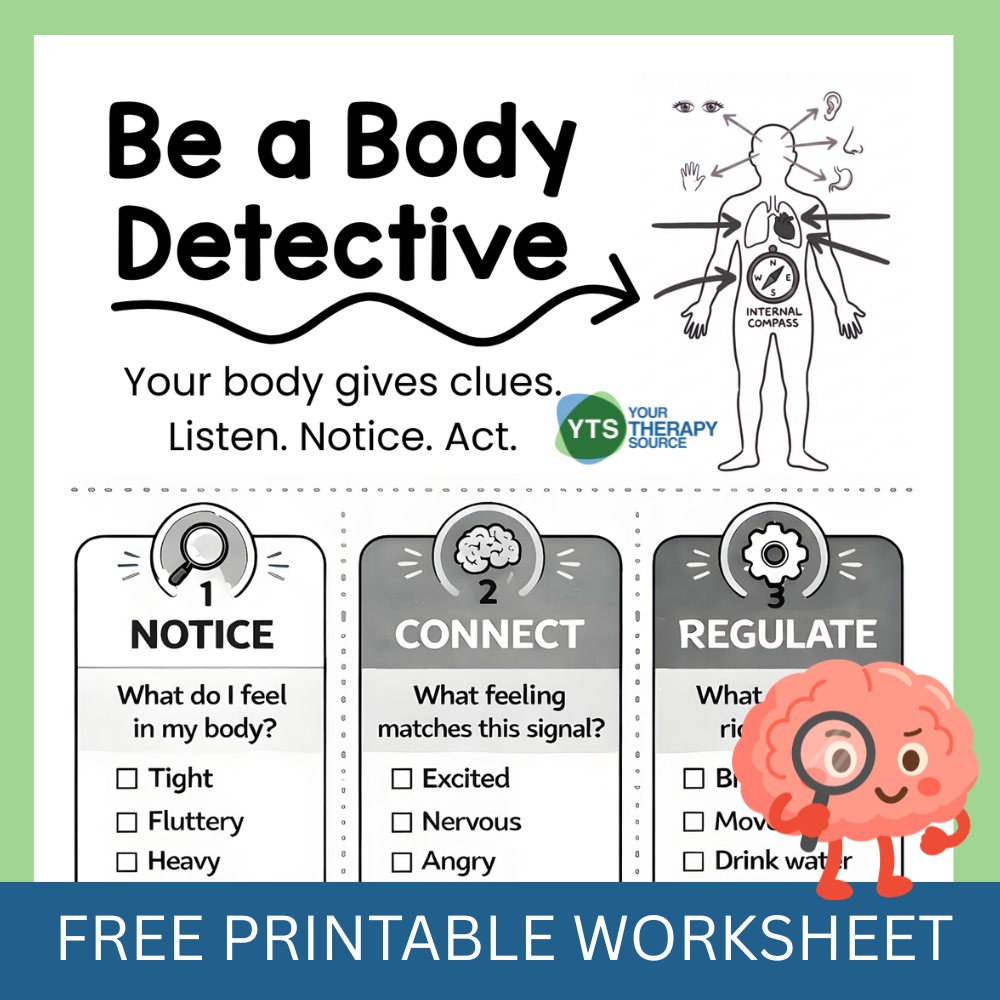
Classrooms place constant demands on students’ attention, self-control, and emotional regulation. Students are expected to sit, listen, process information, manage sensory input, and shift between tasks throughout the day. When regulation breaks down, common strategies often focus on verbal reminders, breathing exercises, or asking students to “calm down.” These calming movements offer an easy way […]

, ,

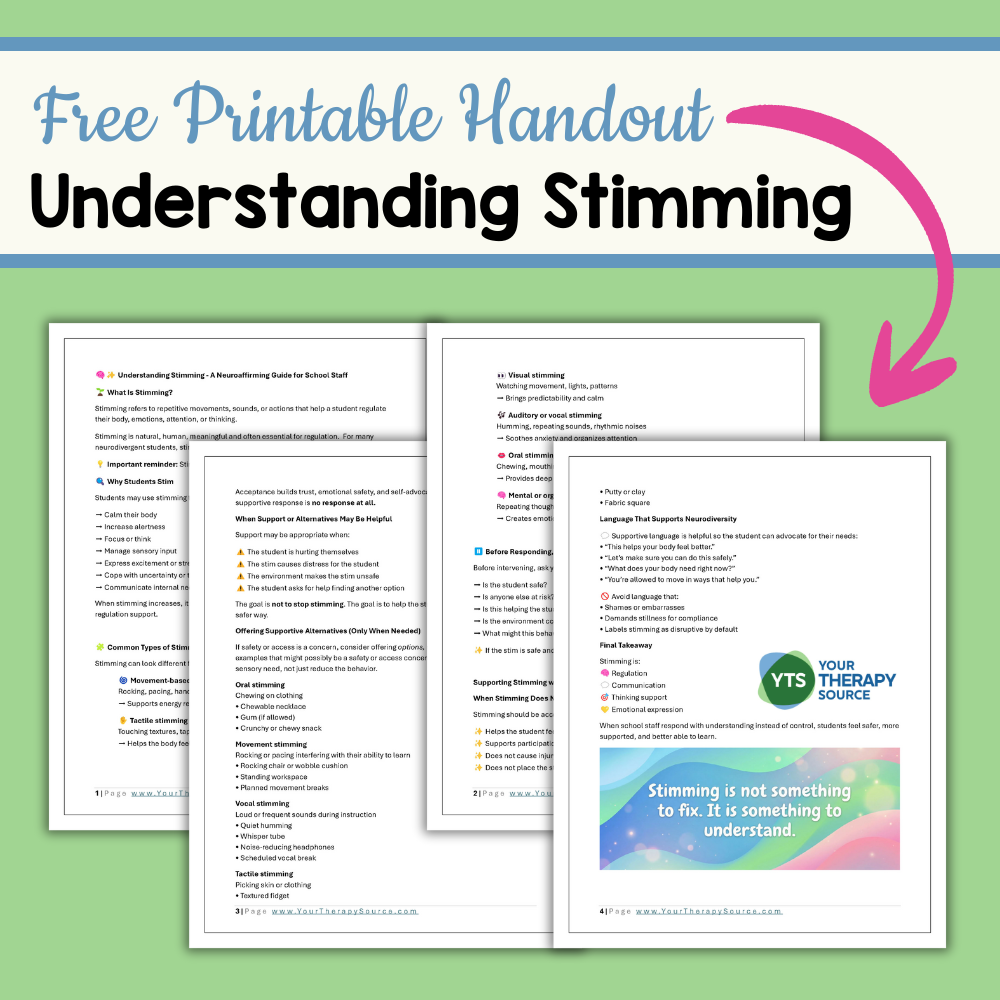
Sharing Information on Stimming Behaviors – Free Handout

Stimming behaviors are a natural and meaningful way many children regulate their bodies, emotions, attention, and thinking. While stimming is often misunderstood in school and community settings, a neuroaffirming perspective helps shift the focus from stopping behaviors to understanding what students need to feel safe, supported, and ready to learn. To support educators, therapists, and […]

, ,

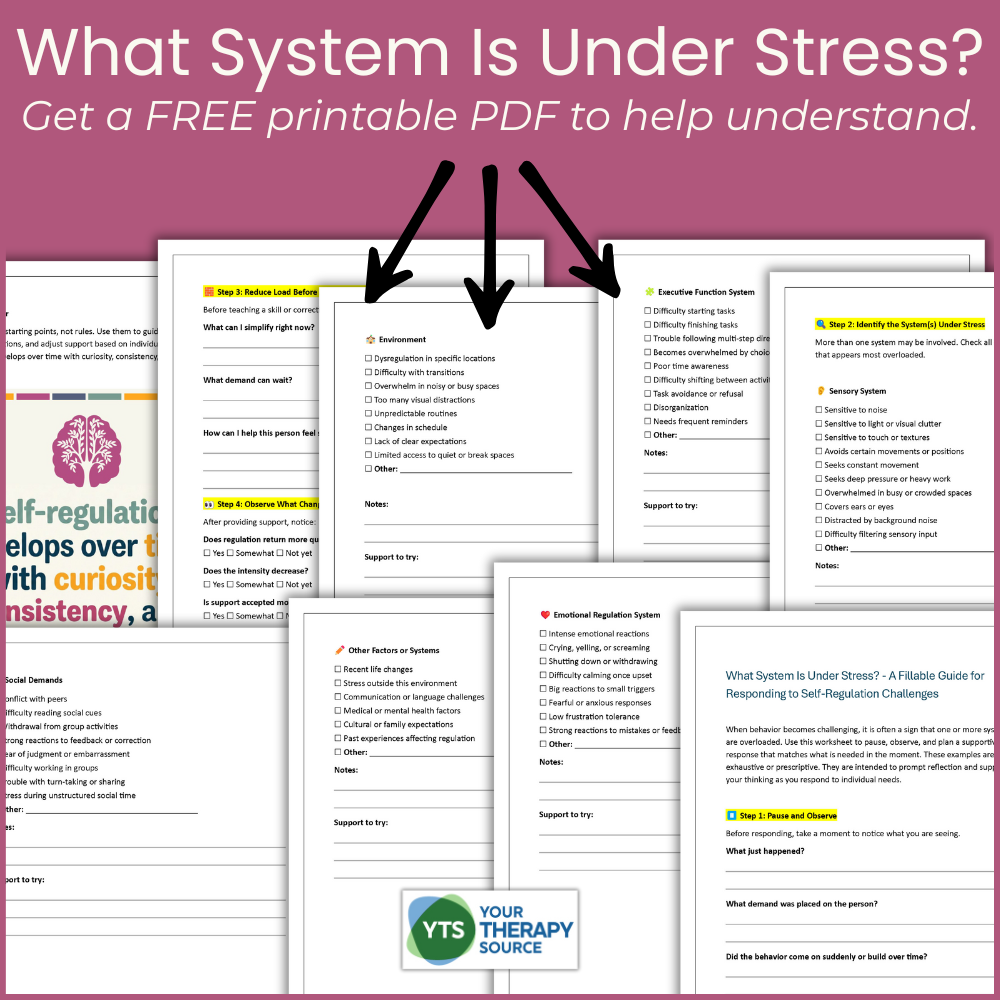
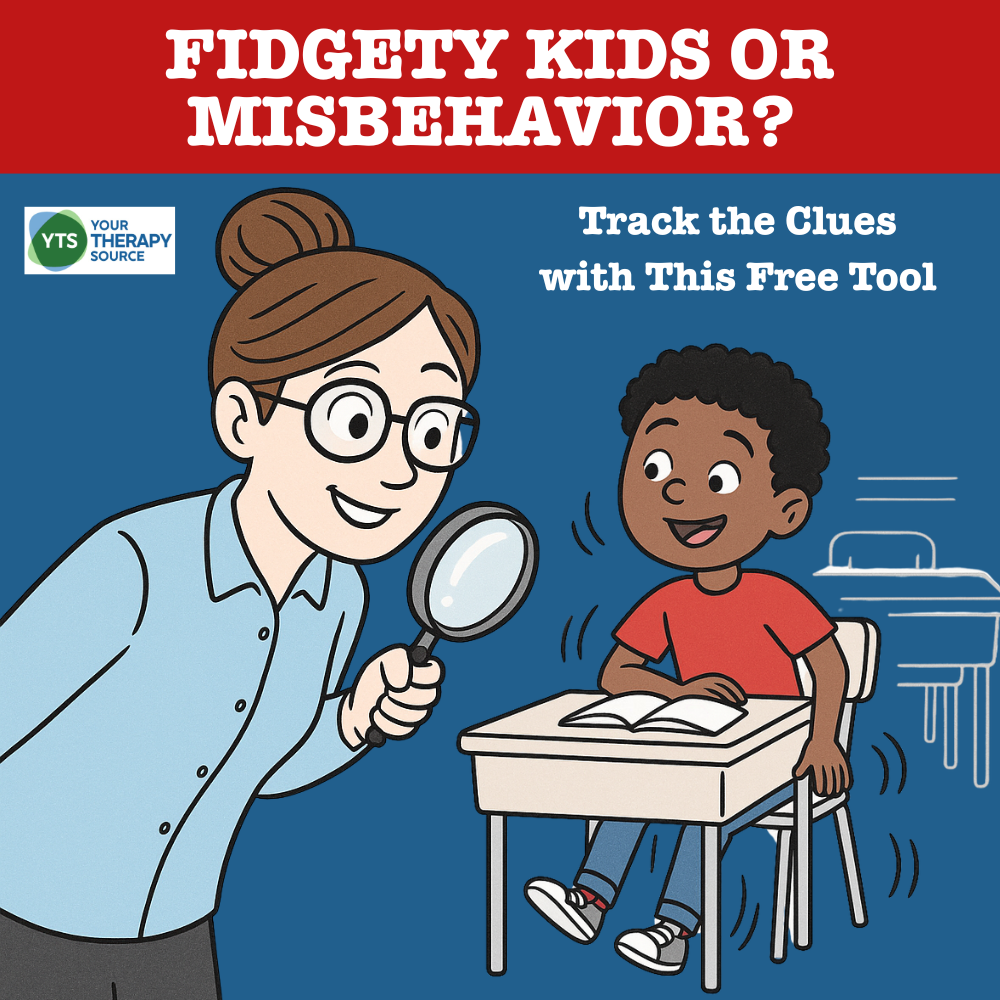
What System Is Under Stress? A Simple Way to Understand Challenging Behavior

When behavior feels challenging, overwhelming, or confusing, it is tempting to focus on stopping it as quickly as possible. However, behavior is rarely the problem itself. More often, it is a signal that something beneath the surface is not working as smoothly as it could. Understanding what system is under stress is often the key […]

,

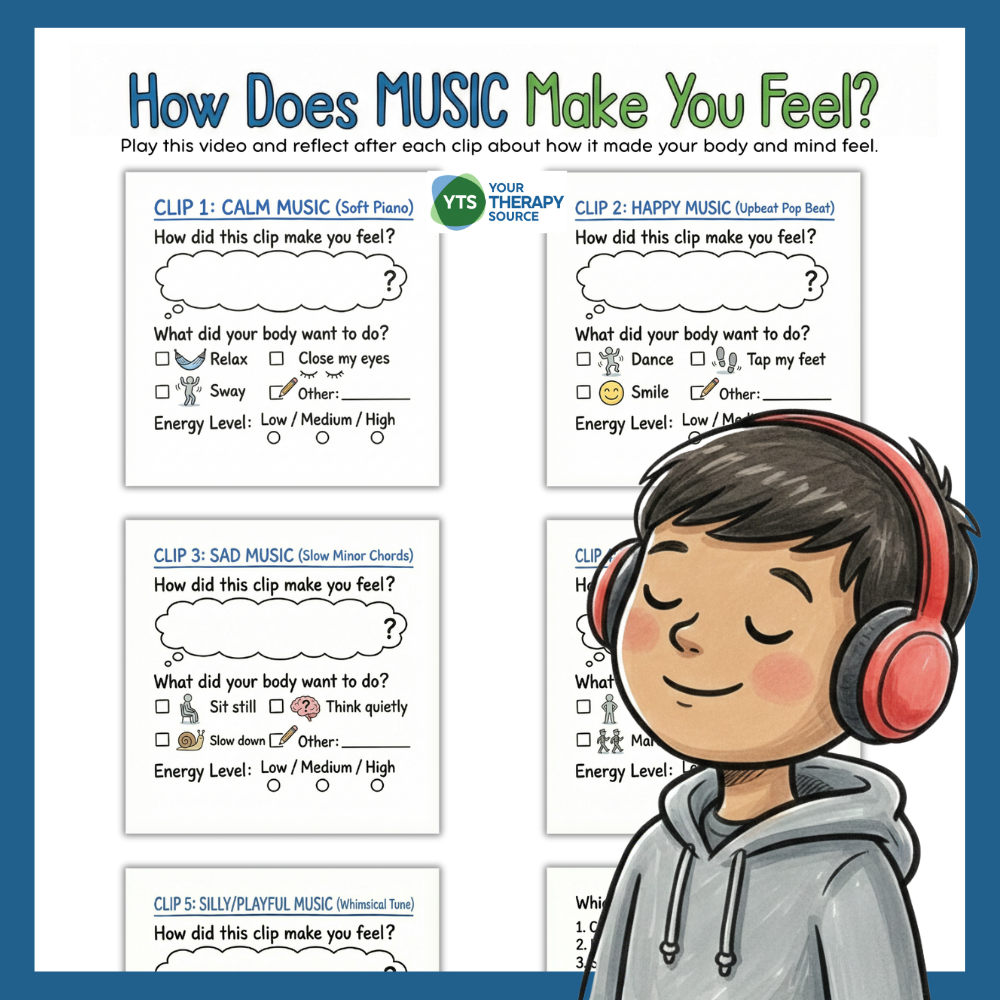
Music and Emotions Activity Free Printable and Video Lesson

Helping children explore the connection between music and emotions is a powerful way to build self-awareness, self-regulation, and emotional intelligence. This free activity is an easy, engaging lesson you can use in the classroom, therapy sessions, counseling groups, or at home. Best of all, you can download a FREE printable reflection worksheet and pair it […]

, ,

The Connection Between Sensory Processing and Self-Regulation

When we think about self-regulation, we often picture a child’s ability to manage emotions, behavior, and attention. But there’s an important piece of the puzzle we can’t ignore: sensory processing. The way a child takes in, organizes, and responds to sensory information can influence how calm, focused, and flexible they are throughout the day. If […]