20 Ways to Teach Emotional Intelligence

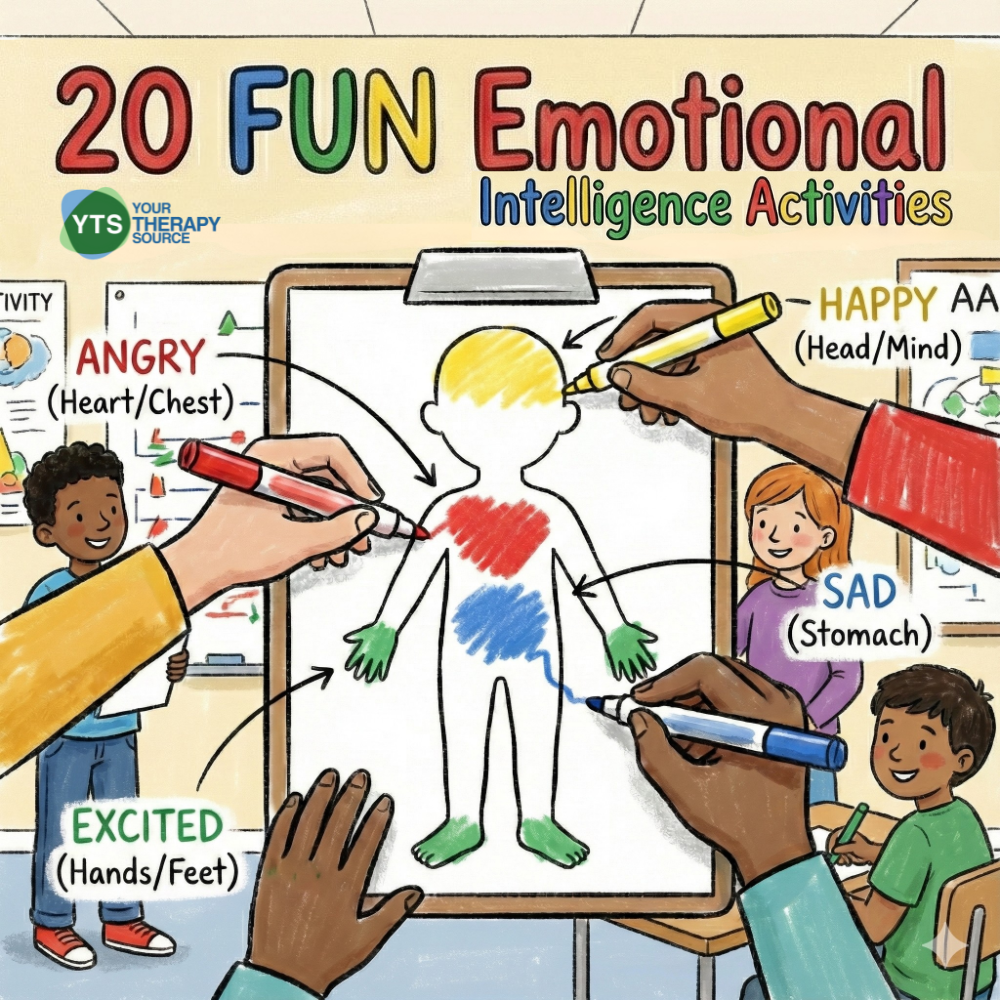
Supporting children’s emotional intelligence helps them understand their feelings, build empathy, develop self-control, and navigate social situations successfully. The 20 ways to teach emotional intelligence make it easy, fun, and meaningful for kids at school, in therapy sessions, or at home. Read below or watch the video. Don’t forget to check out the complete Fun […]

,

Music and Emotions Activity Free Printable and Video Lesson

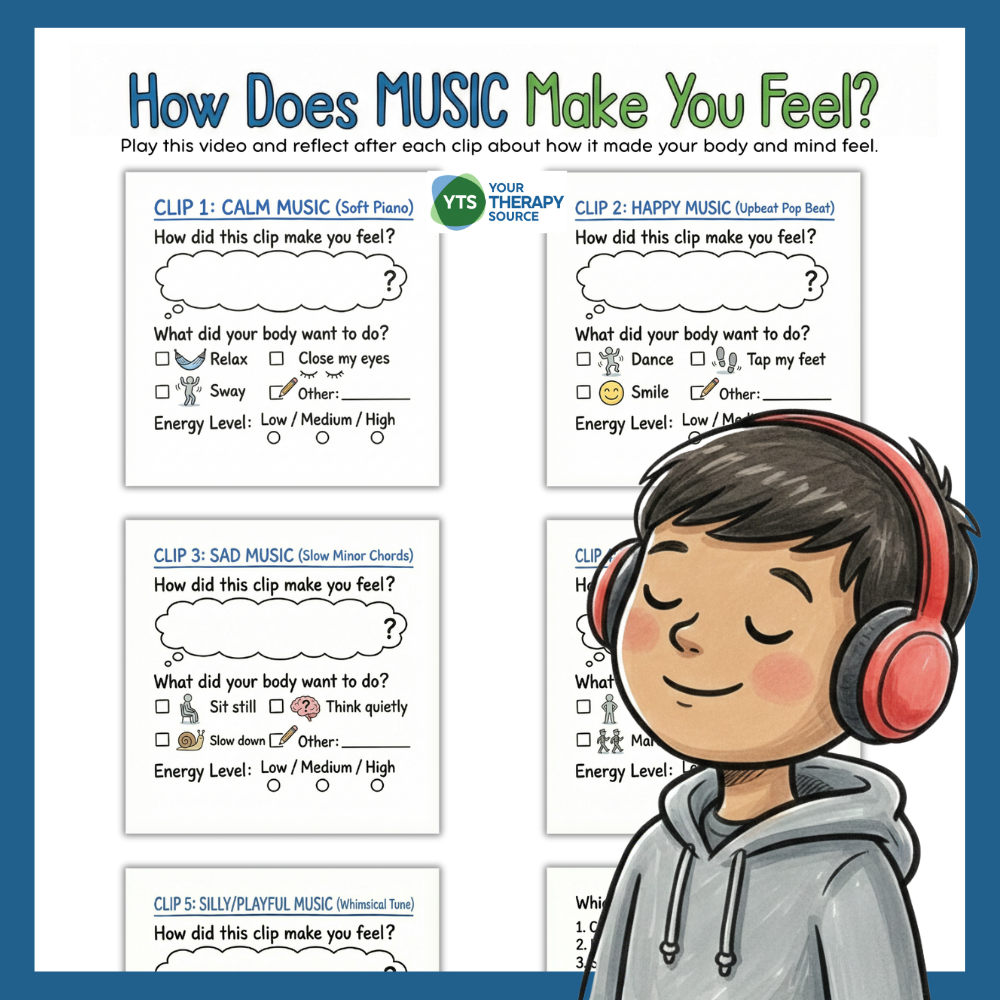
Helping children explore the connection between music and emotions is a powerful way to build self-awareness, self-regulation, and emotional intelligence. This free activity is an easy, engaging lesson you can use in the classroom, therapy sessions, counseling groups, or at home. Best of all, you can download a FREE printable reflection worksheet and pair it […]

,

How Self-Talk Can Help Students Regulate Emotions and Stay on Track

Affirmations are everywhere in education right now: posters, sticky notes on desks, locker mirrors, and classroom doors. For students, those simple phrases like “I can handle this,” “I’m still learning,” or “I can calm my body” aren’t just feel-good slogans. They are one small piece of a much bigger system: how children use language with […]

,

Understanding the Emotional Intelligence Brain: How the Amygdala Shapes Student Behavior

When students seem to “snap,” shut down, or lose control, it is easy to assume they are being defiant or disrespectful. In reality, many of these reactions come from automatic processes inside the emotional intelligence brain, the system that helps us identify emotions, read social cues, and regulate behavior. At the center of this system […]

Little Kids, Big Feelings, Smart Strategies

Young learners, especially those with developmental delays or disabilities, often experience more challenges with expressing emotions in safe, healthy ways. Difficulties with executive functioning, communication, or inhibitory control can make it harder for them to recognize emotions, choose appropriate strategies, and advocate for their needs. Without explicit instruction, children may rely on behaviors such as […]

,

Interoception and Emotional Regulation in Children

Interoception is often called the “eighth sense.” It helps us notice what’s happening inside our bodies—like when we feel hungry, nervous, tired, or excited. For children, learning to understand these body signals is a key part of building emotional balance and staying focused during everyday tasks. A recent research study looked closely at interoception and […]

,

Feelings Worksheet PDF: A Free Resource for Emotional Reflection

Managing emotions is a key skill for students to learn self-regulation and confidence. The Feelings Worksheet PDF is designed to help students explore their emotions, reflect on their responses, and discover strategies for staying calm and strong. This interactive, quiz-style worksheet is both engaging and easy to use, making it an excellent tool for classrooms, […]

,

Home-Based Interventions to Build Social-Emotional Skills and Manage Challenging Behavior in Young Children

Young children with developmental delays or disabilities often struggle with social-emotional skills and managing challenging behaviors, such as aggression, tantrums, and self-injury. Research shows these difficulties, if untreated, can lead to poor long-term outcomes, including lower academic performance, social exclusion, and increased caregiver stress. However, home-based interventions to build social-emotional skills, which involve training caregivers […]